For Women,  Knitting Projects,  Sweaters, Jumpers & Pullovers

Top-Down Raglan Sweater “Kuzhil” in Mohair and Merino
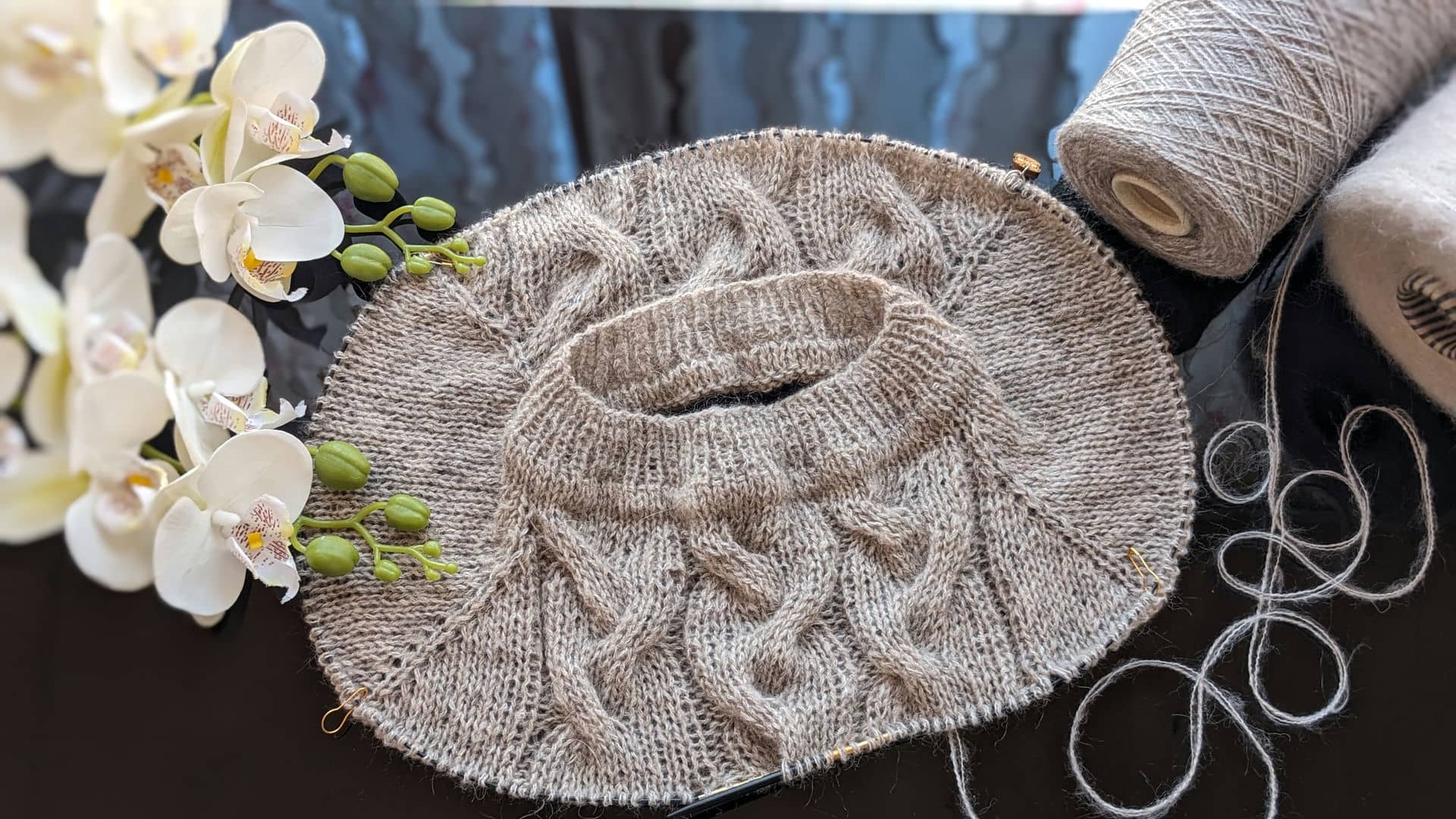
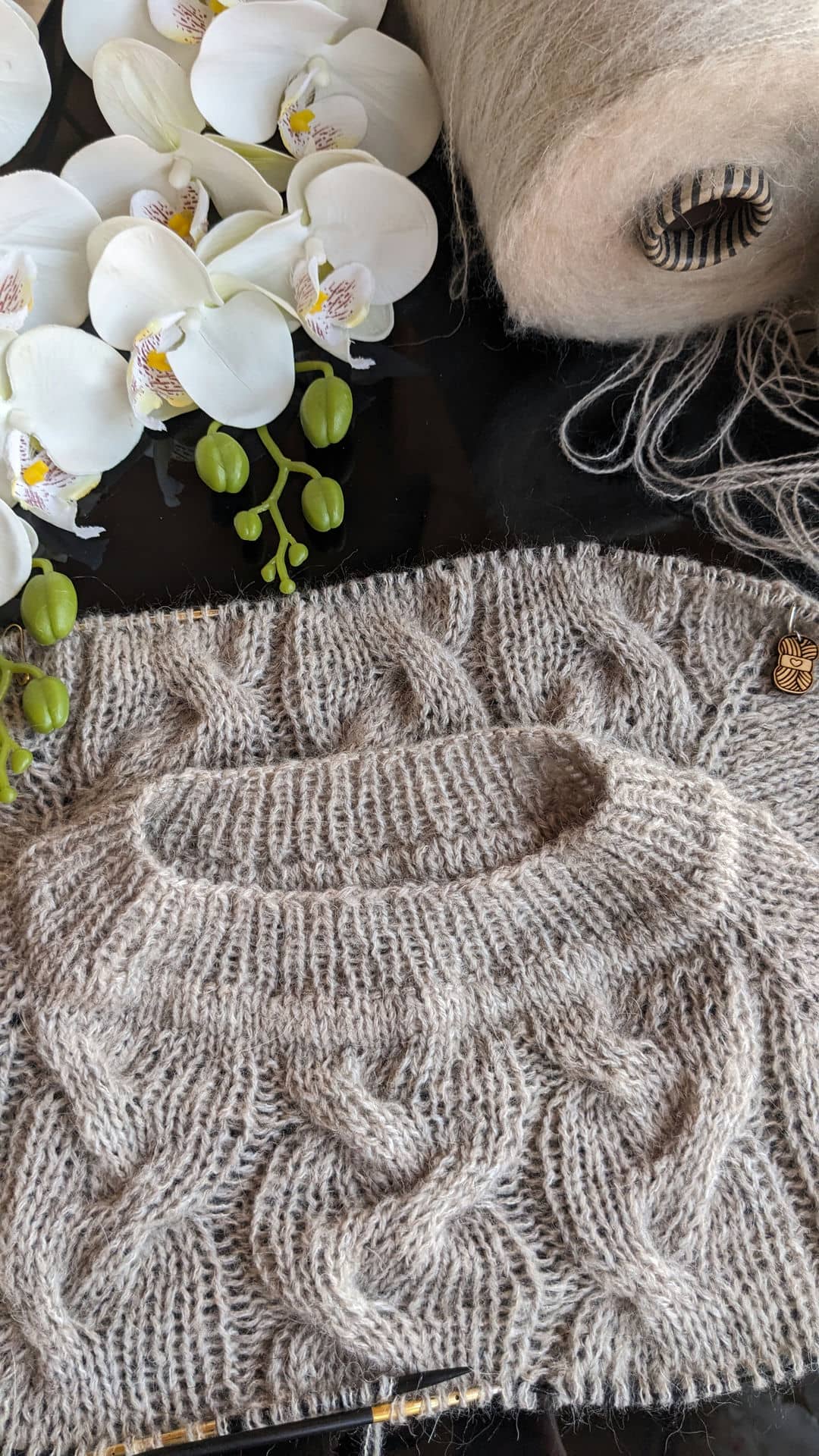
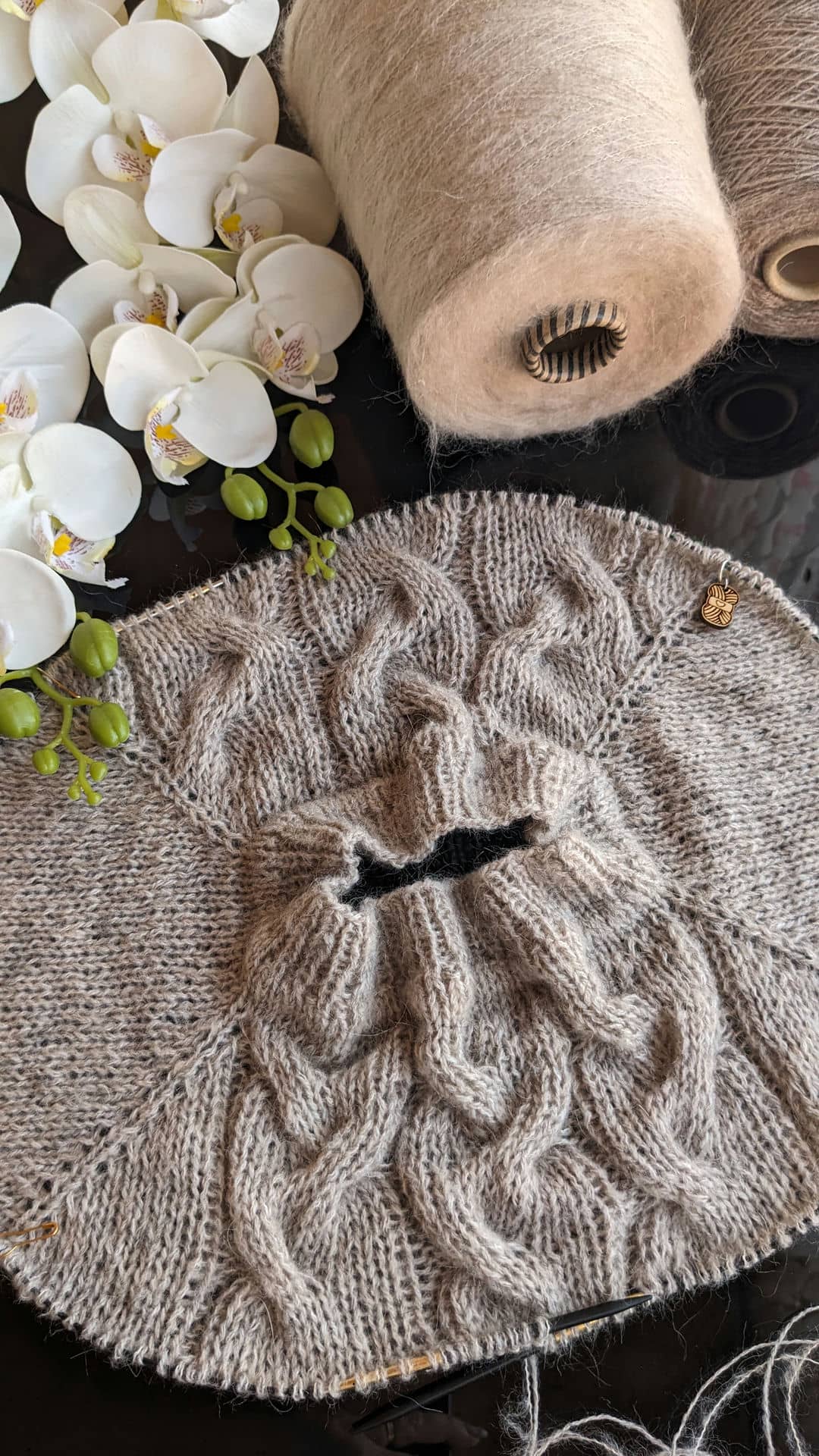
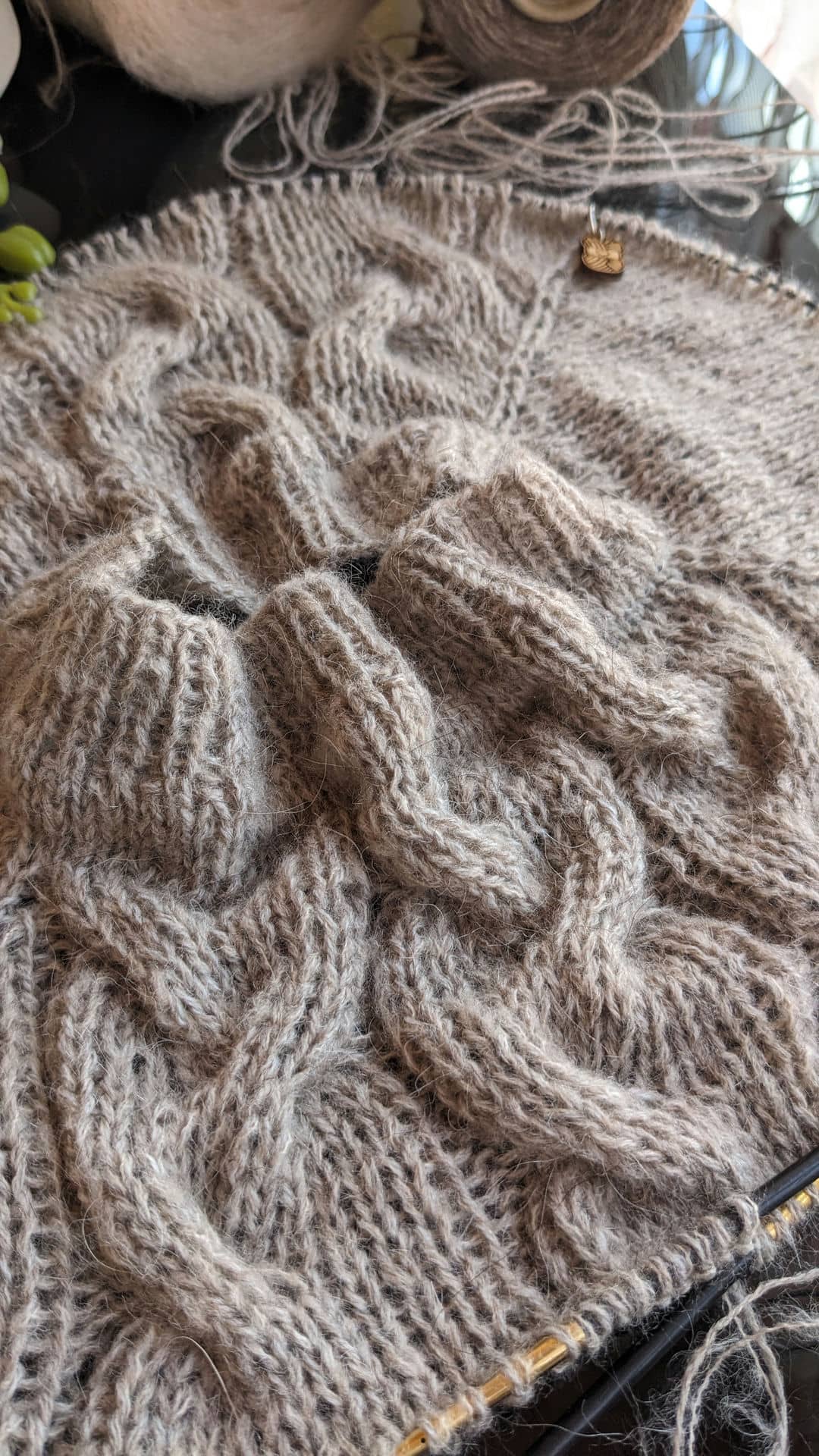
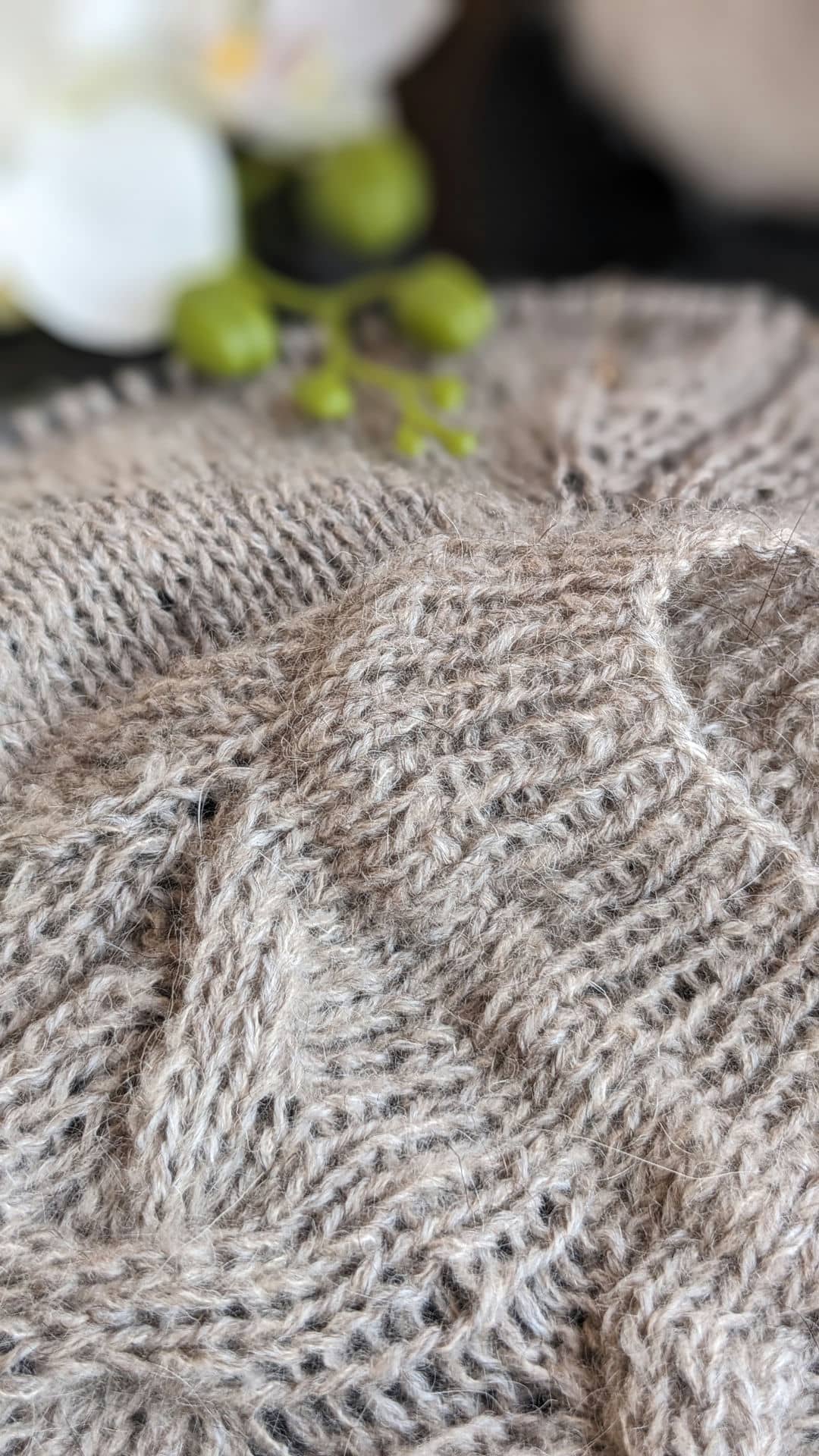
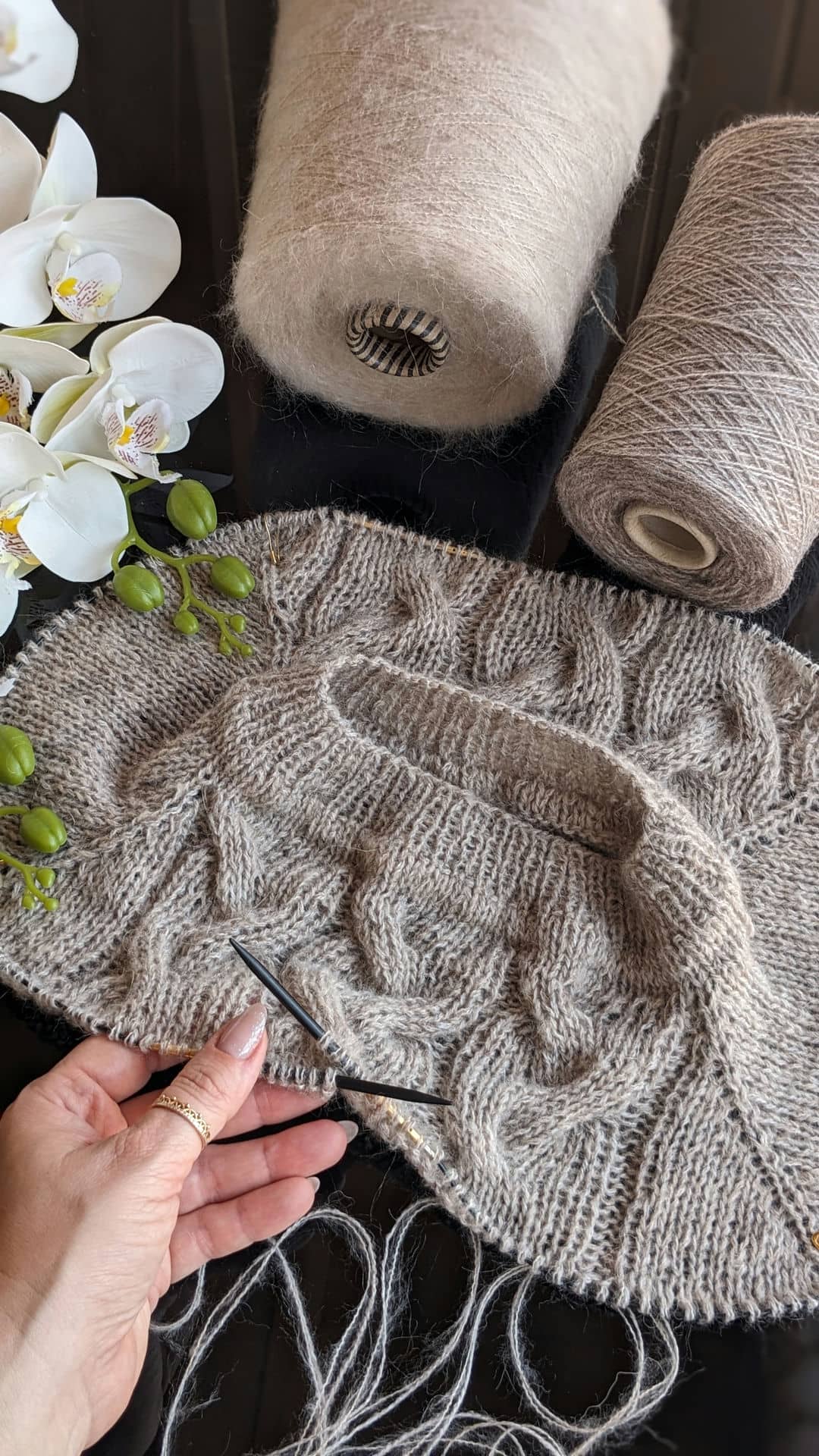
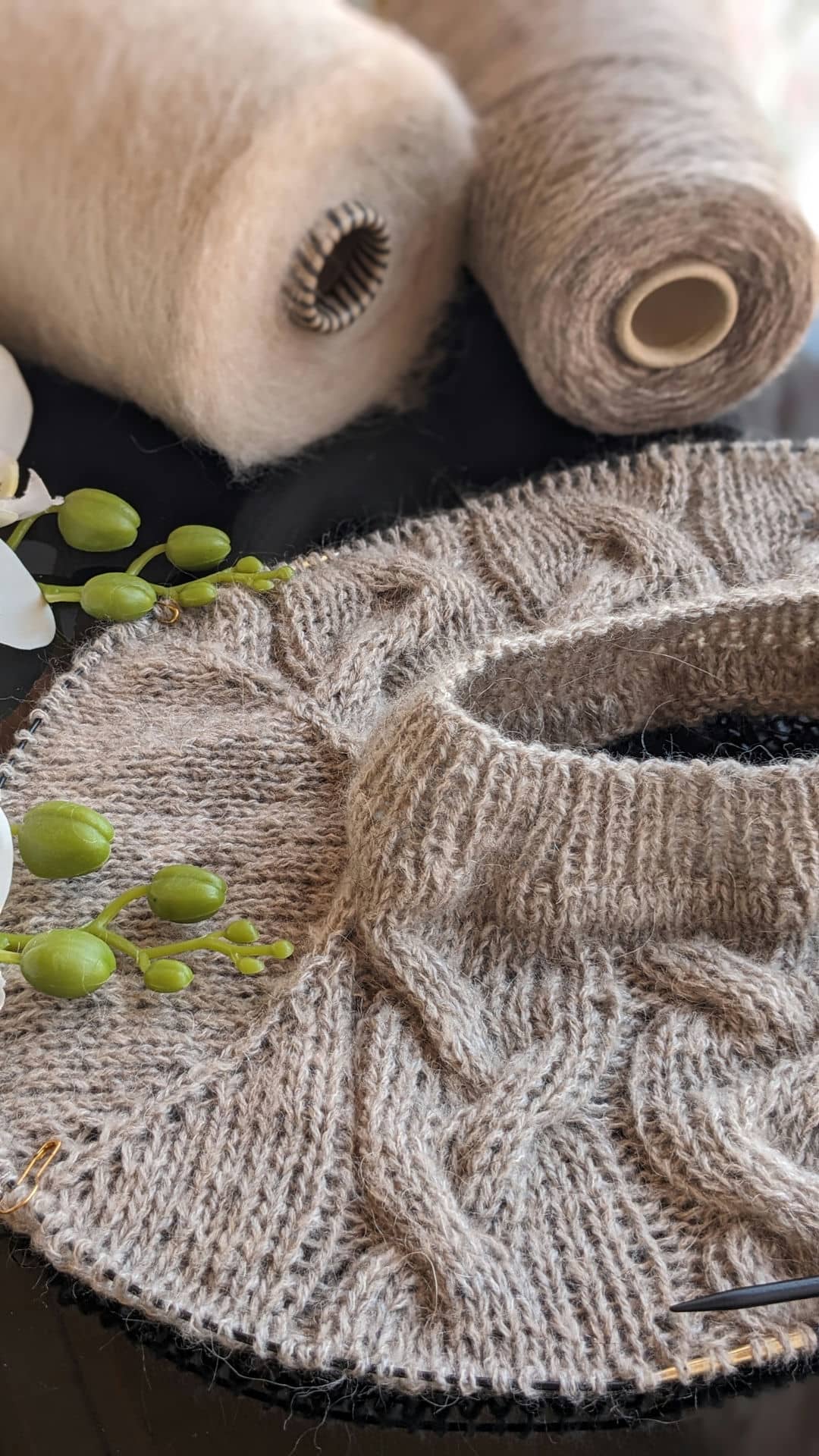
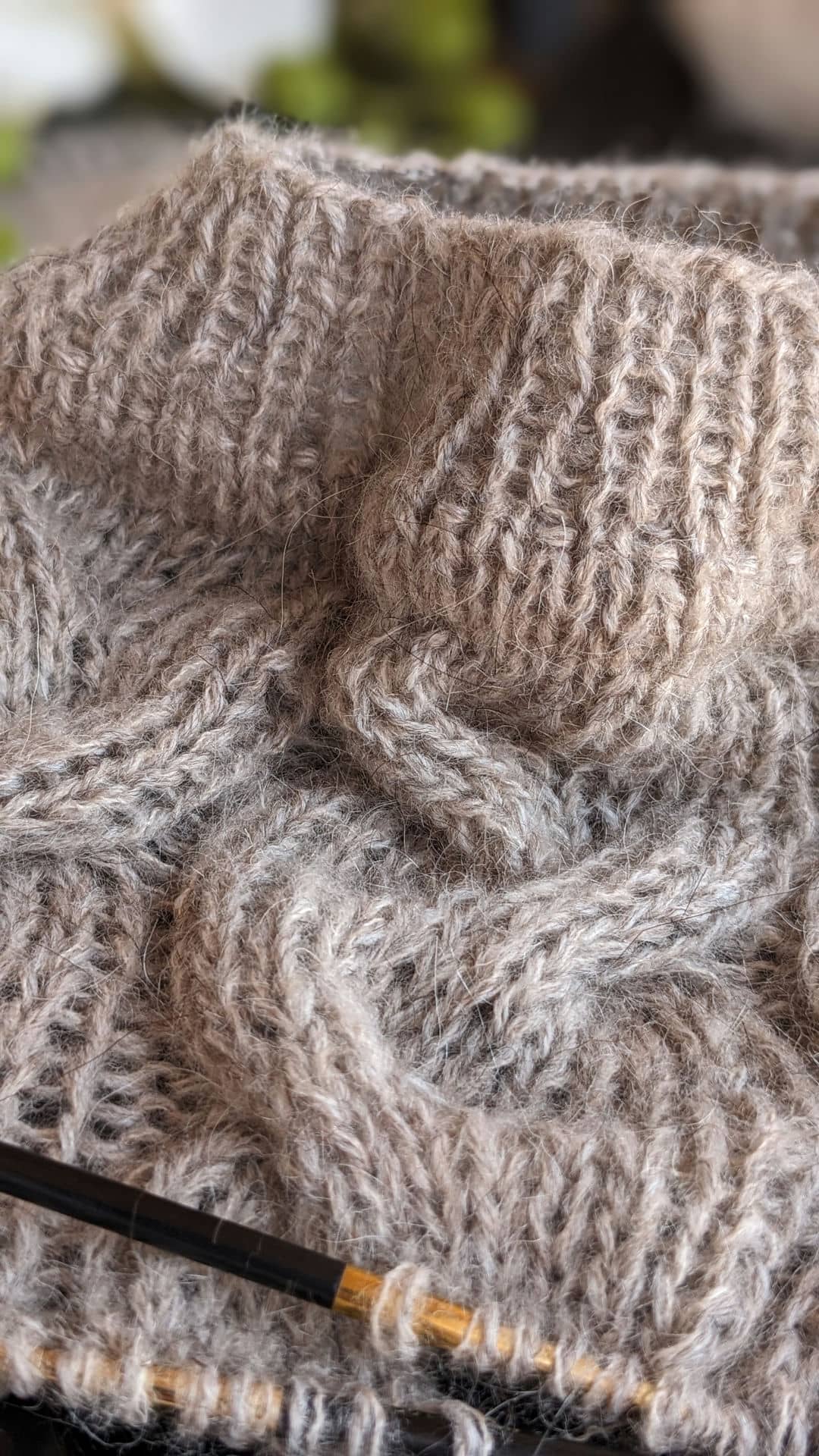
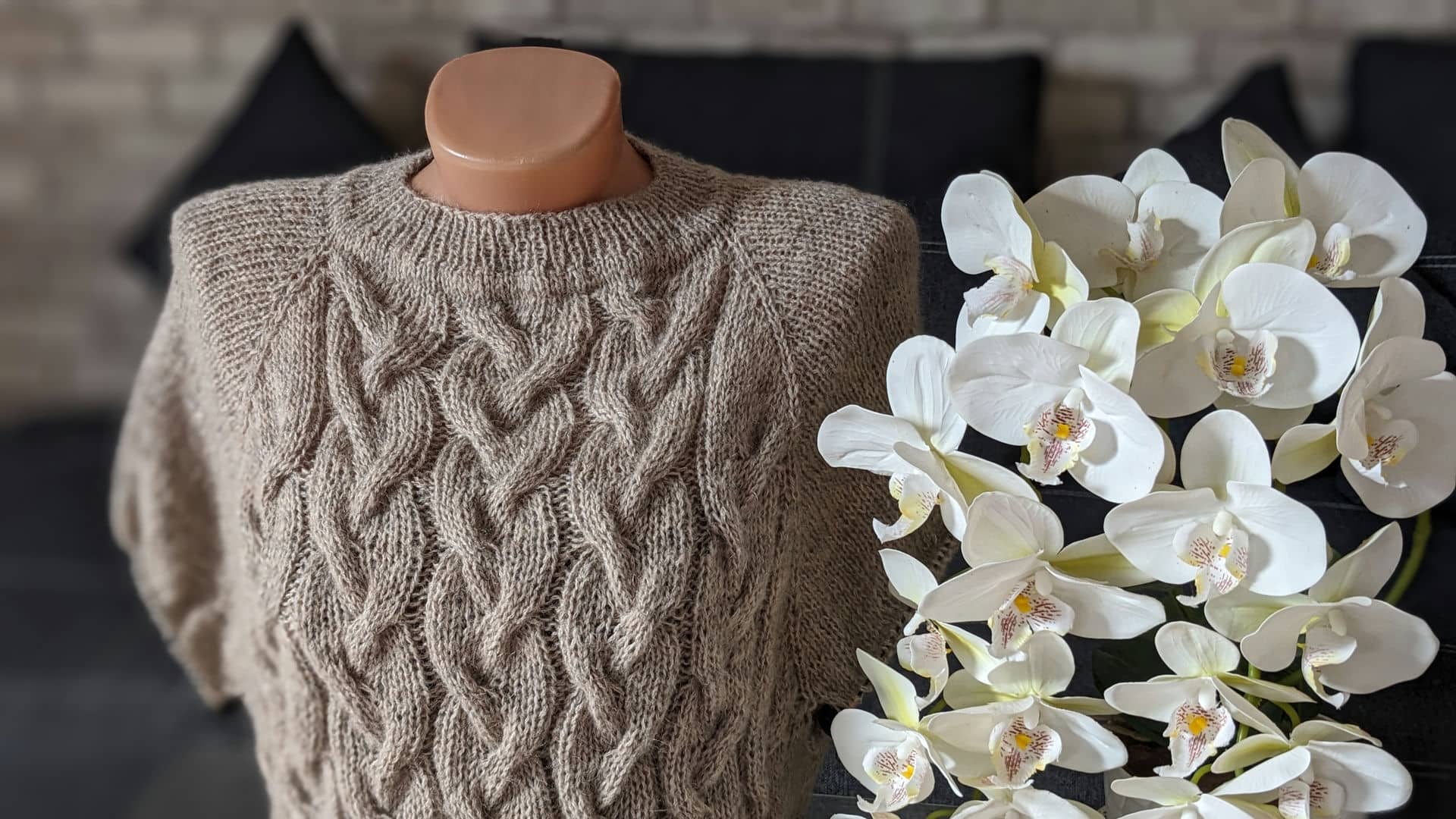
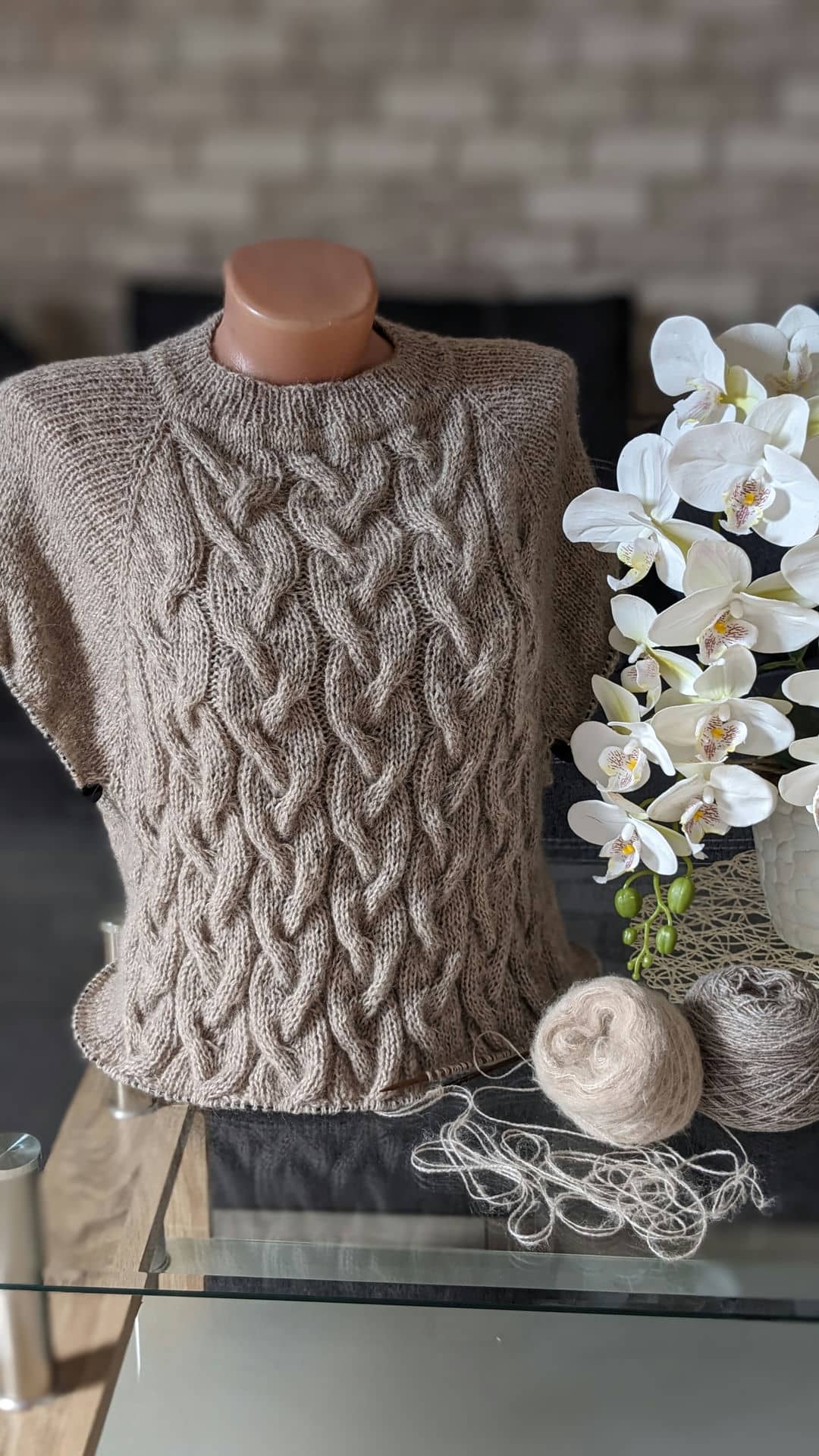
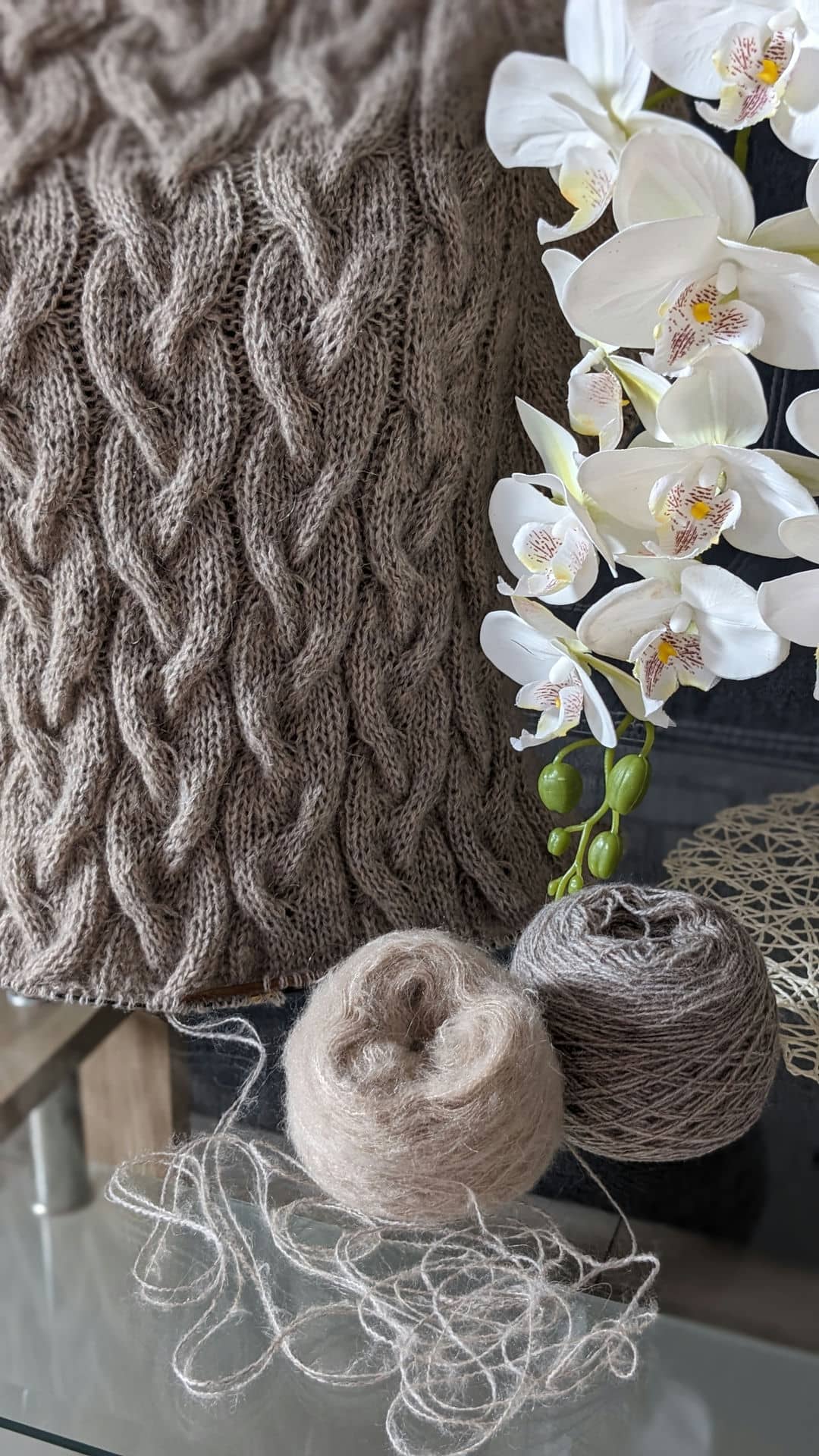
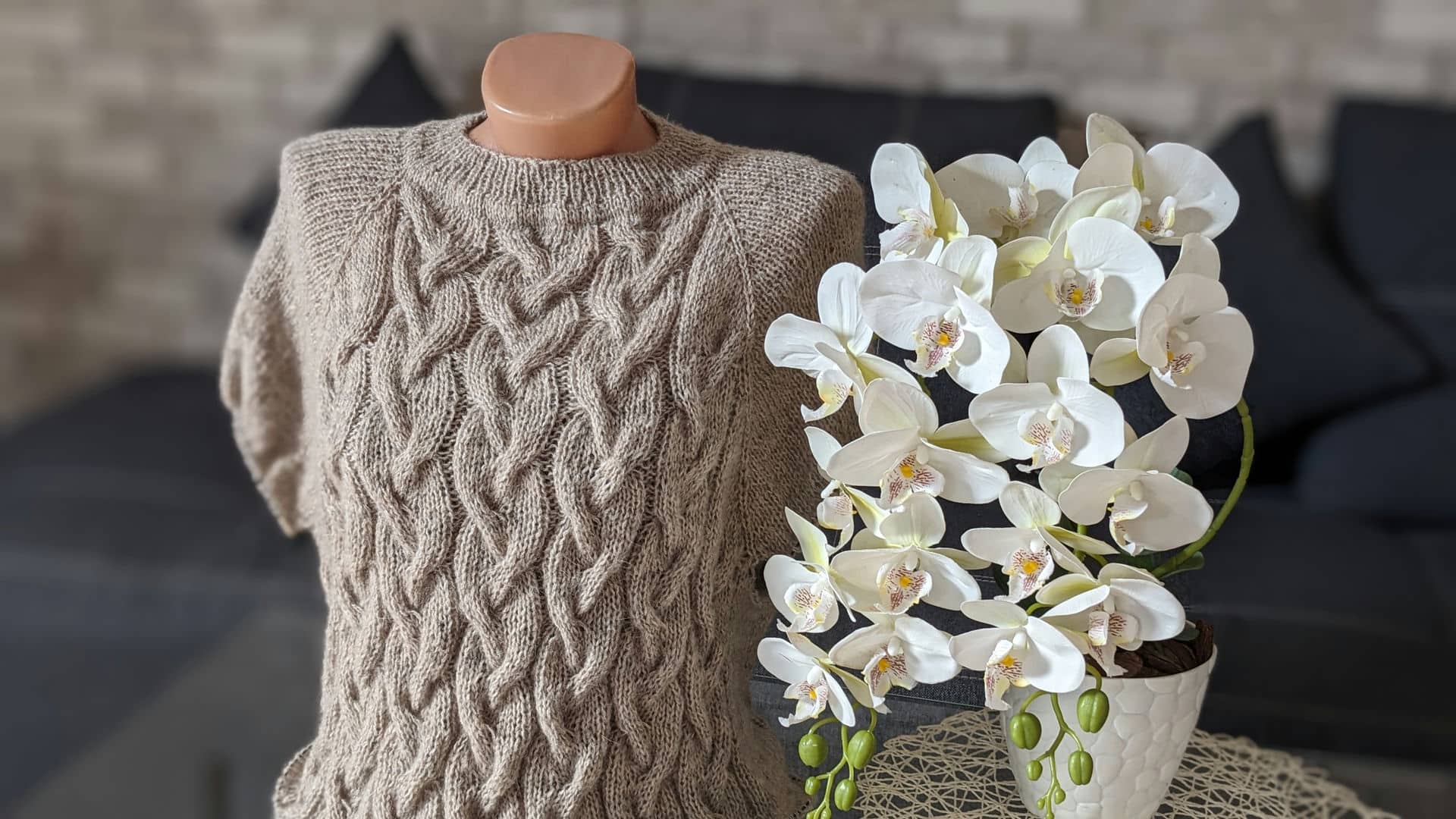
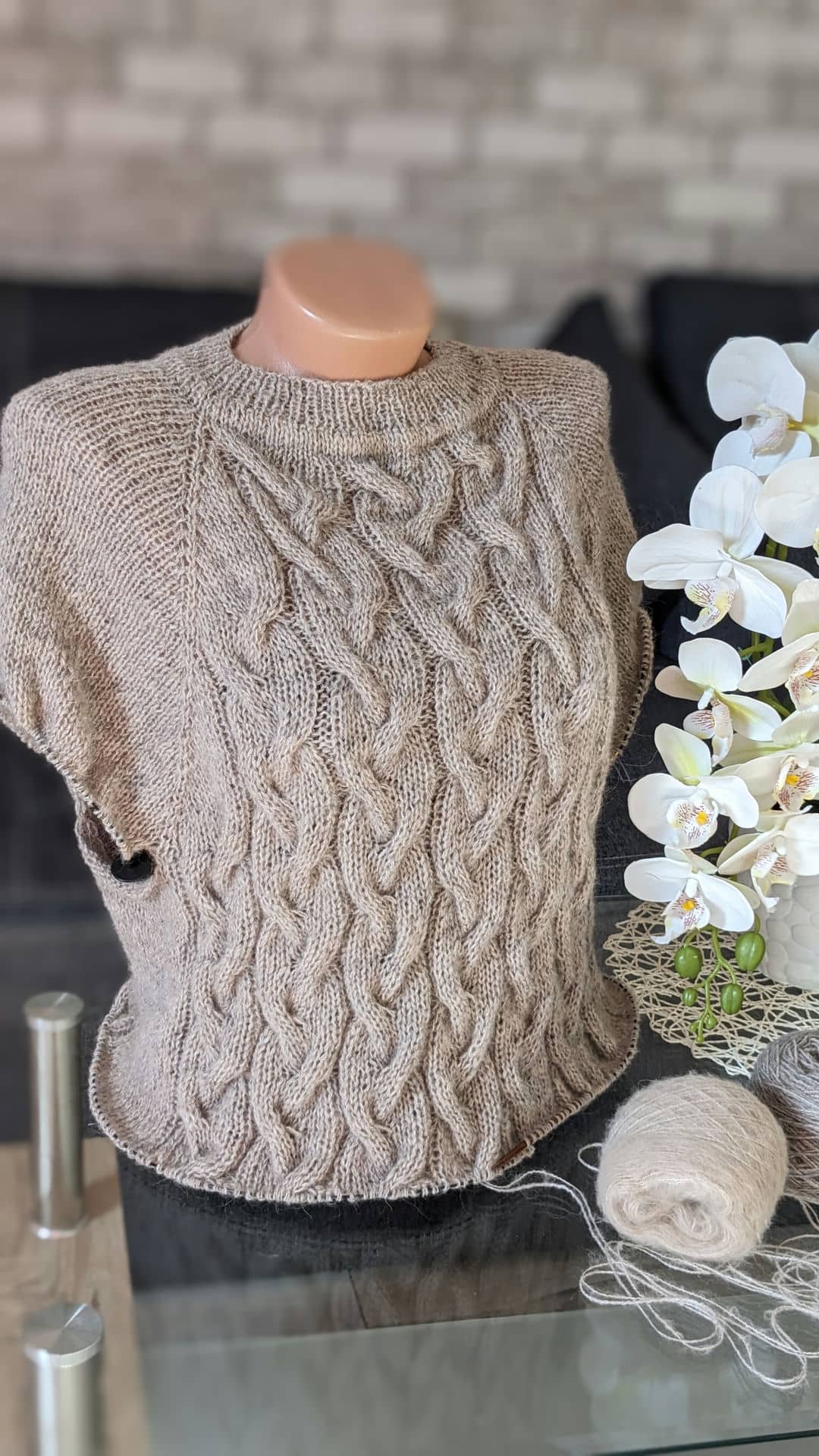
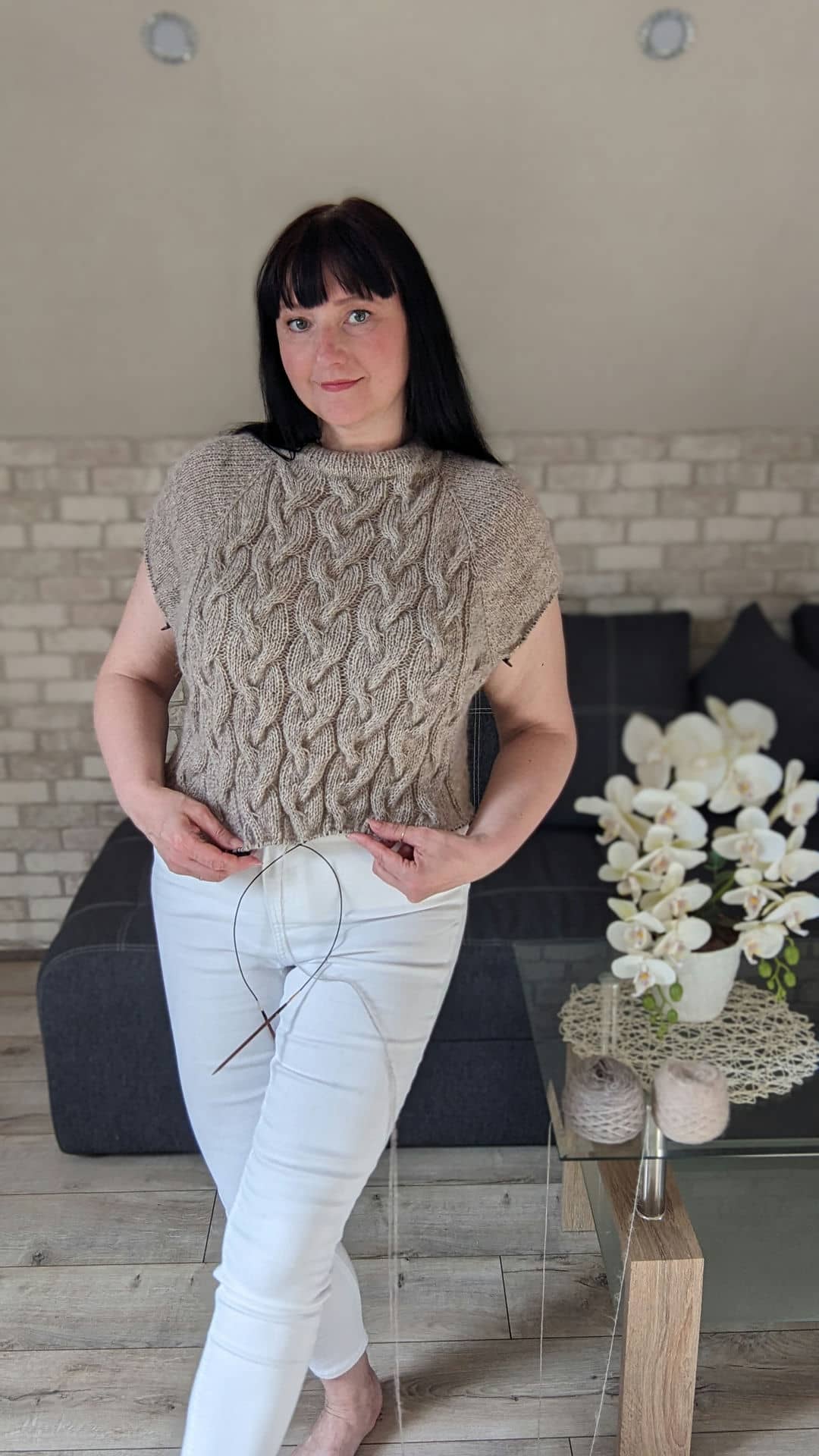
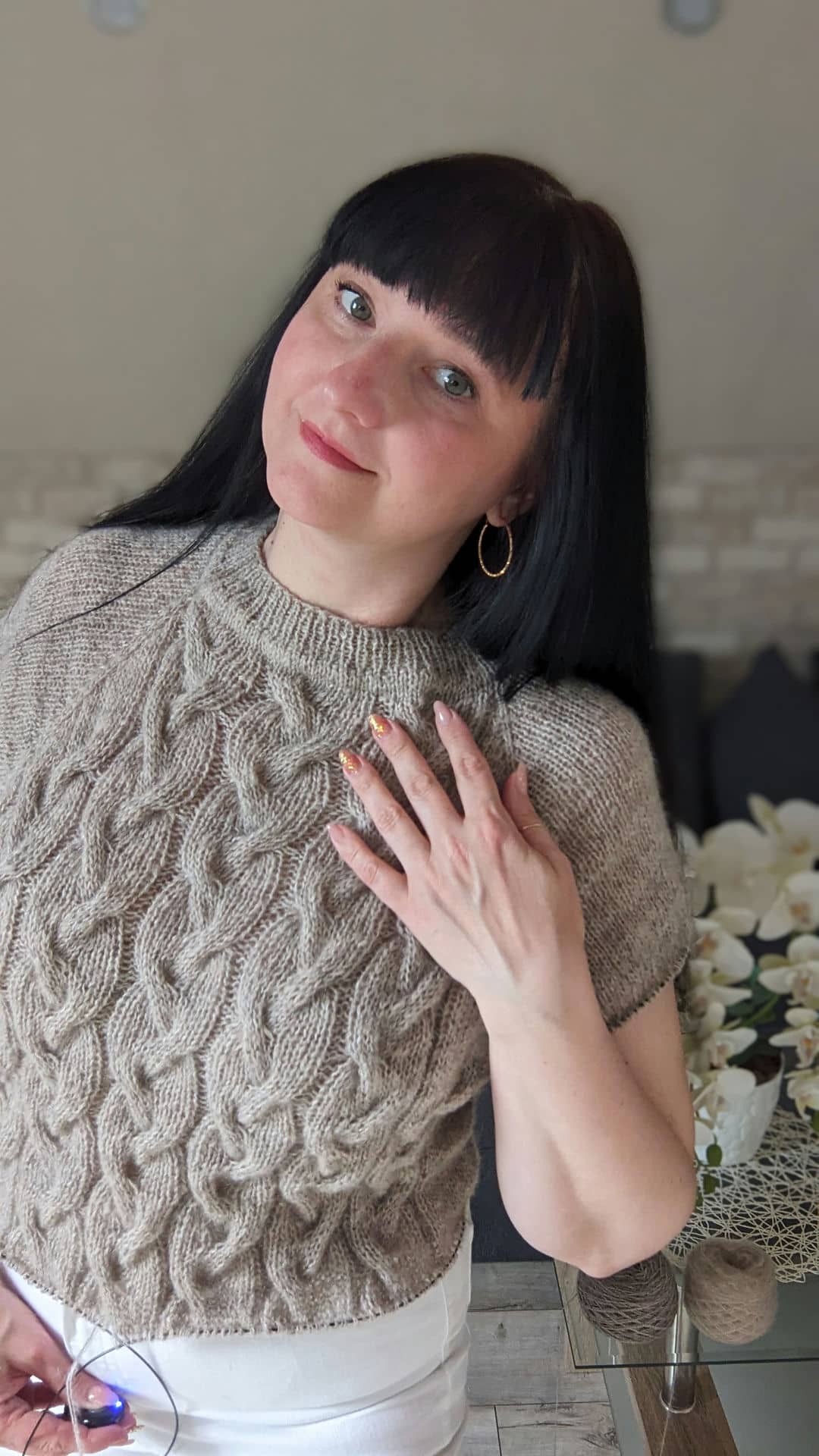
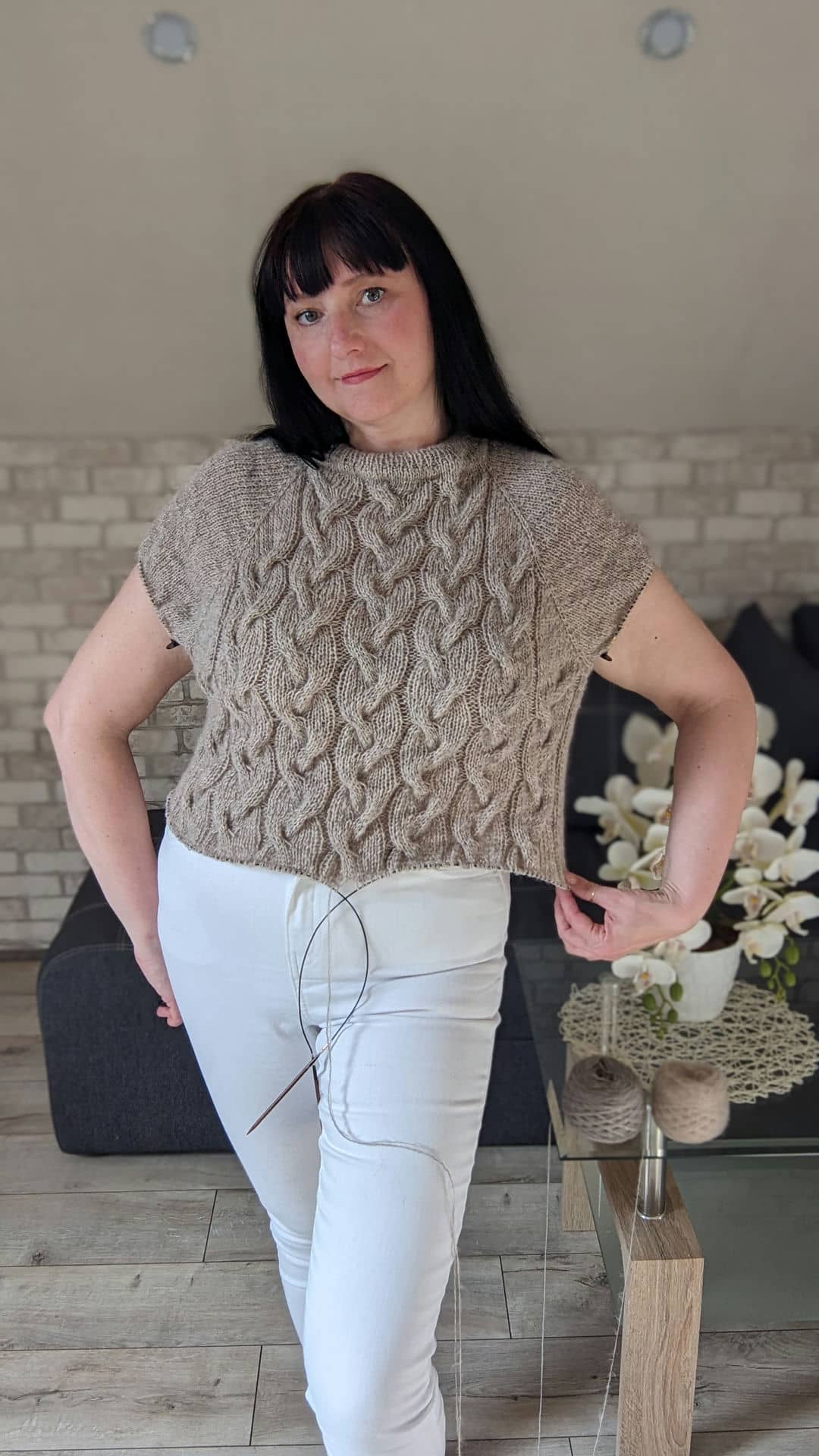
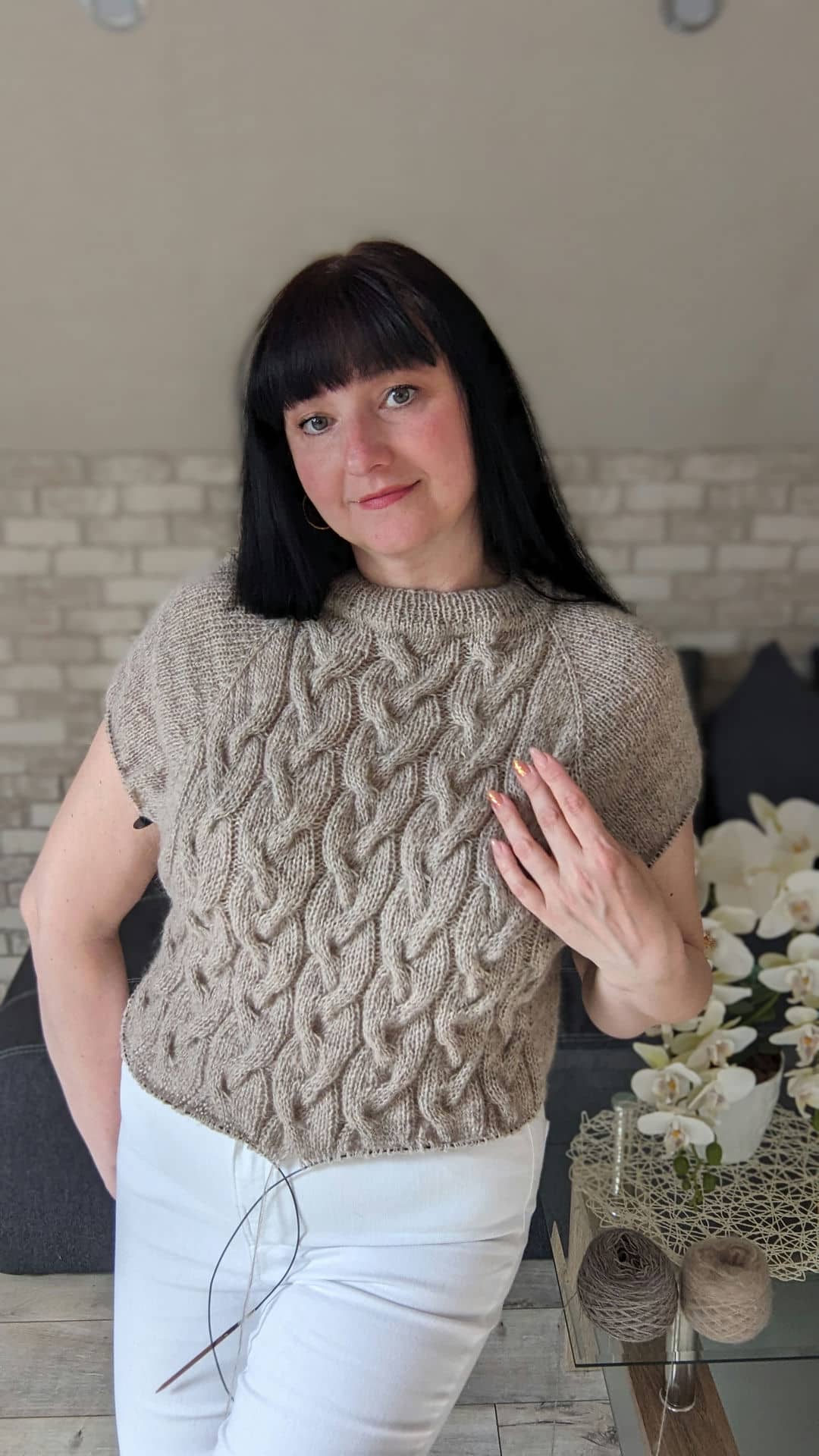
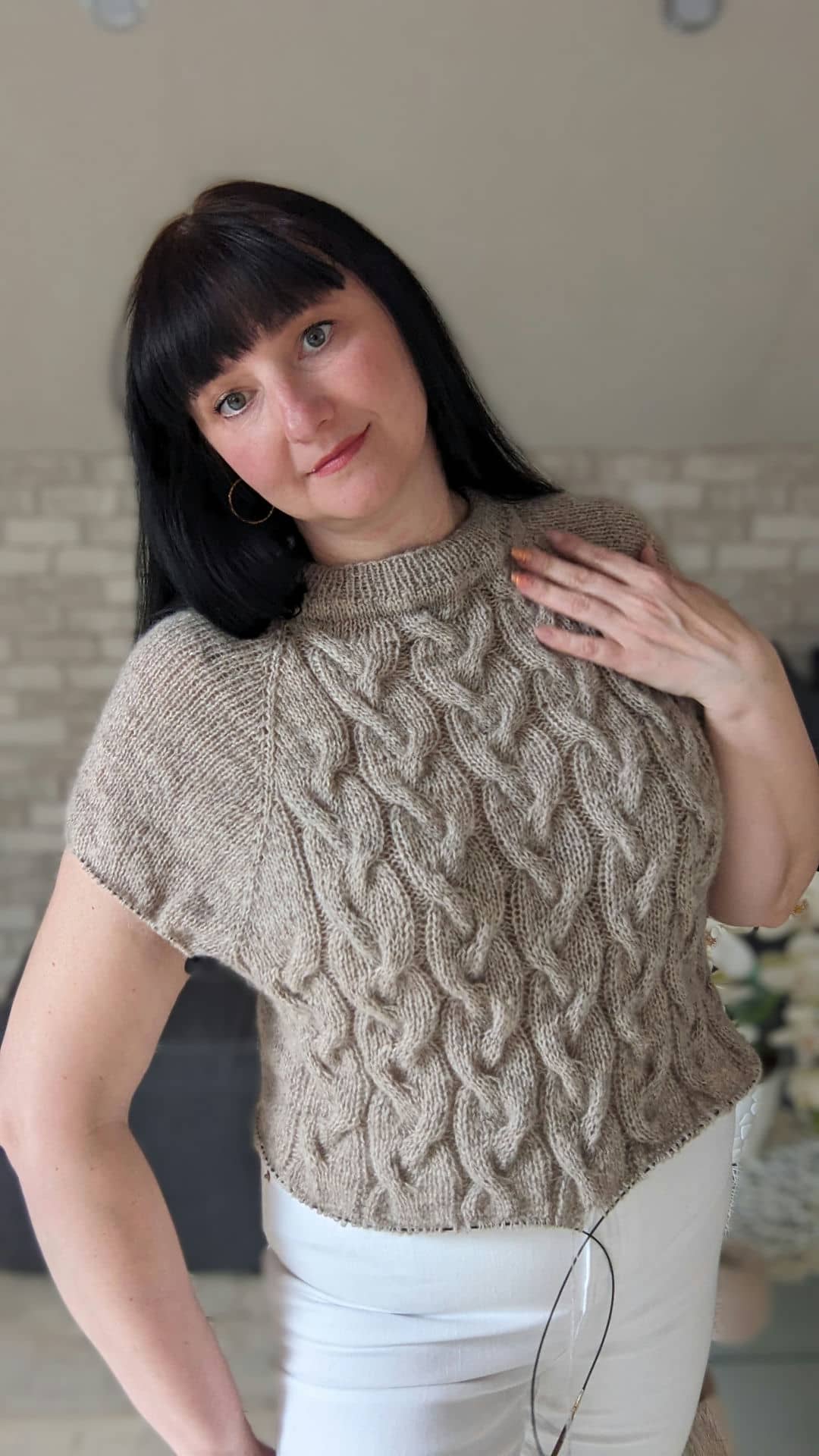
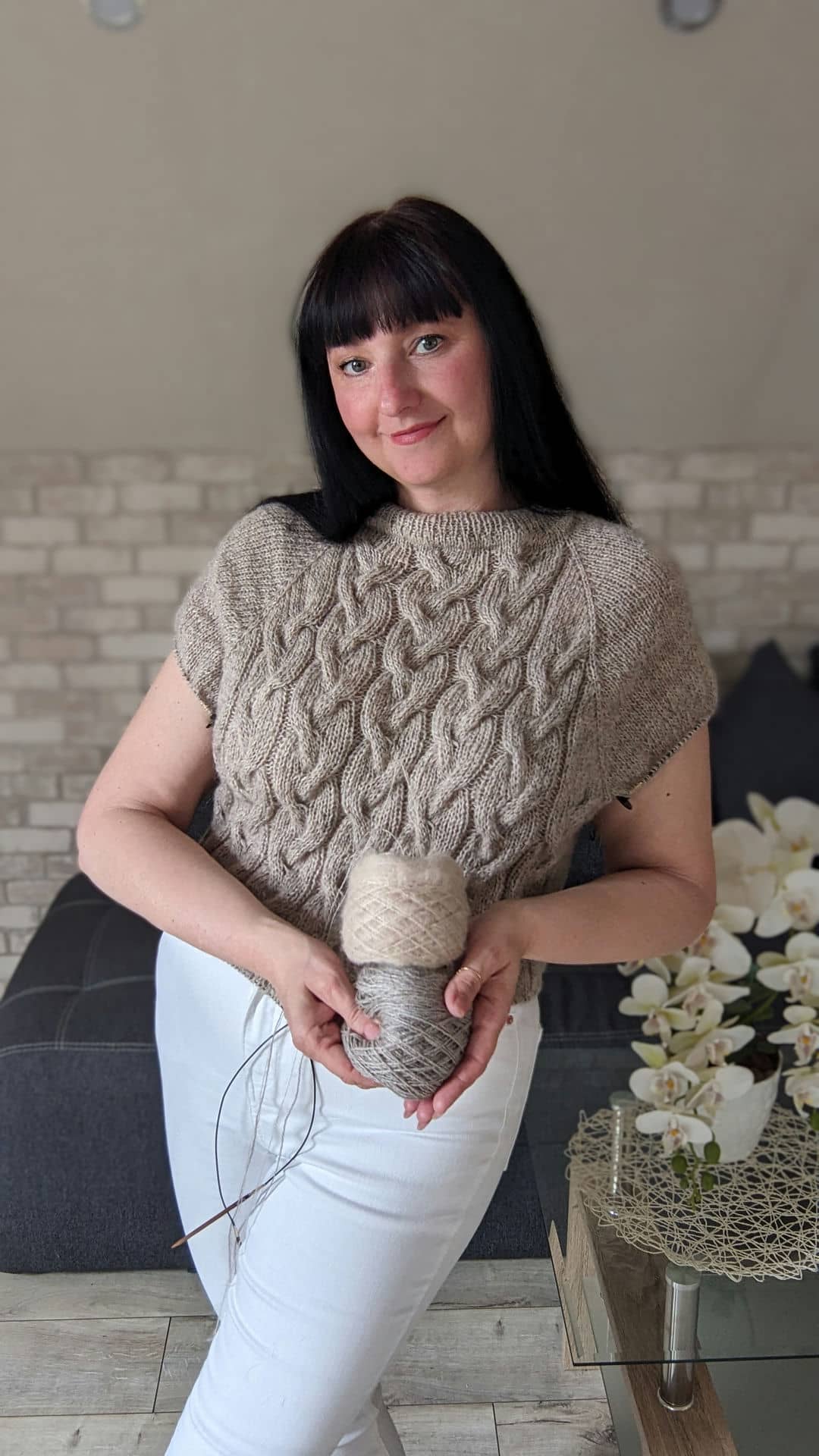
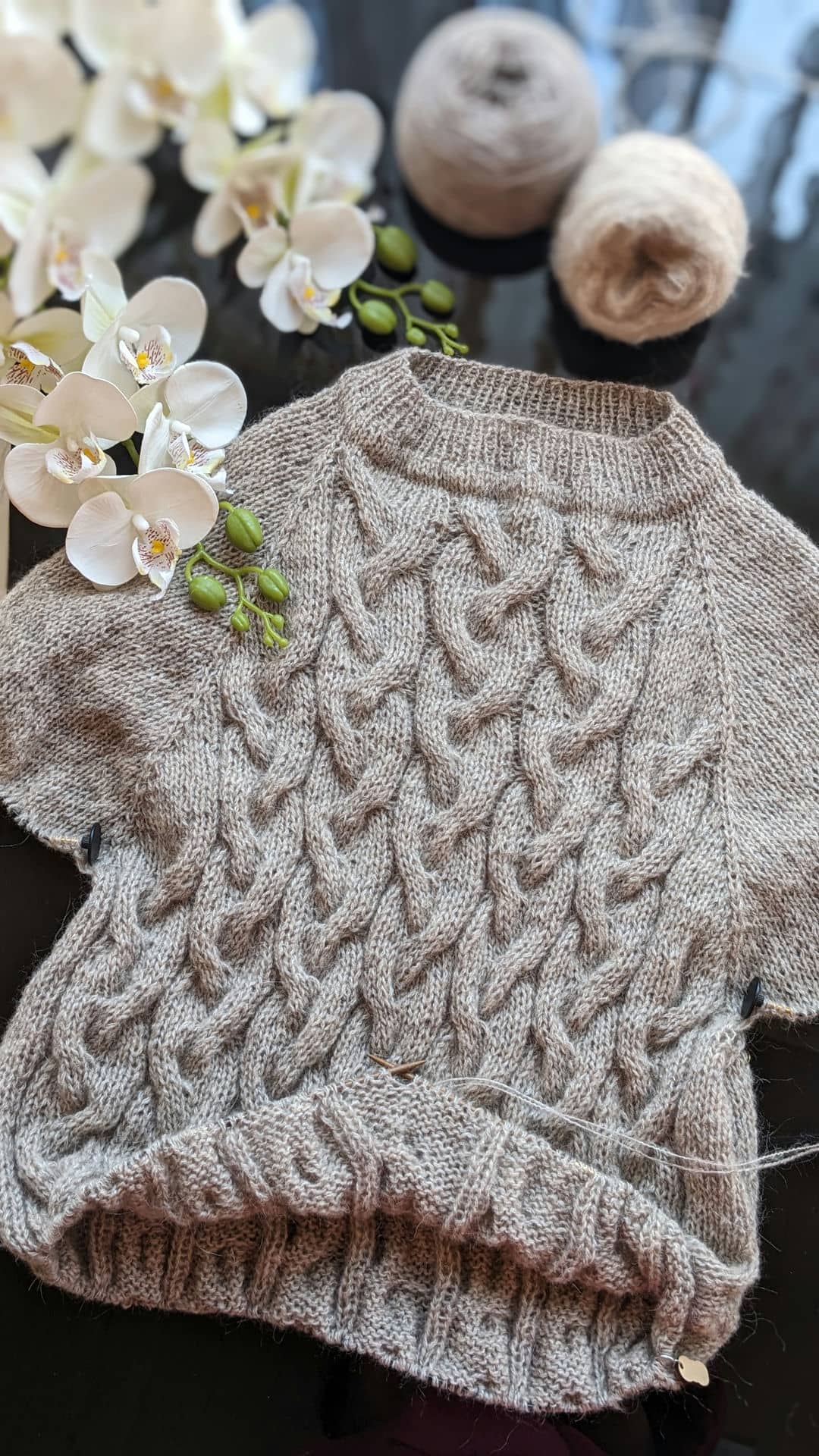
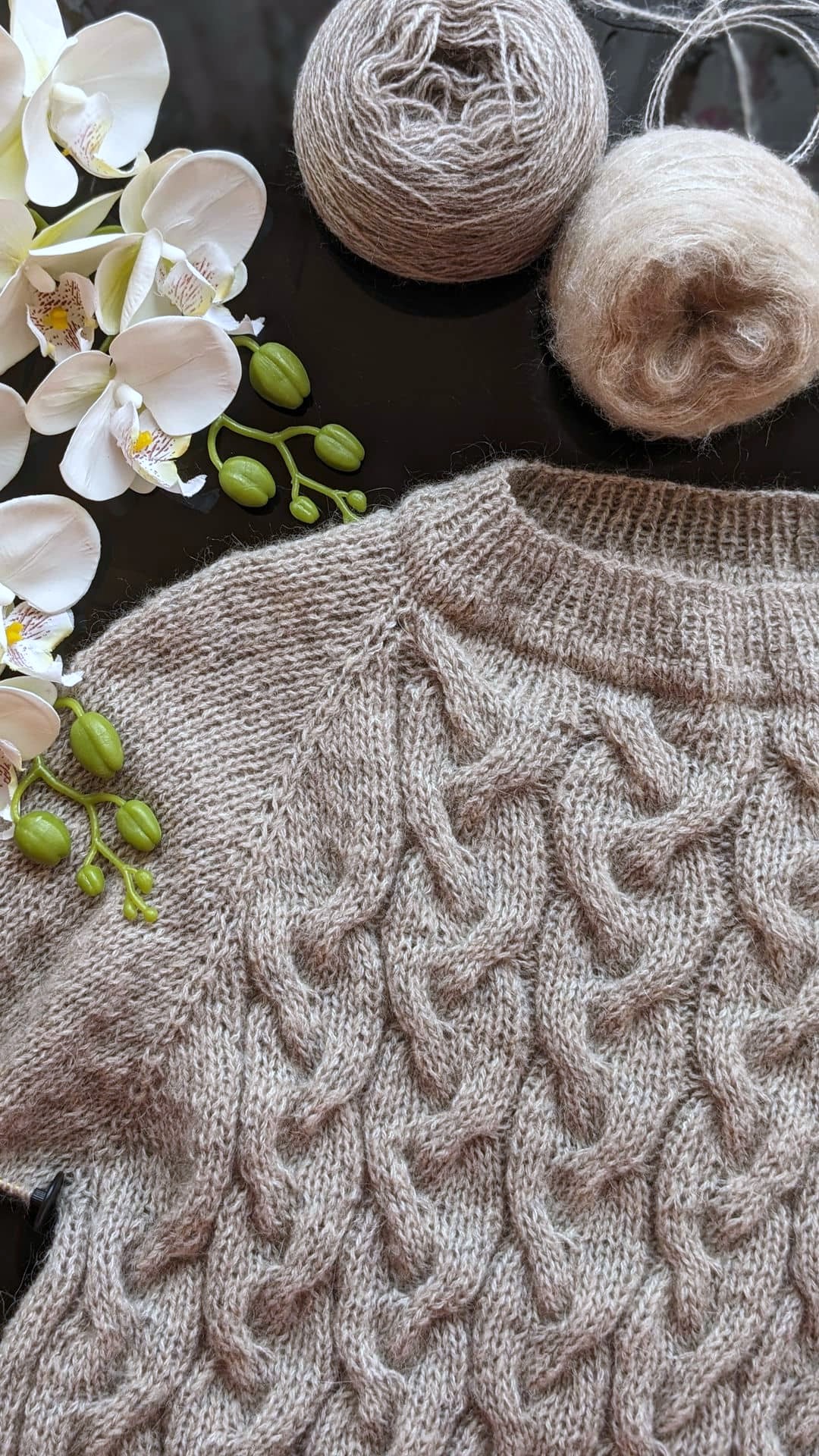
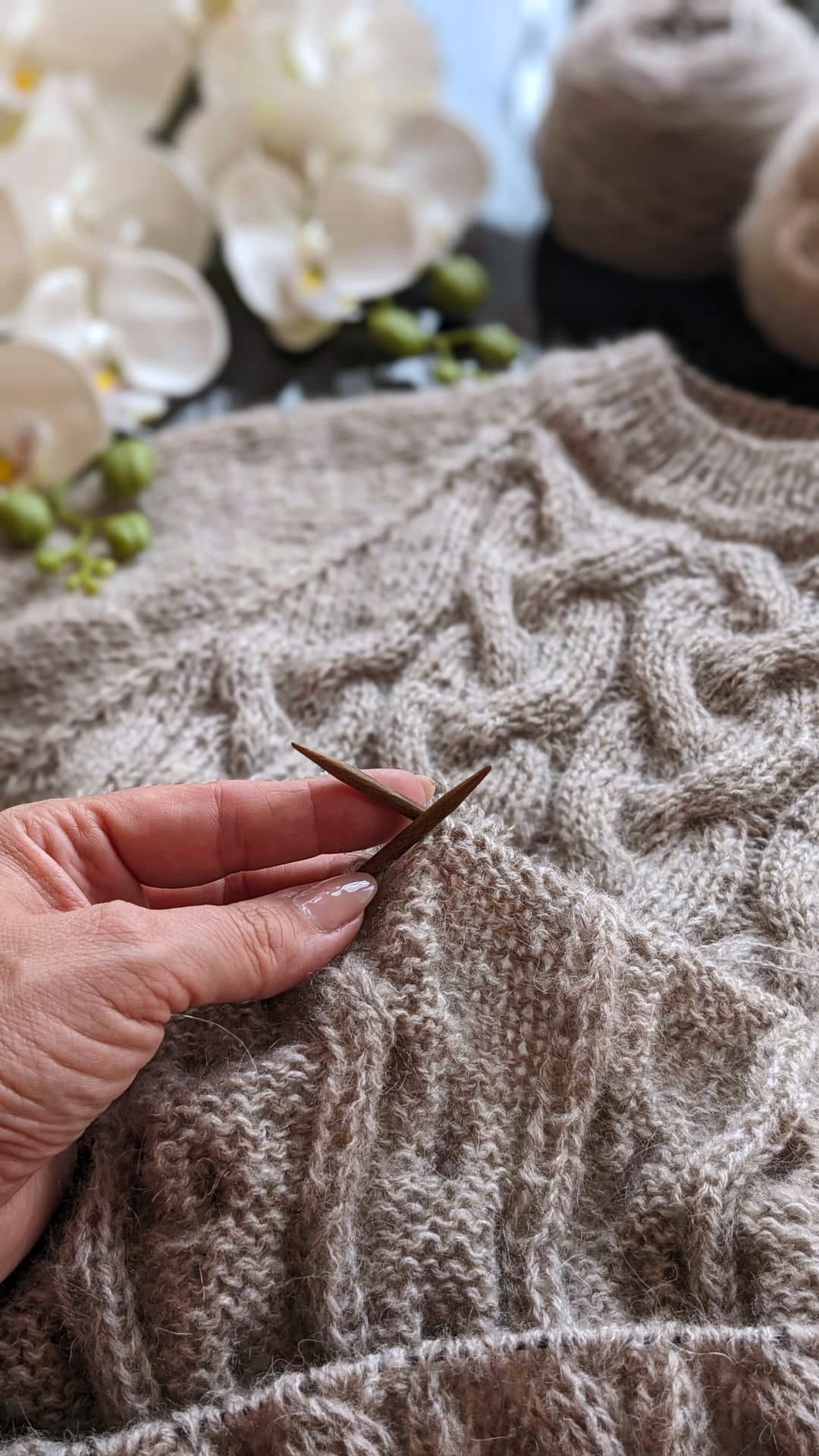
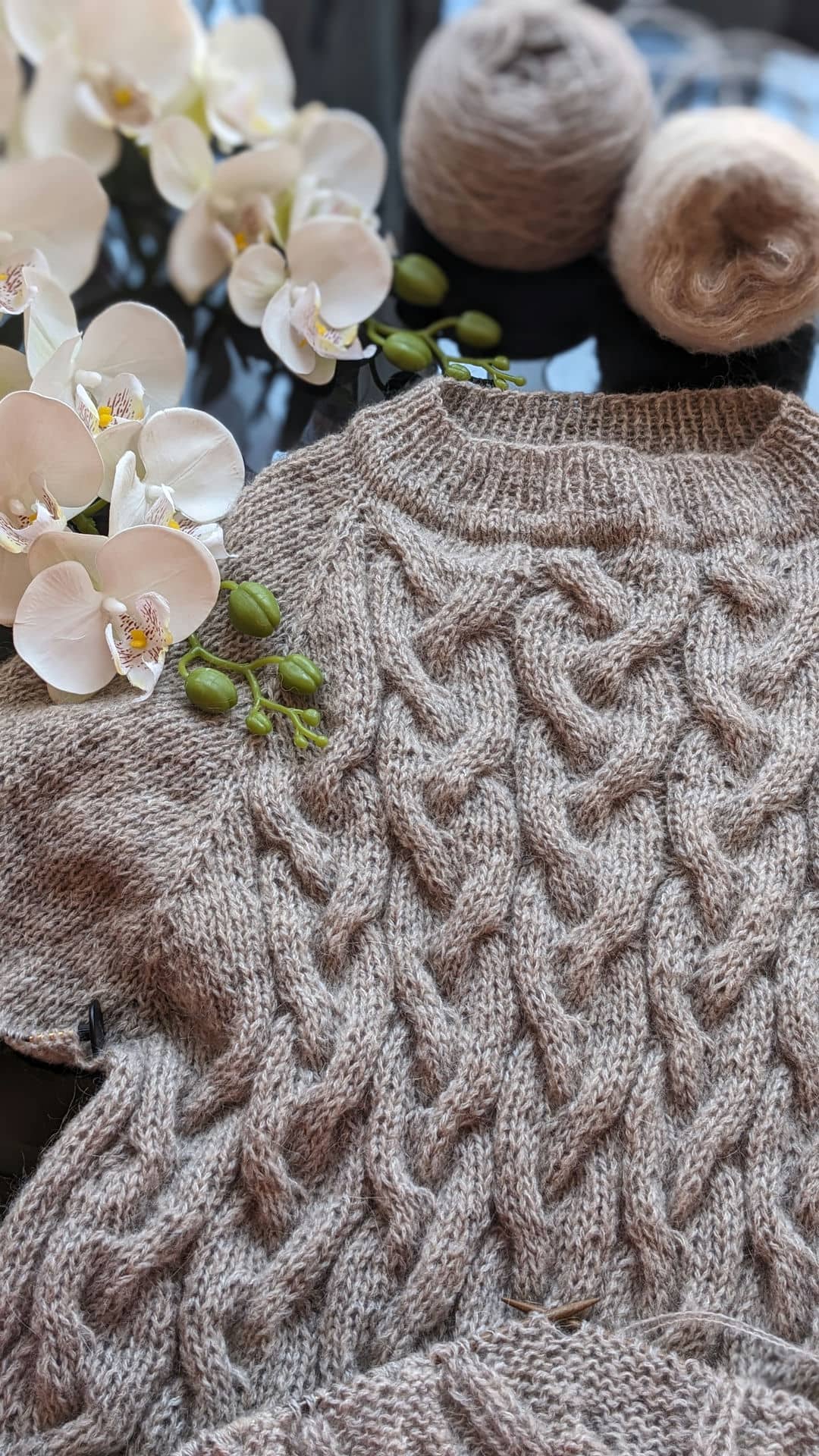
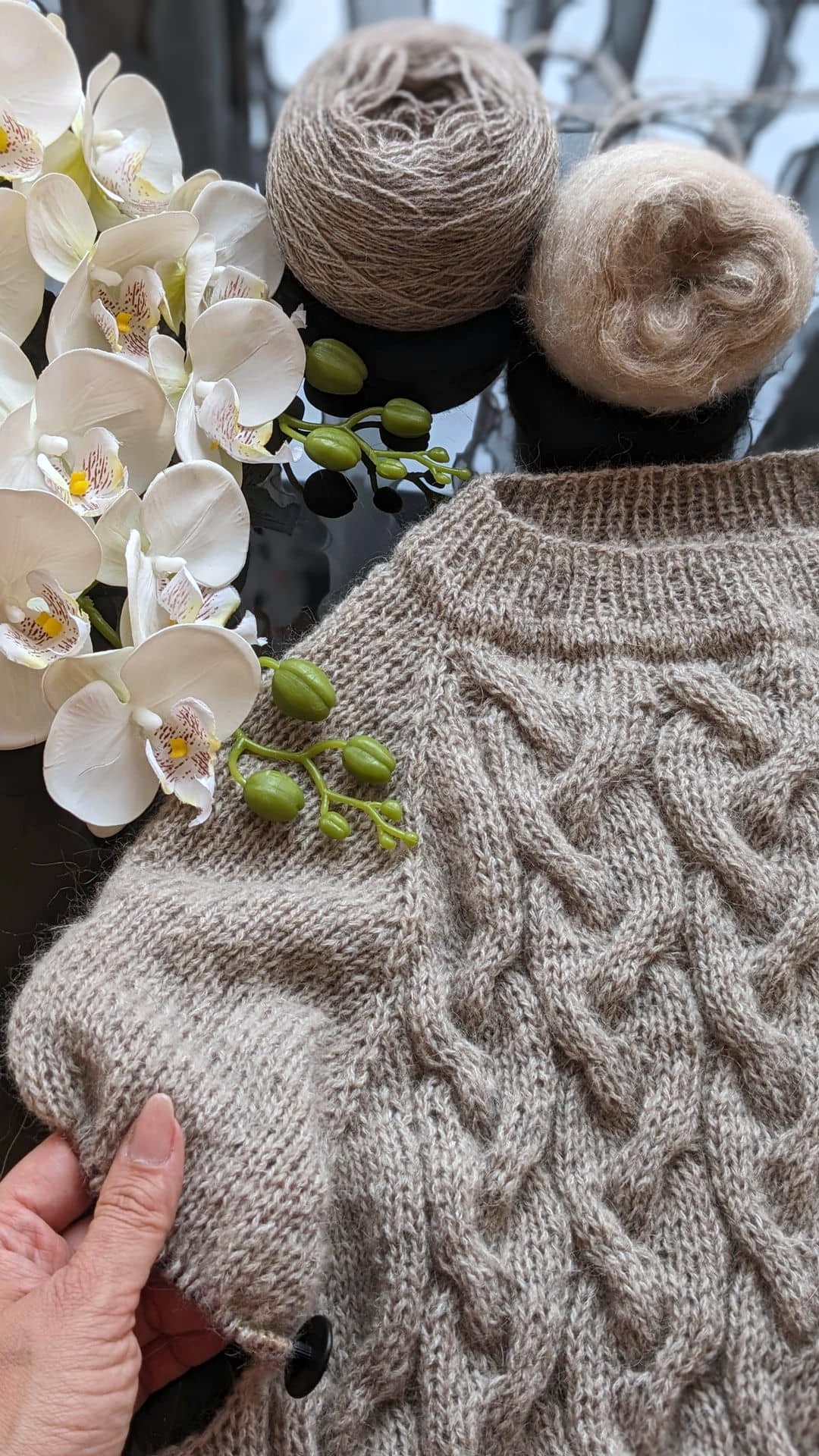
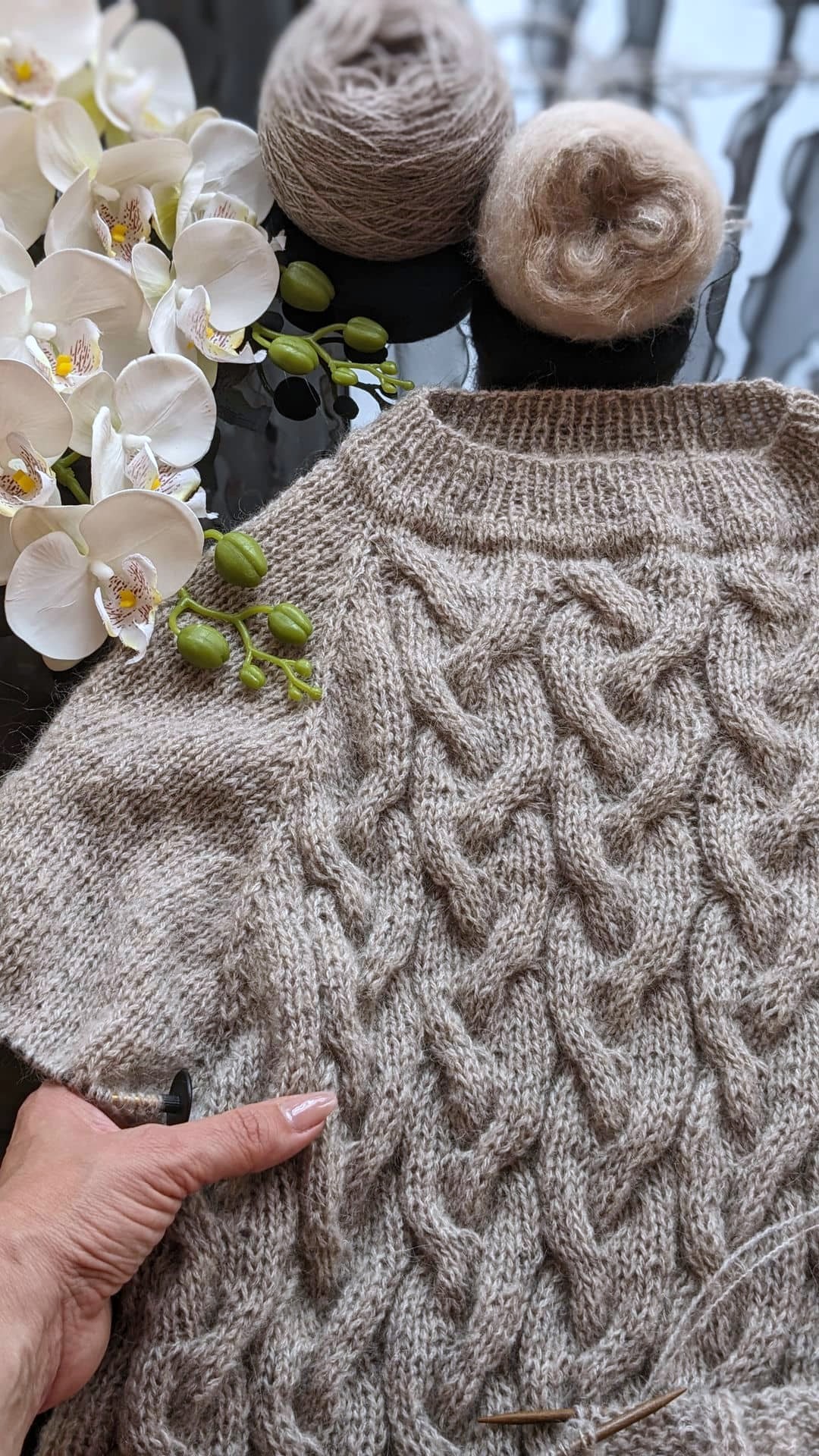
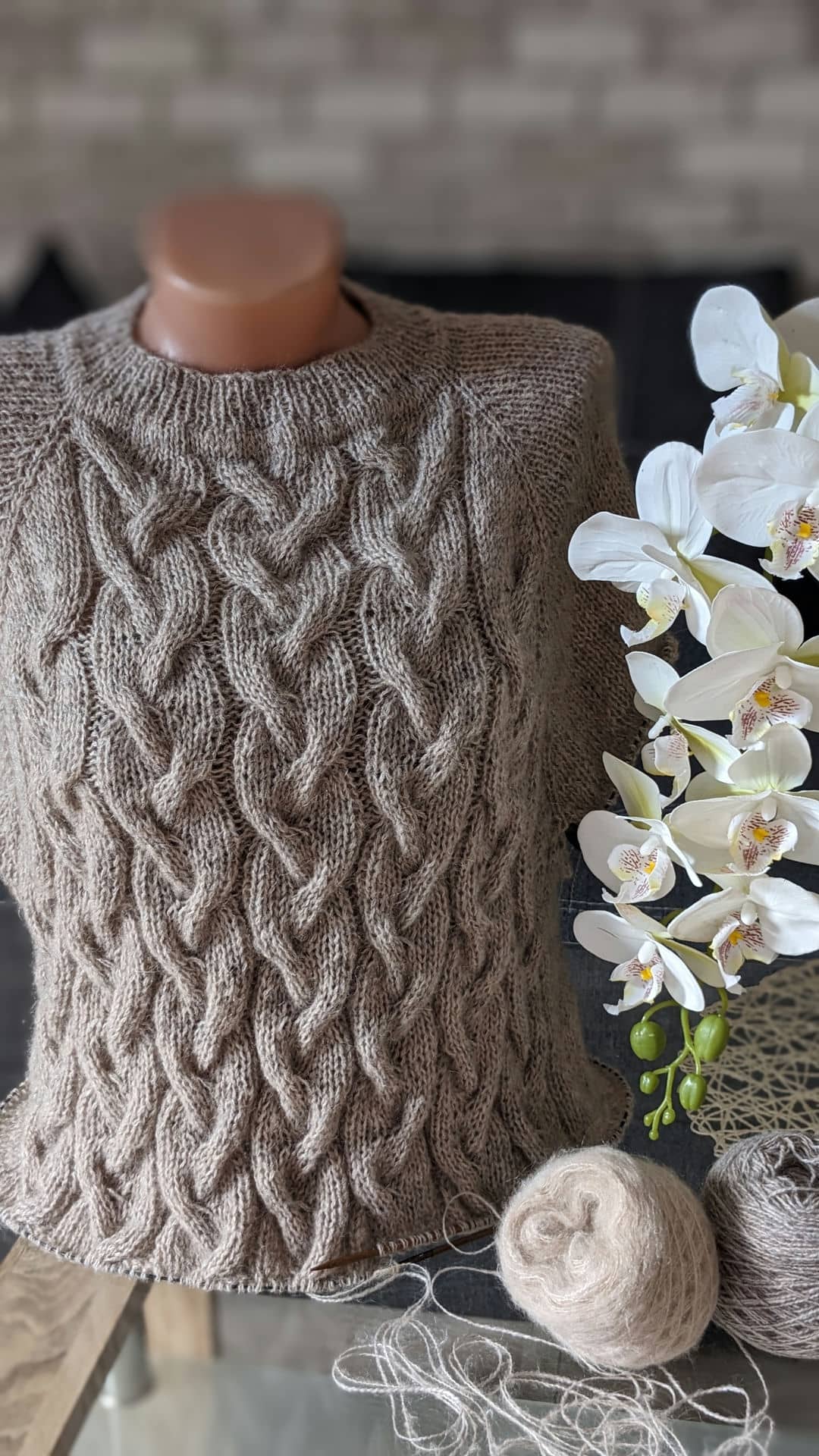
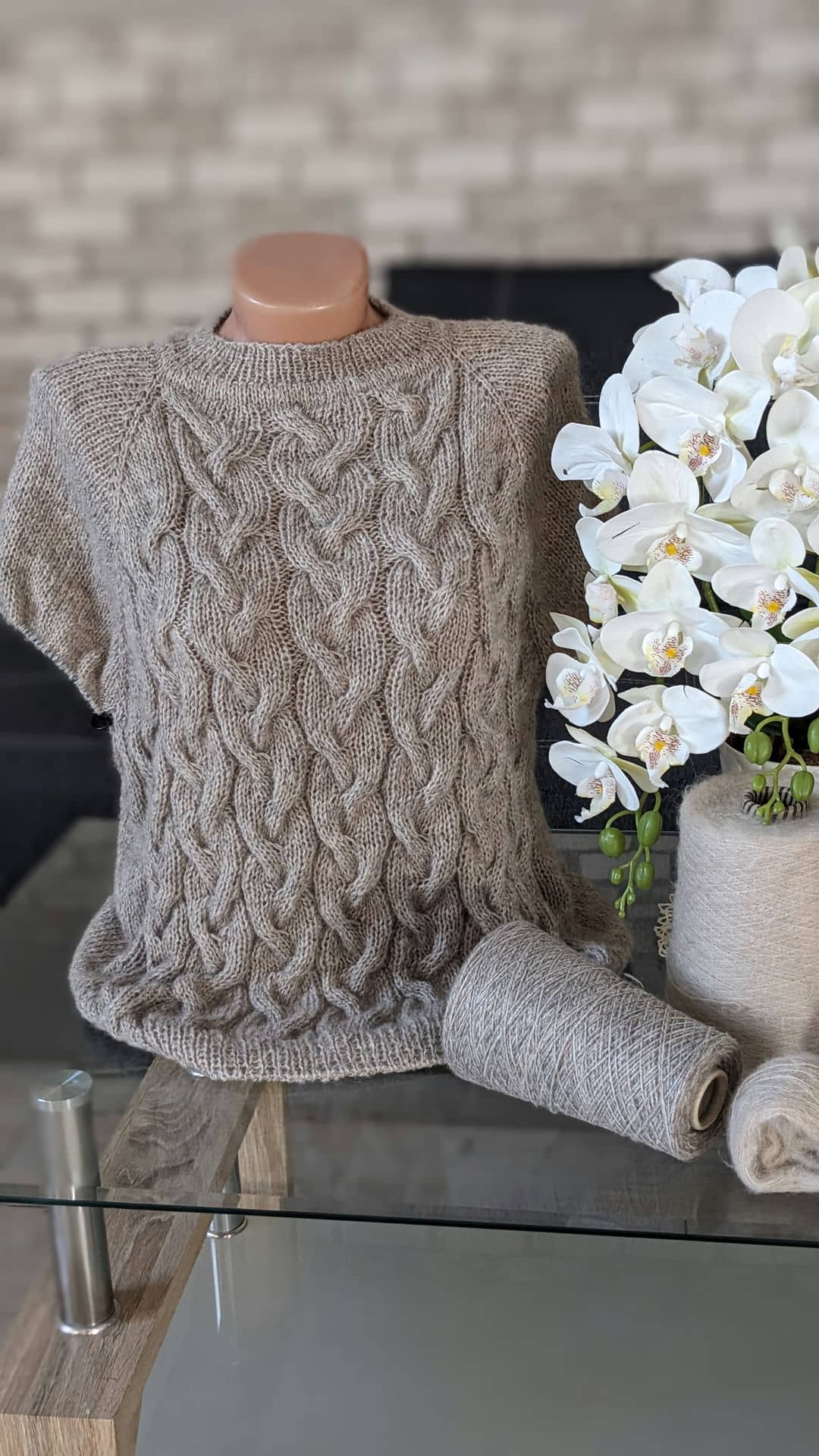
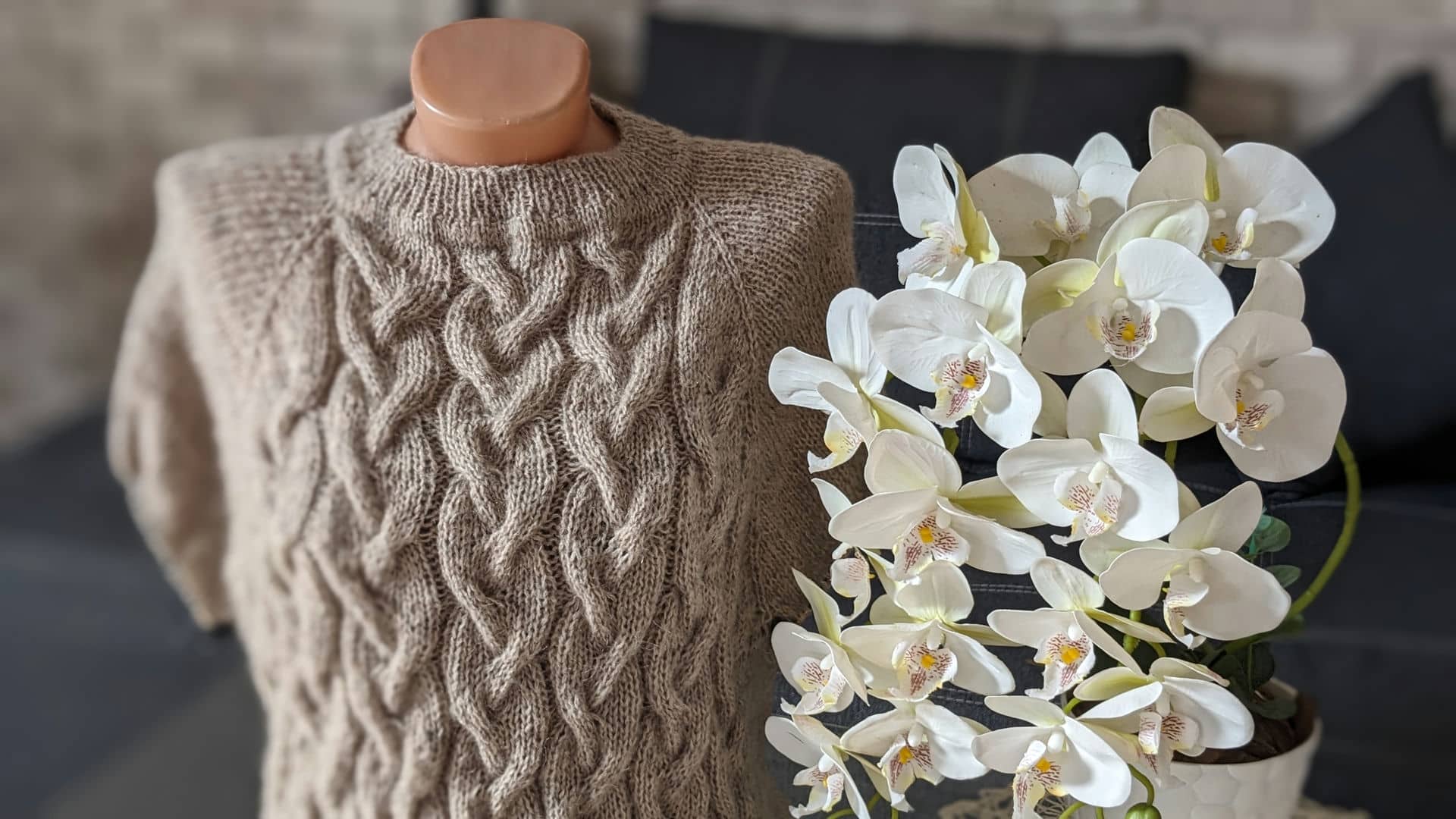
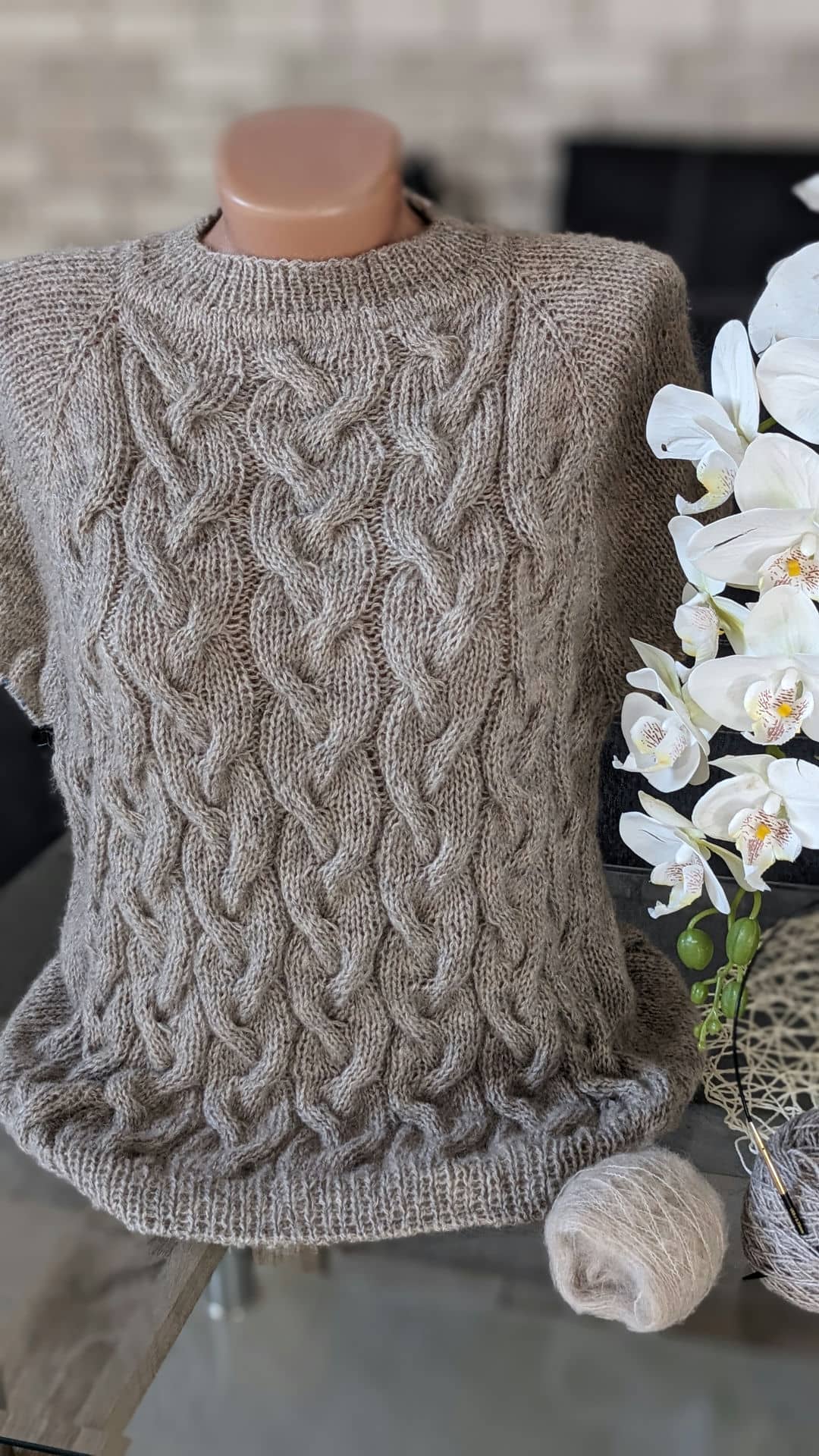
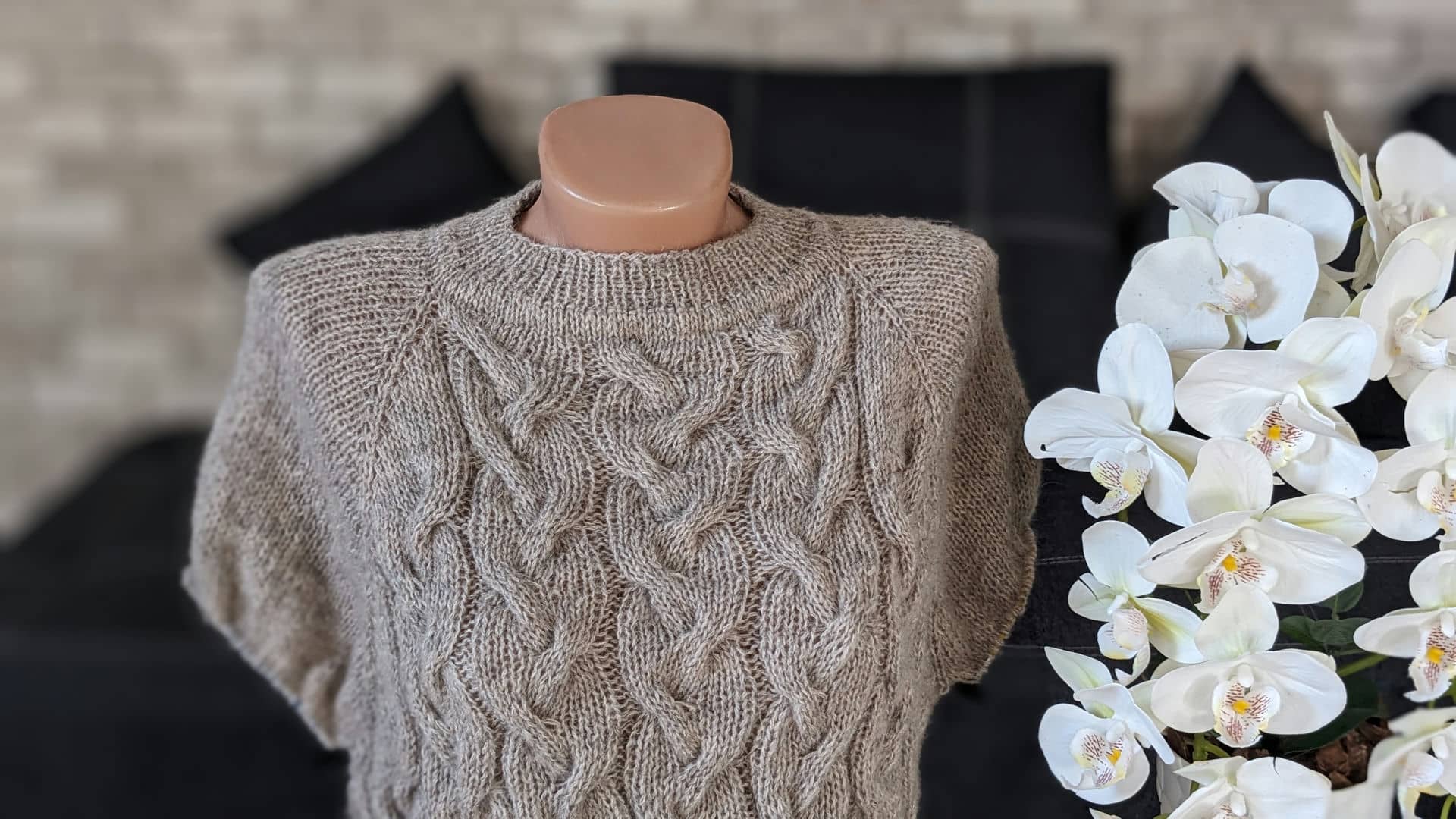
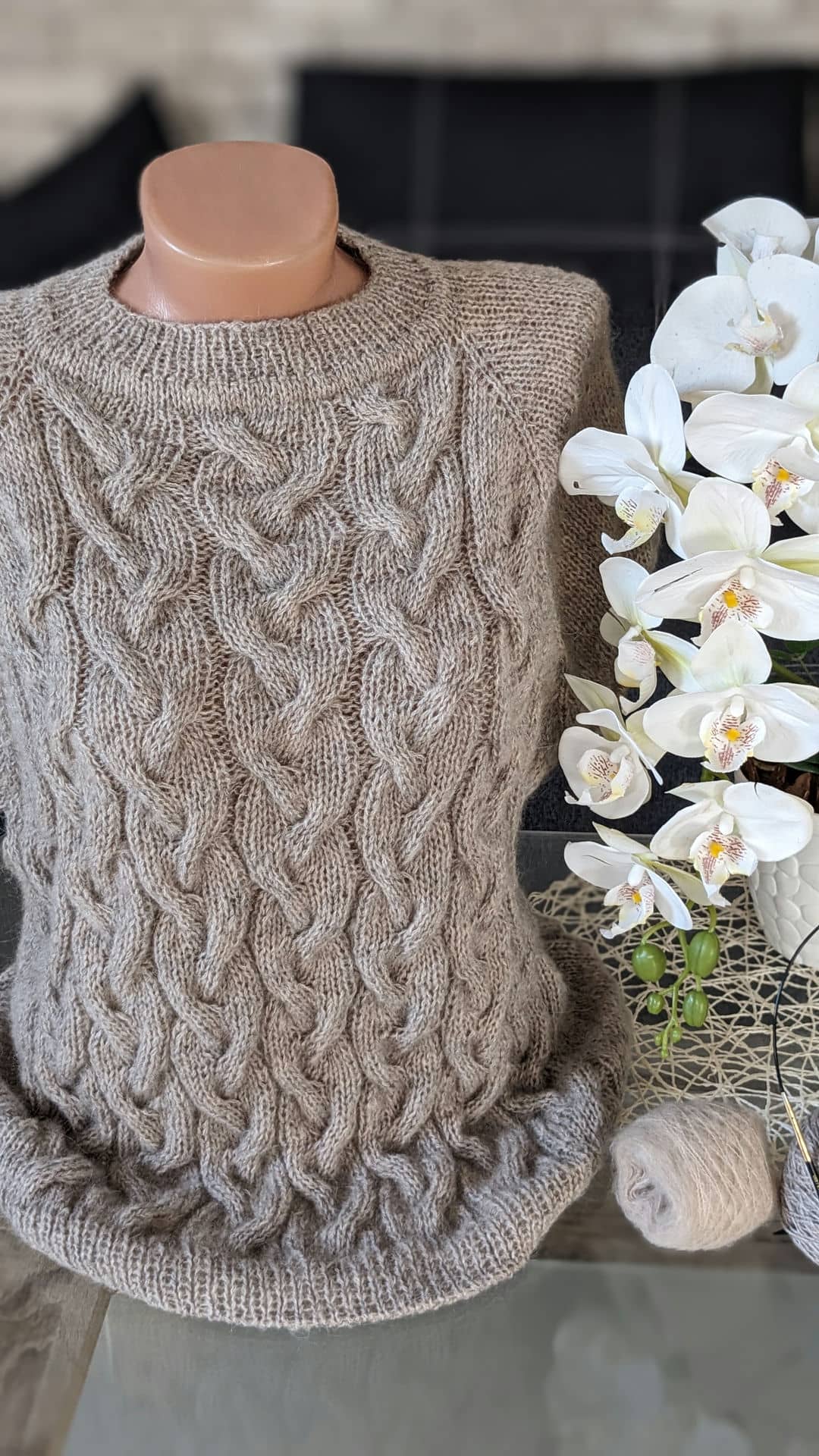
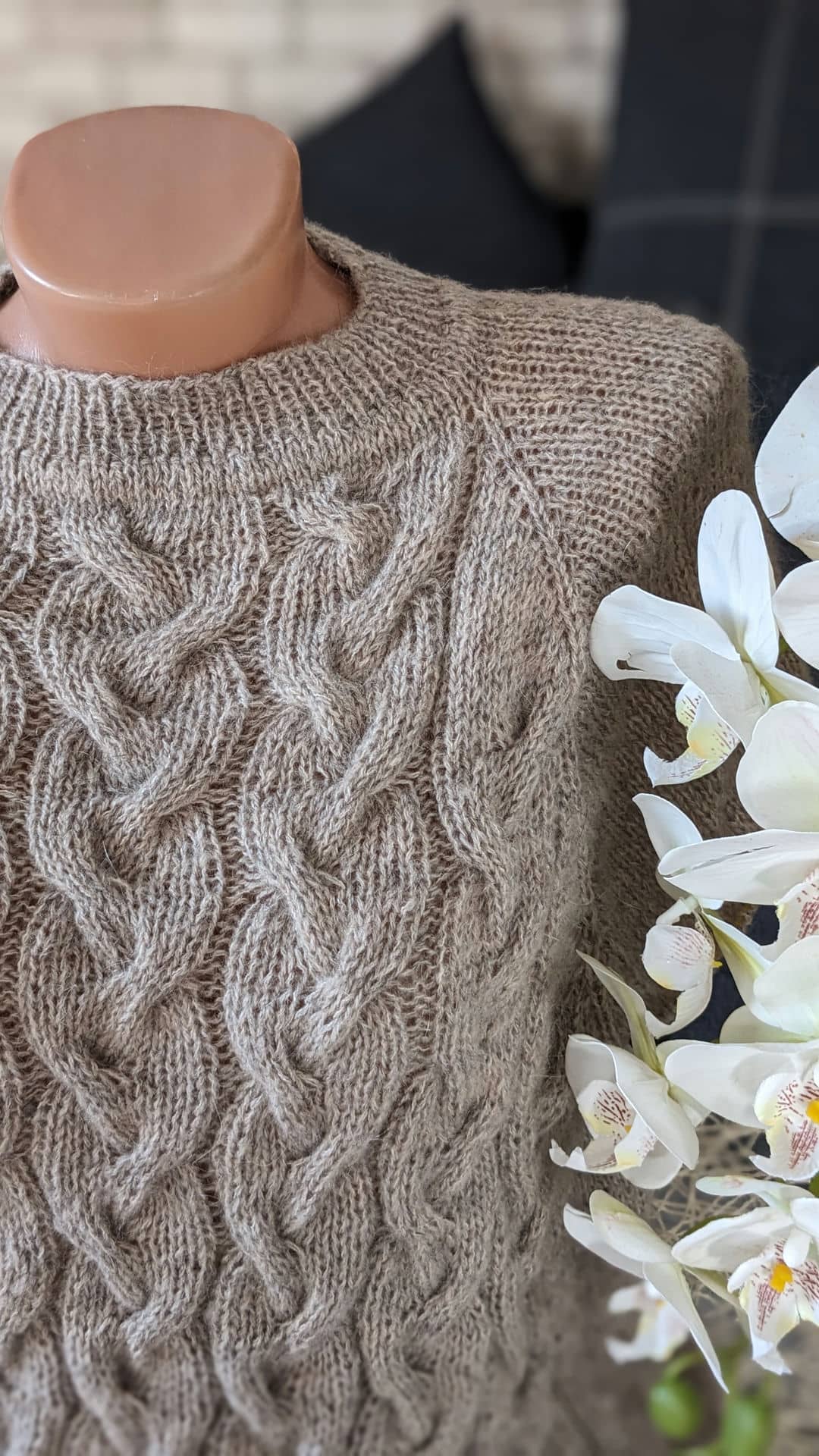
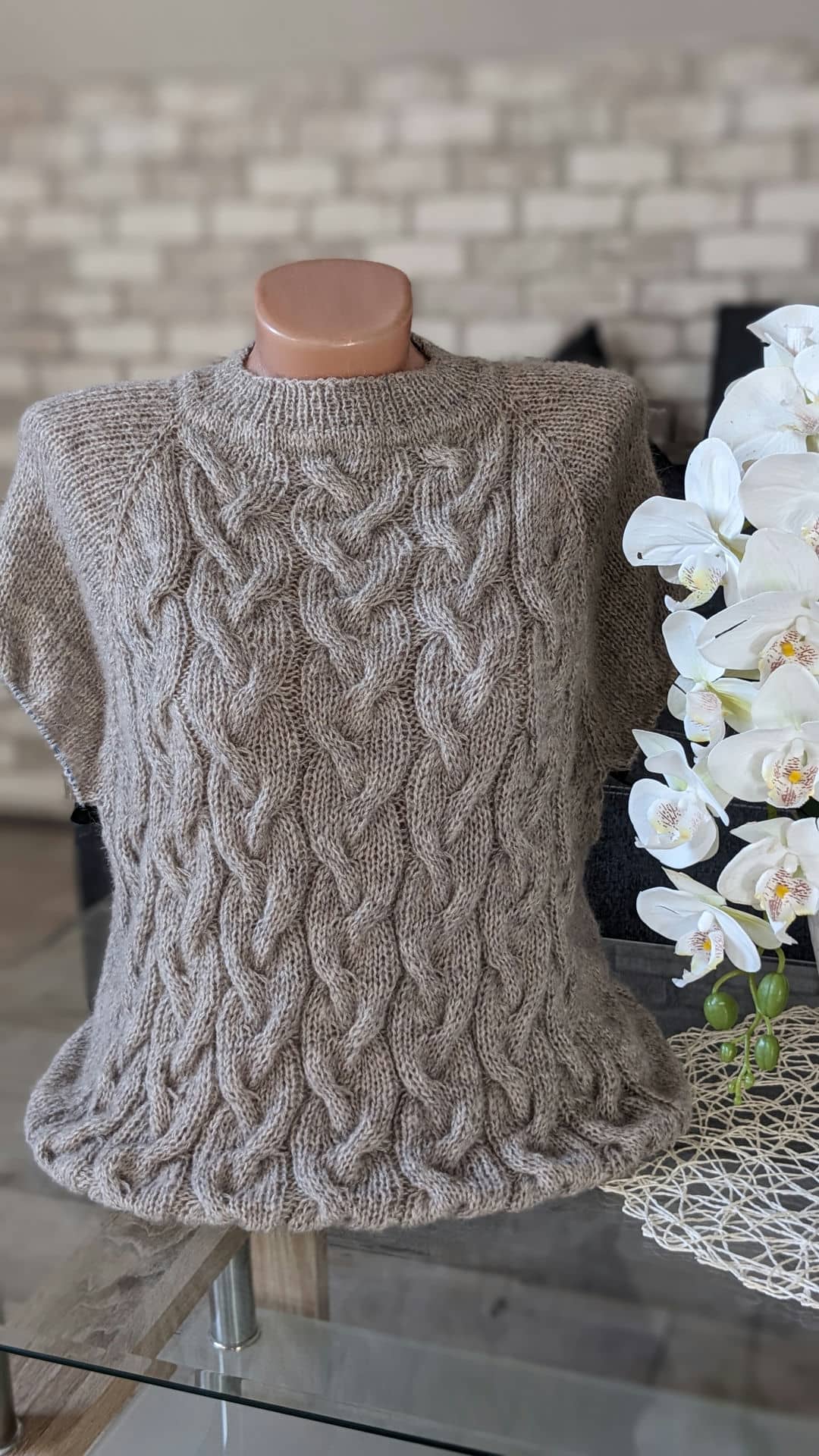
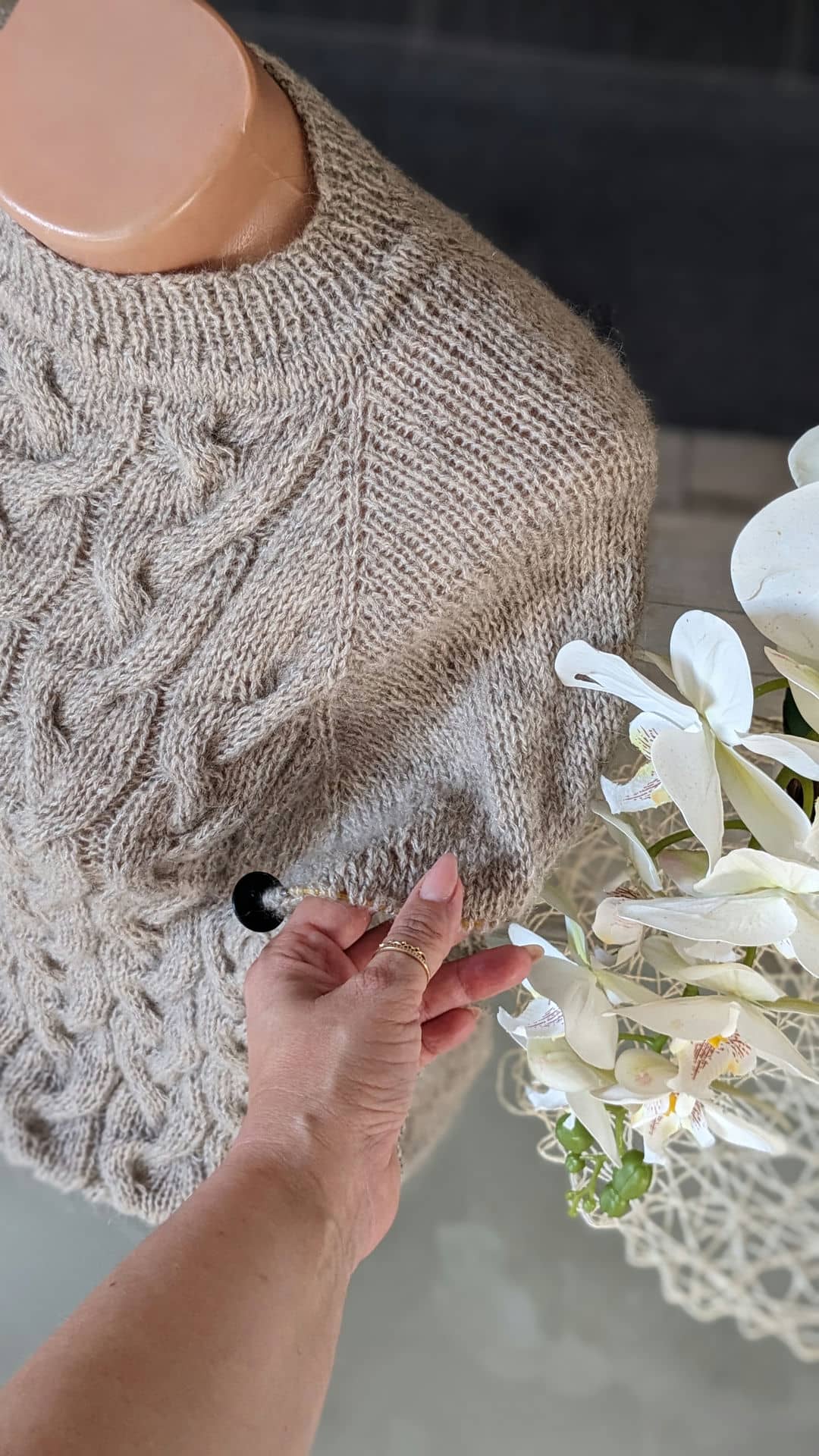
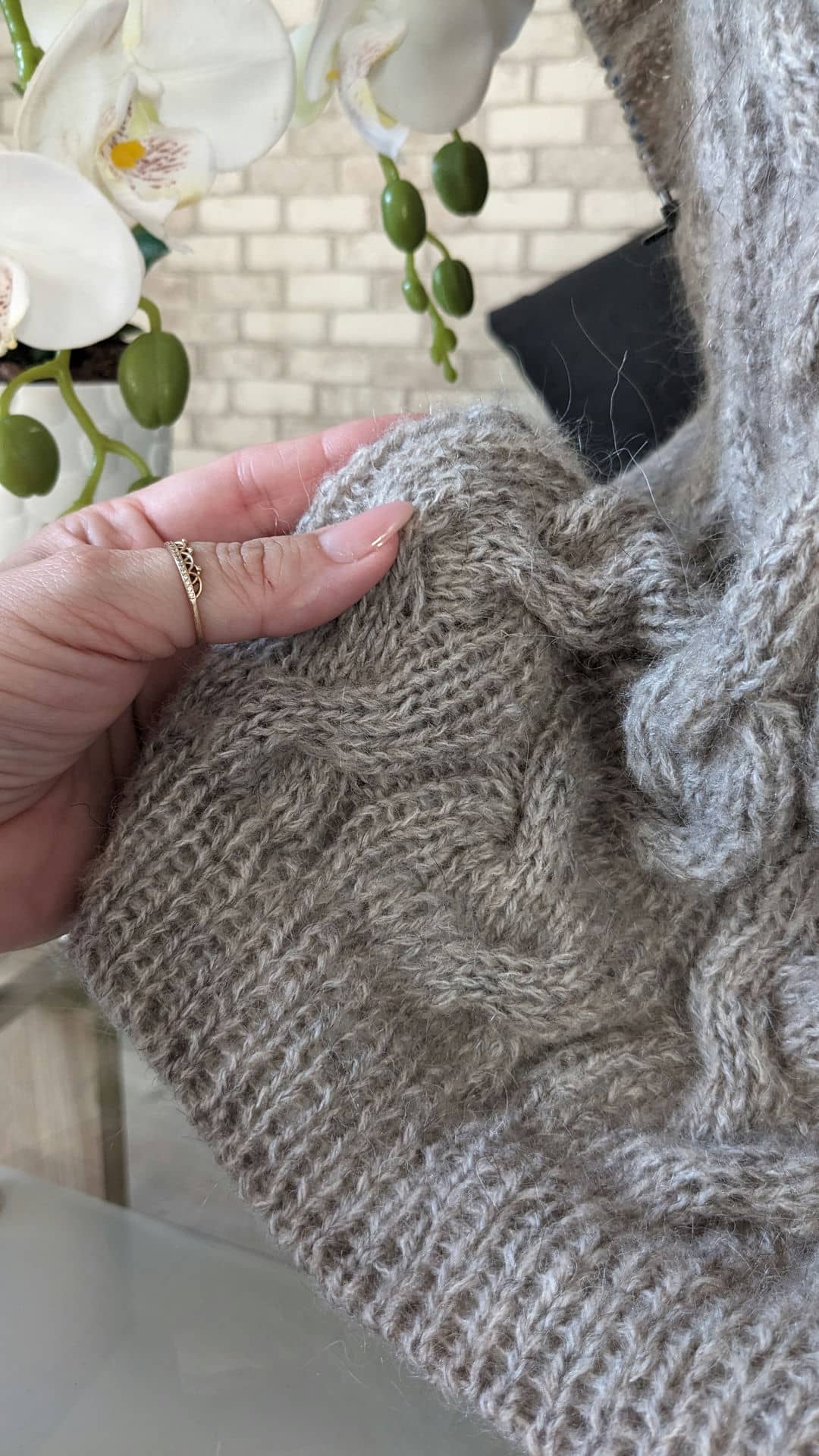
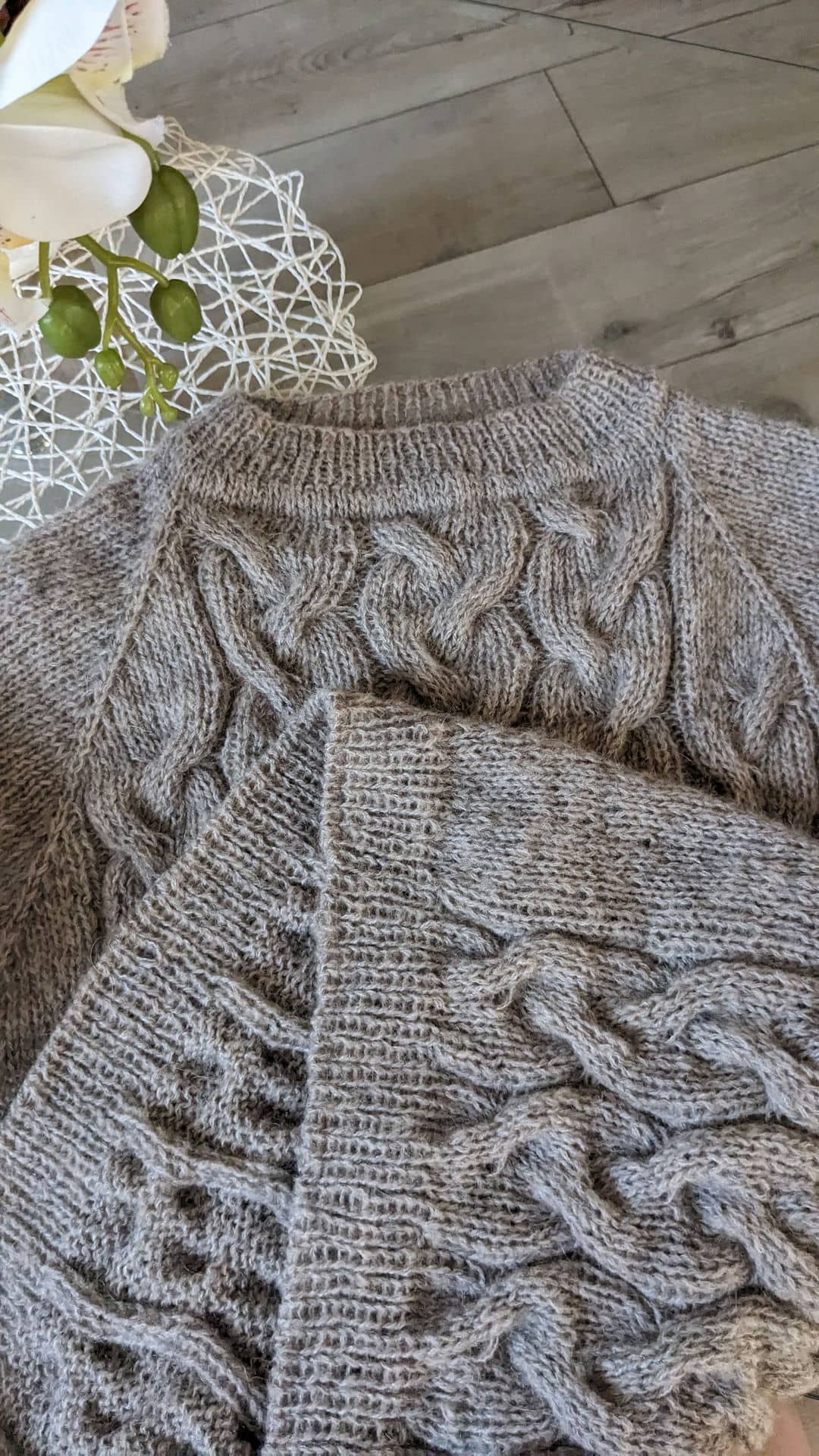
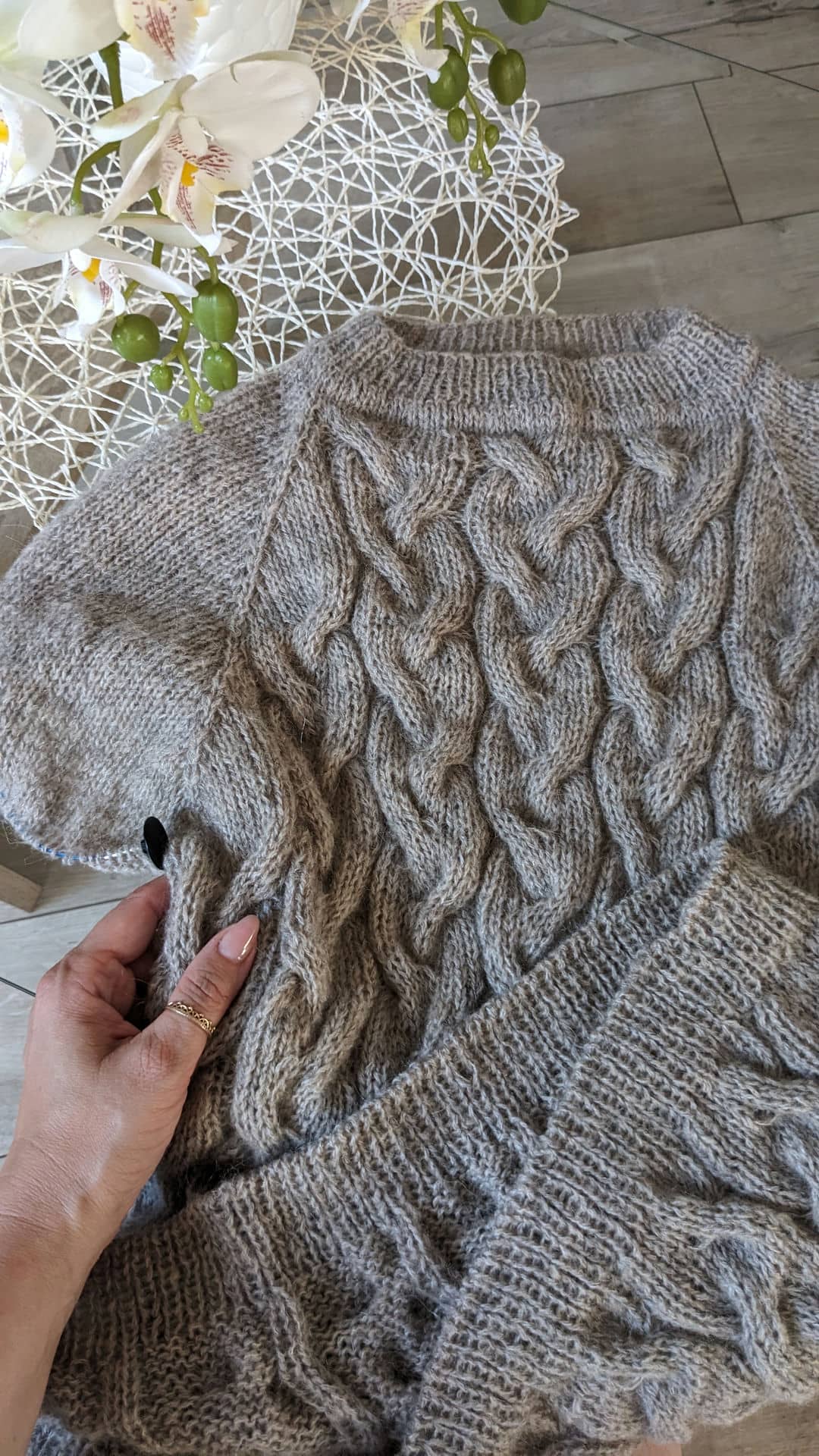
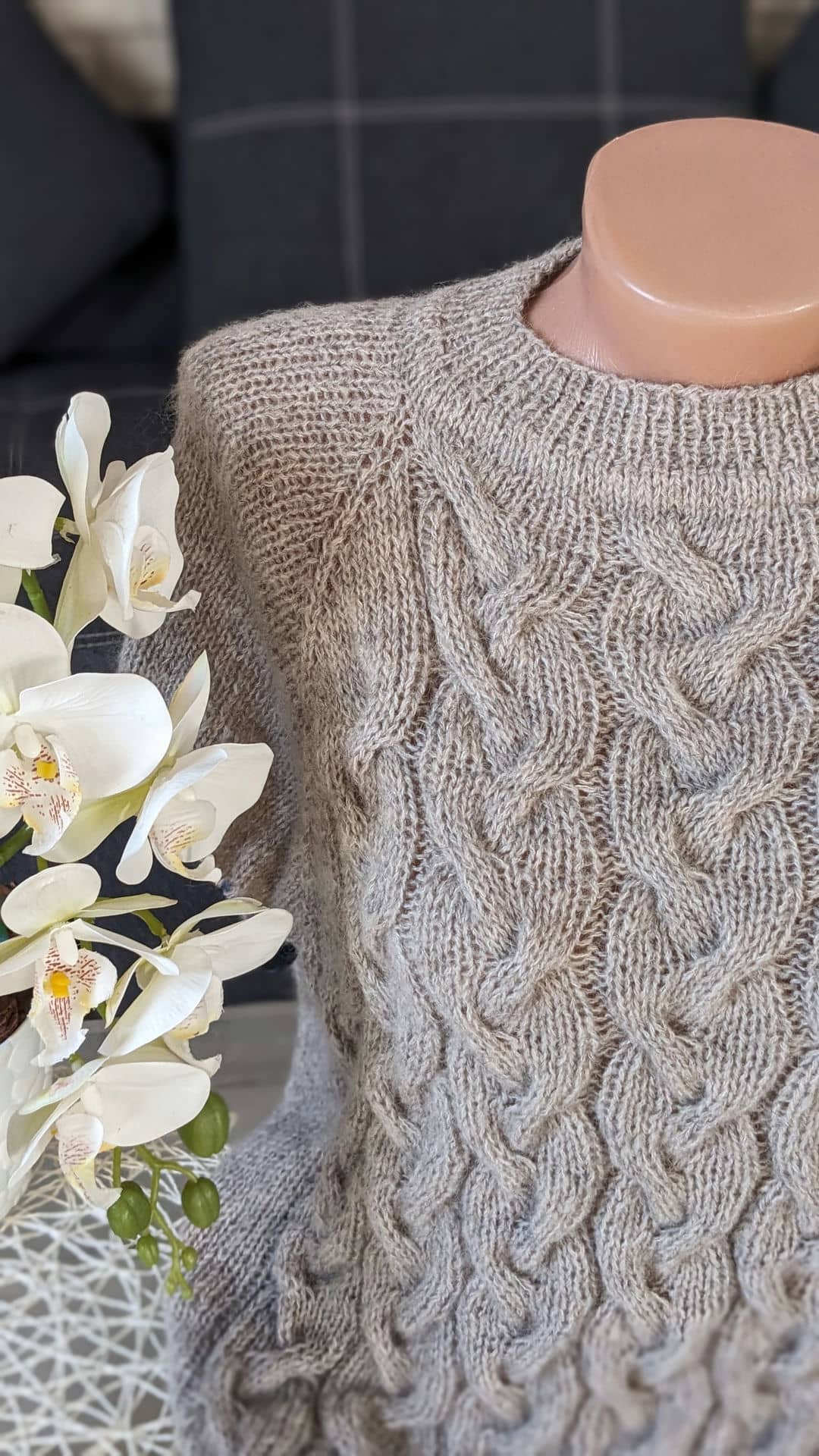
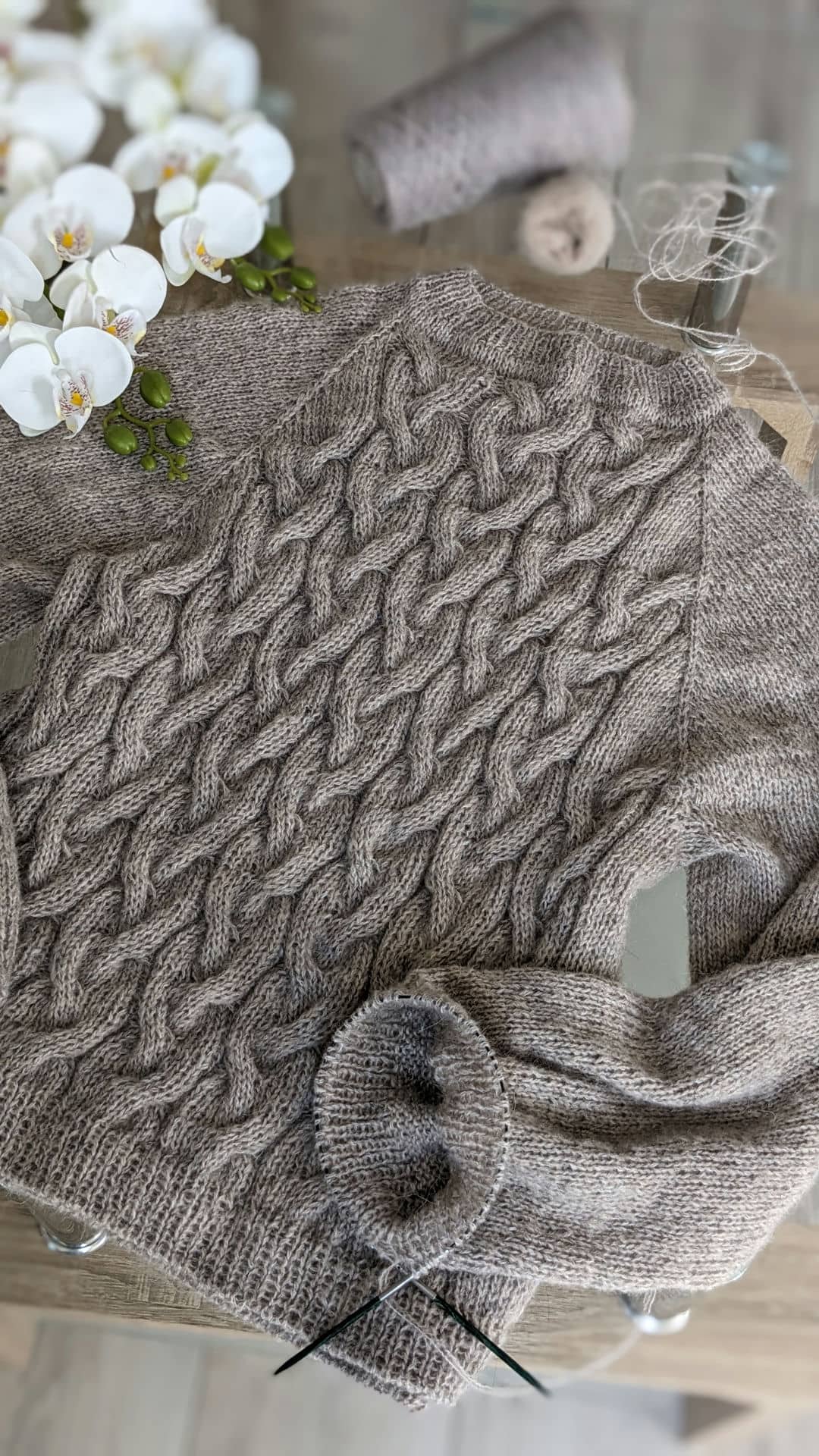
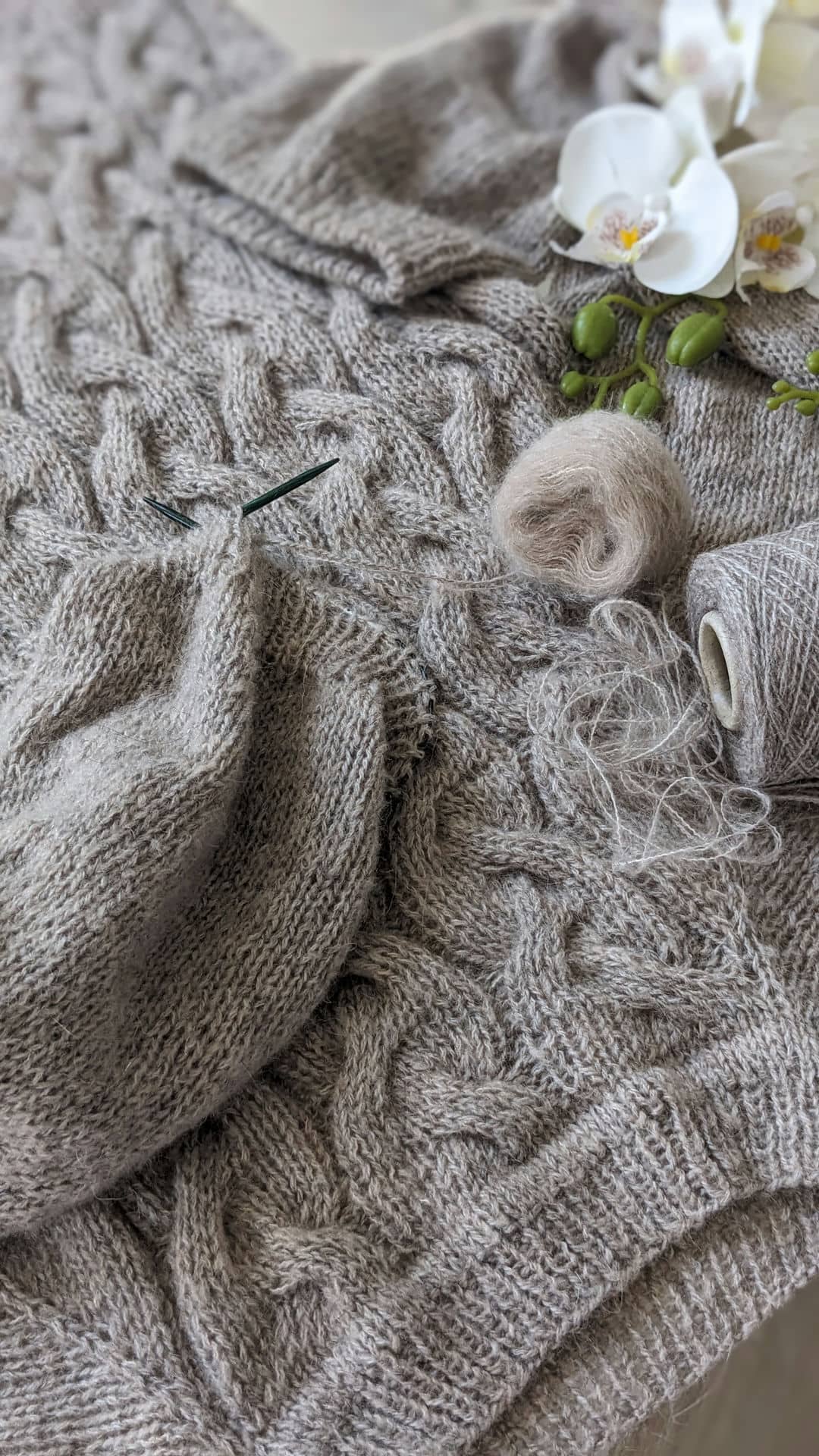
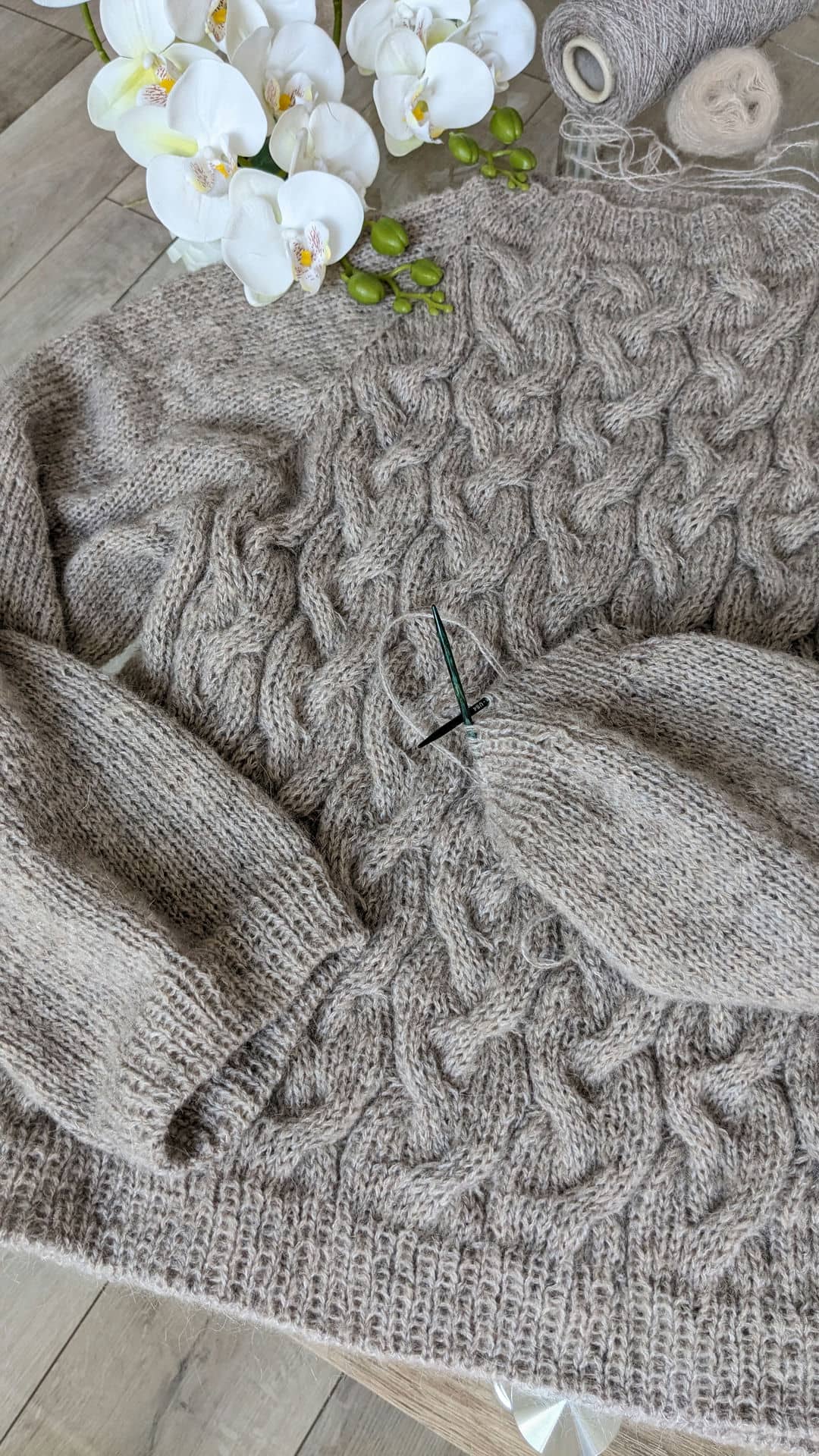
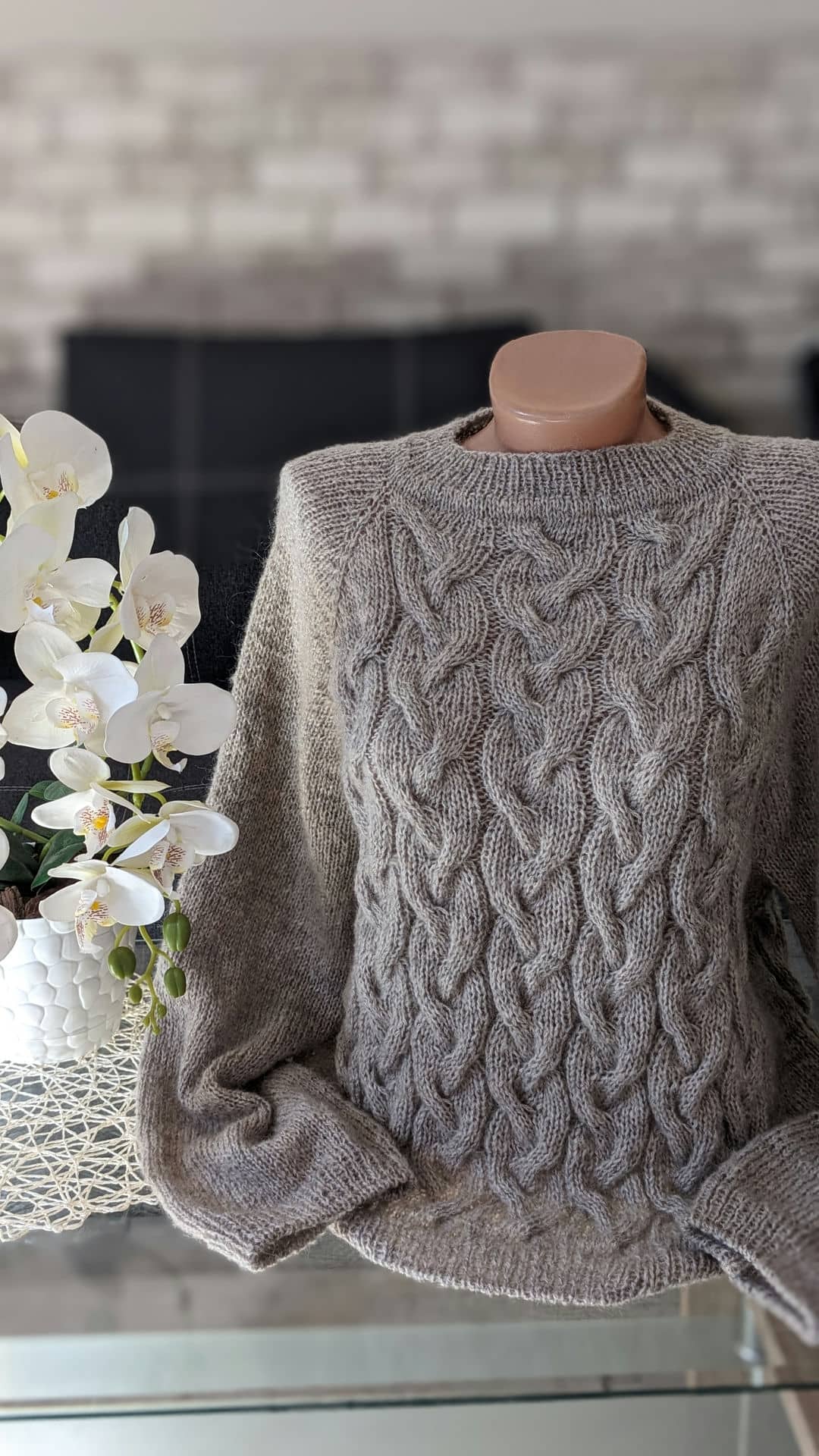
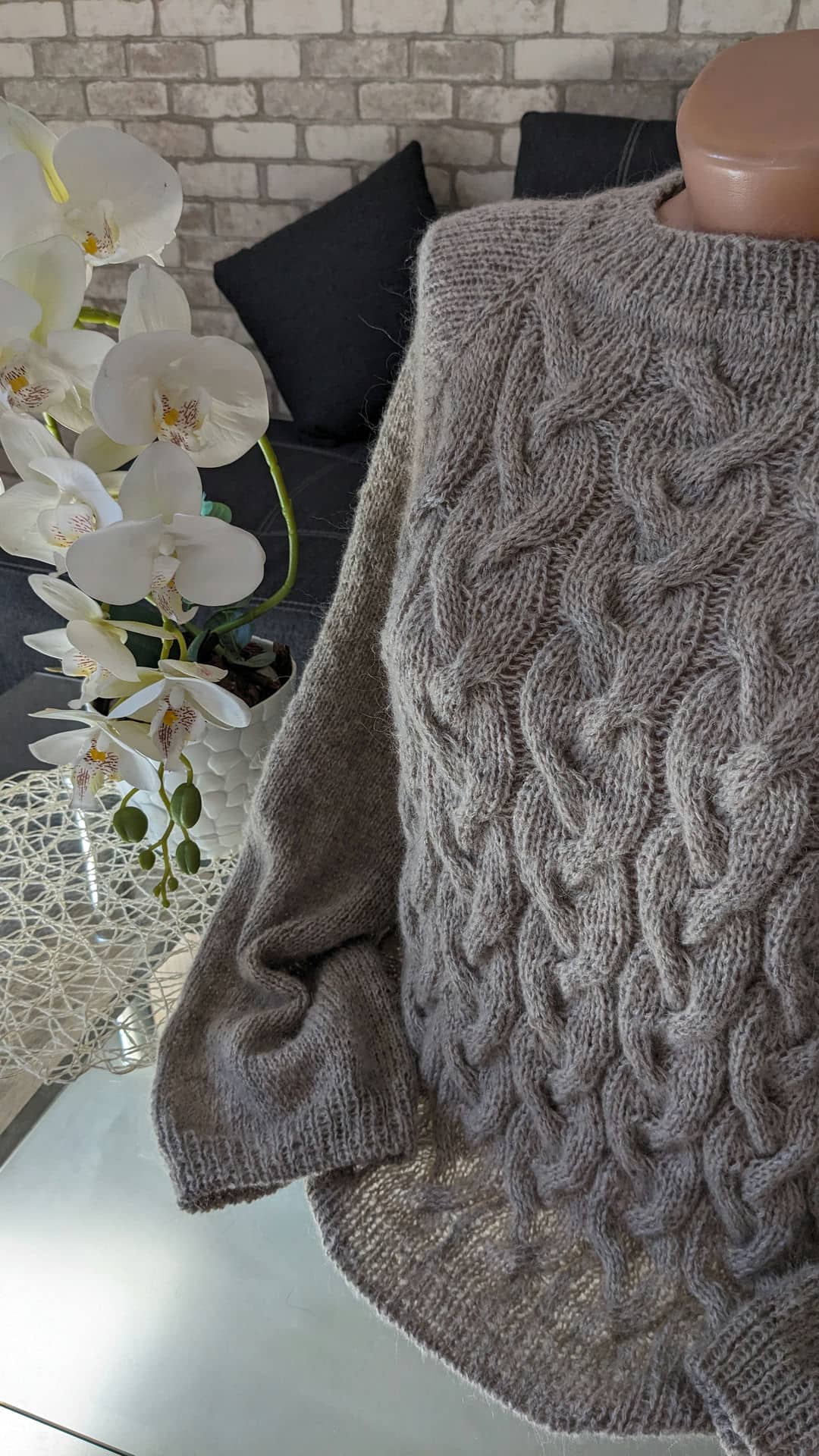
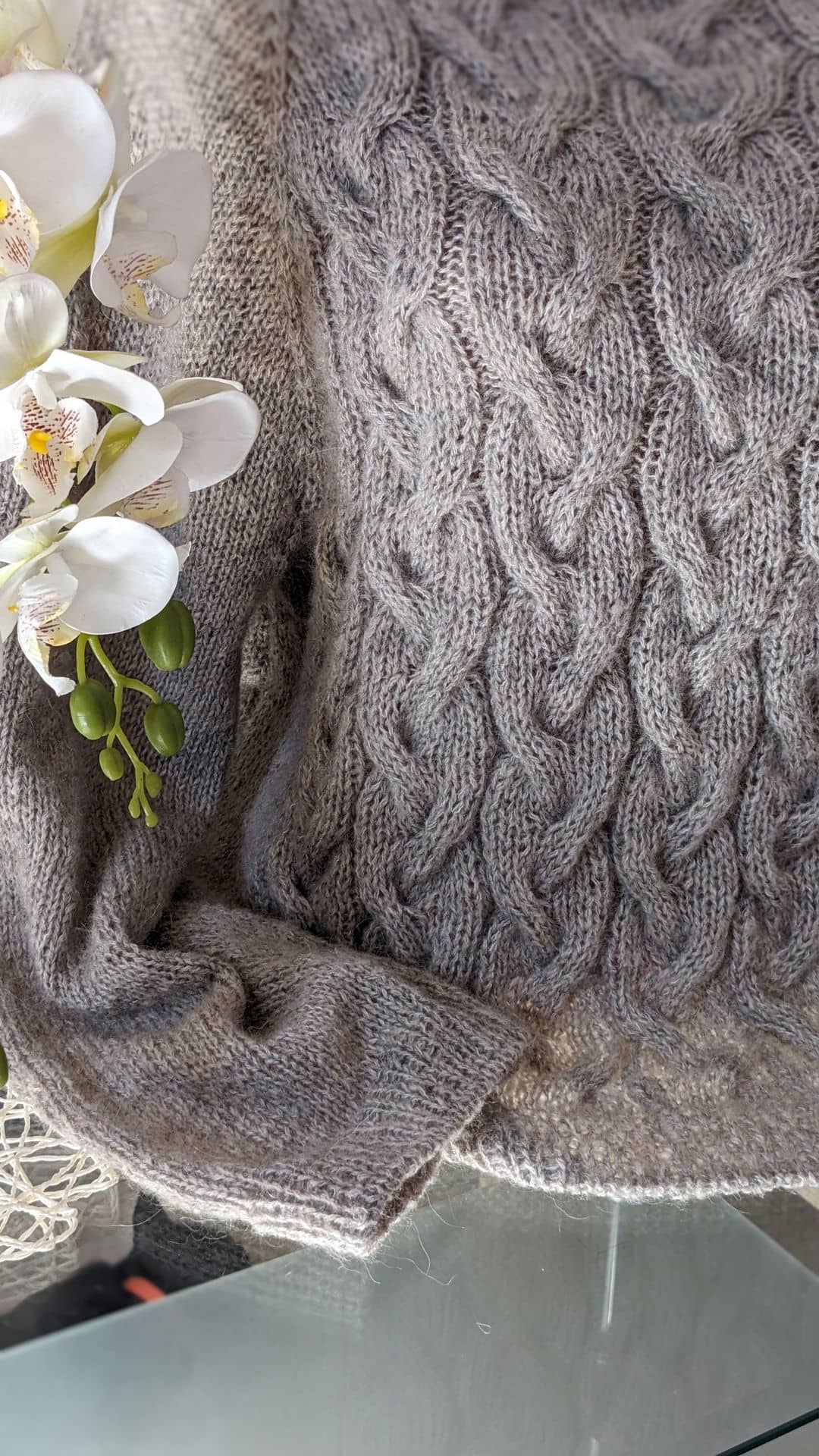
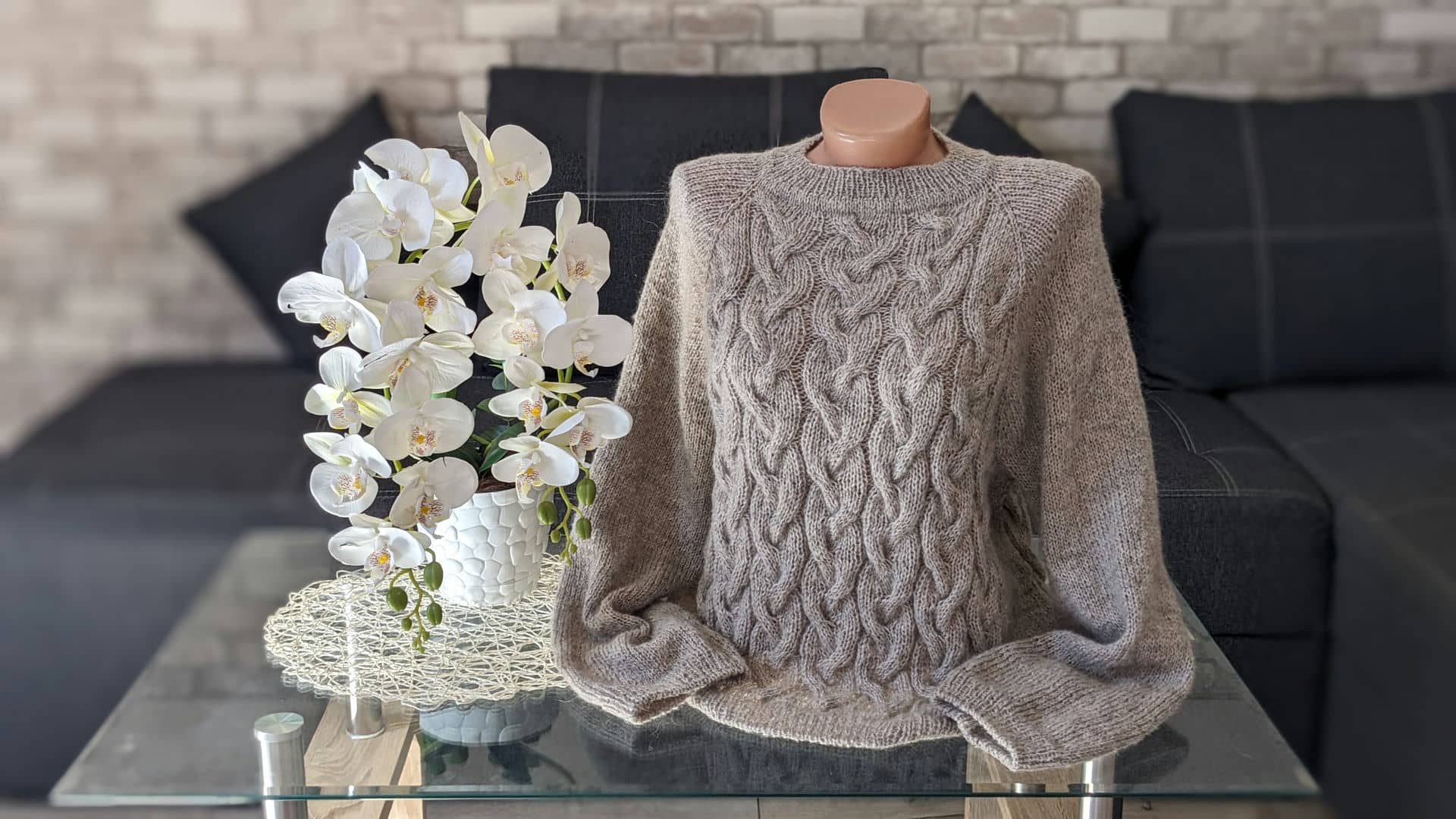
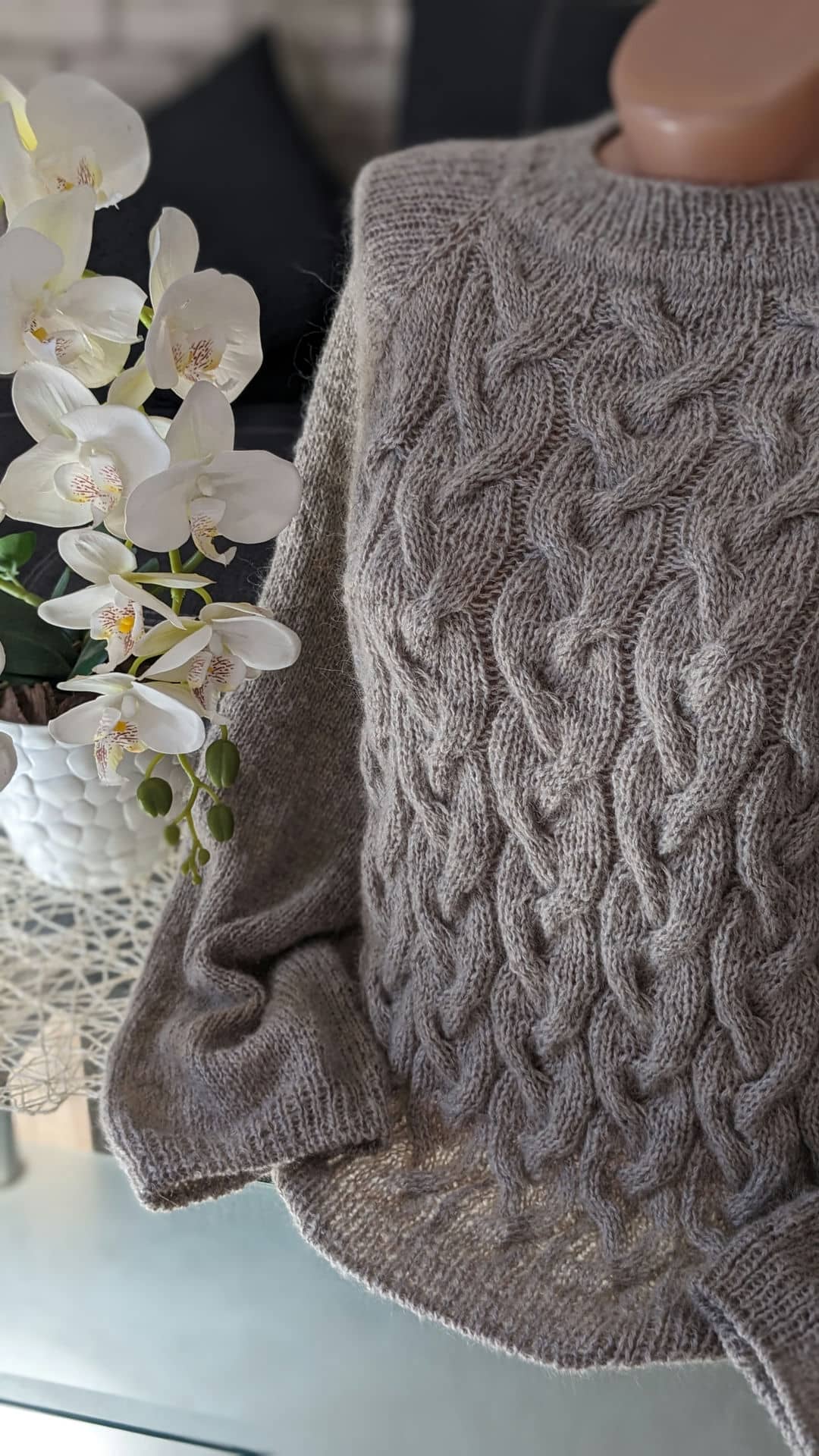
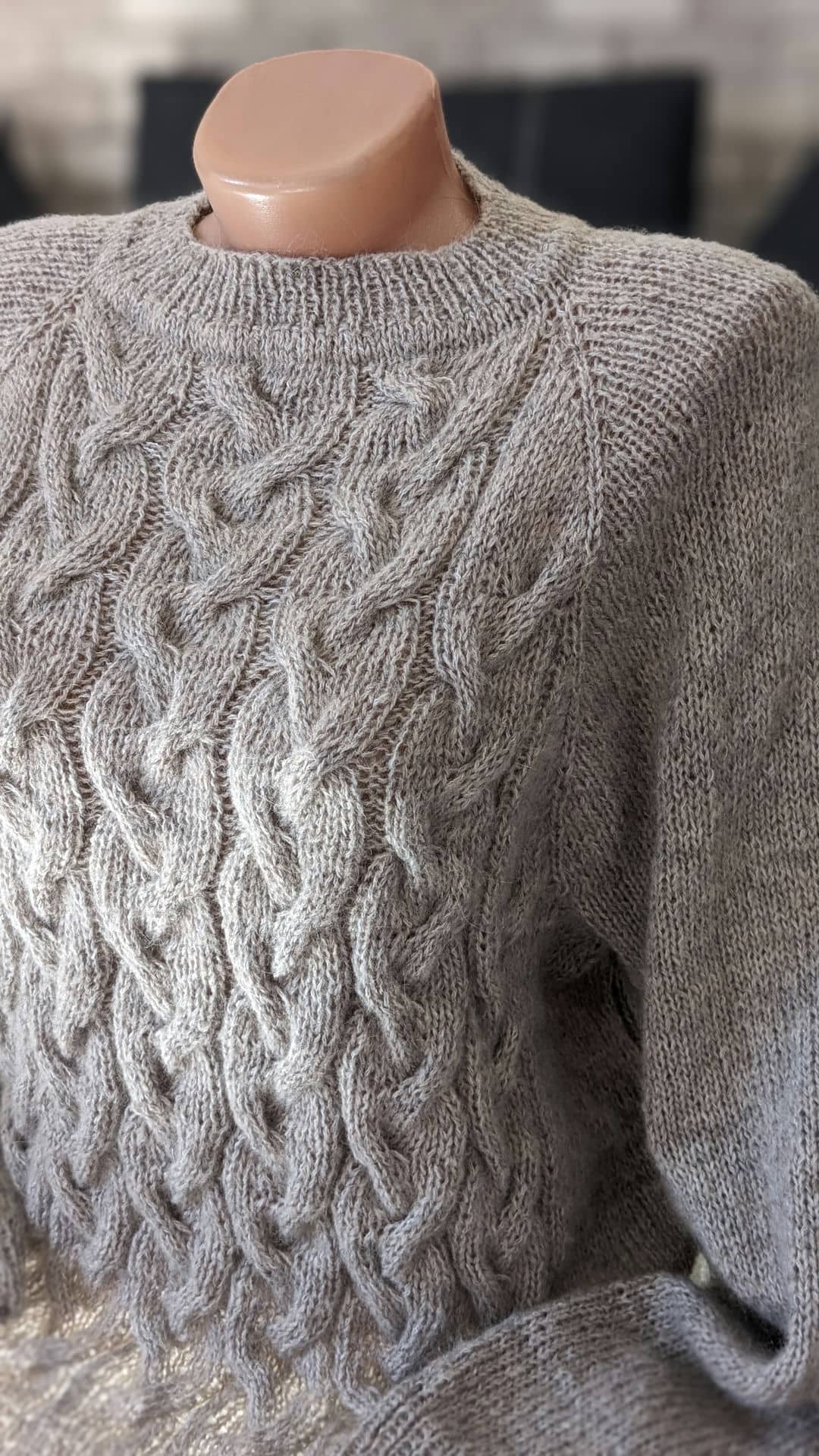
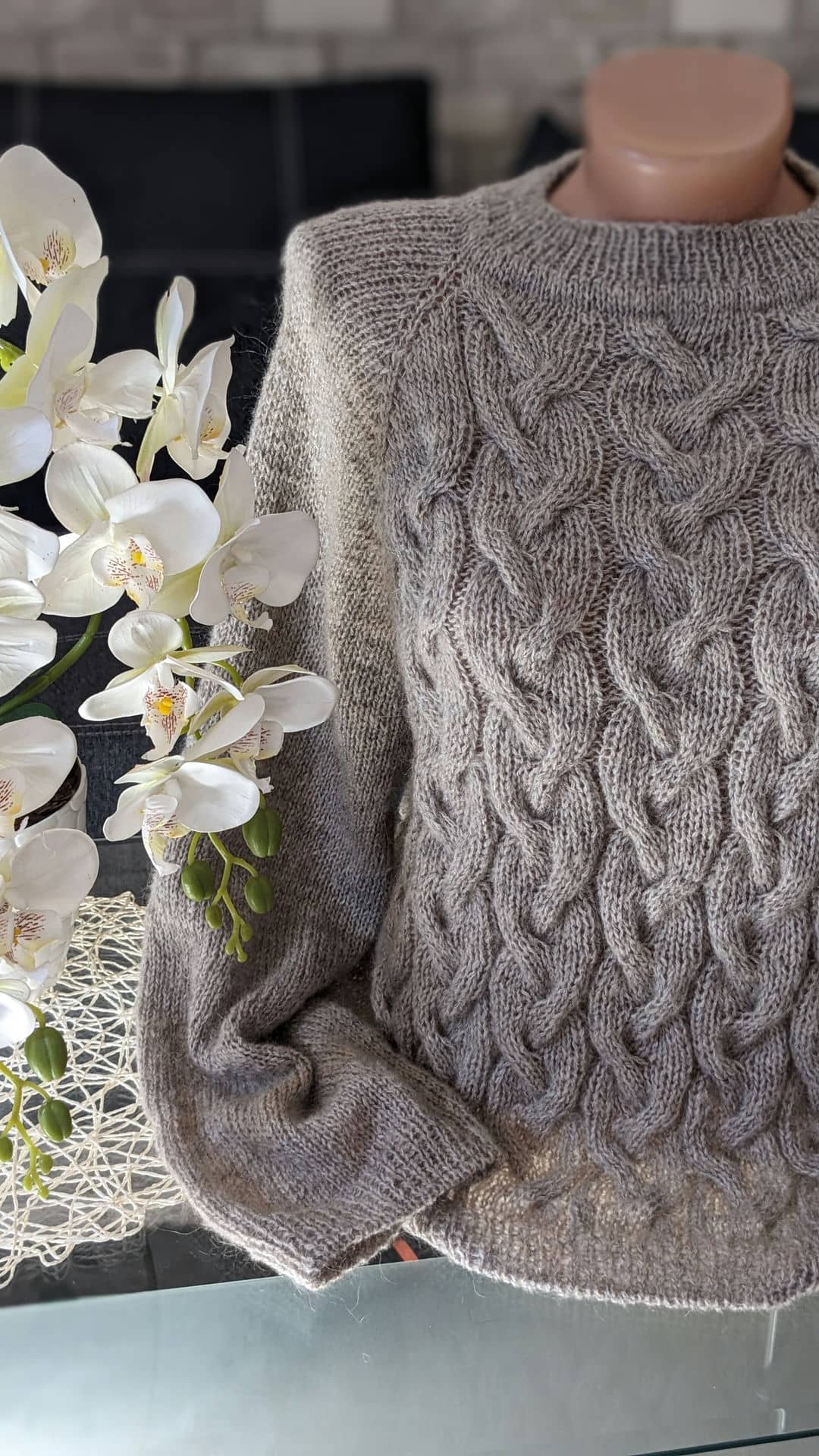
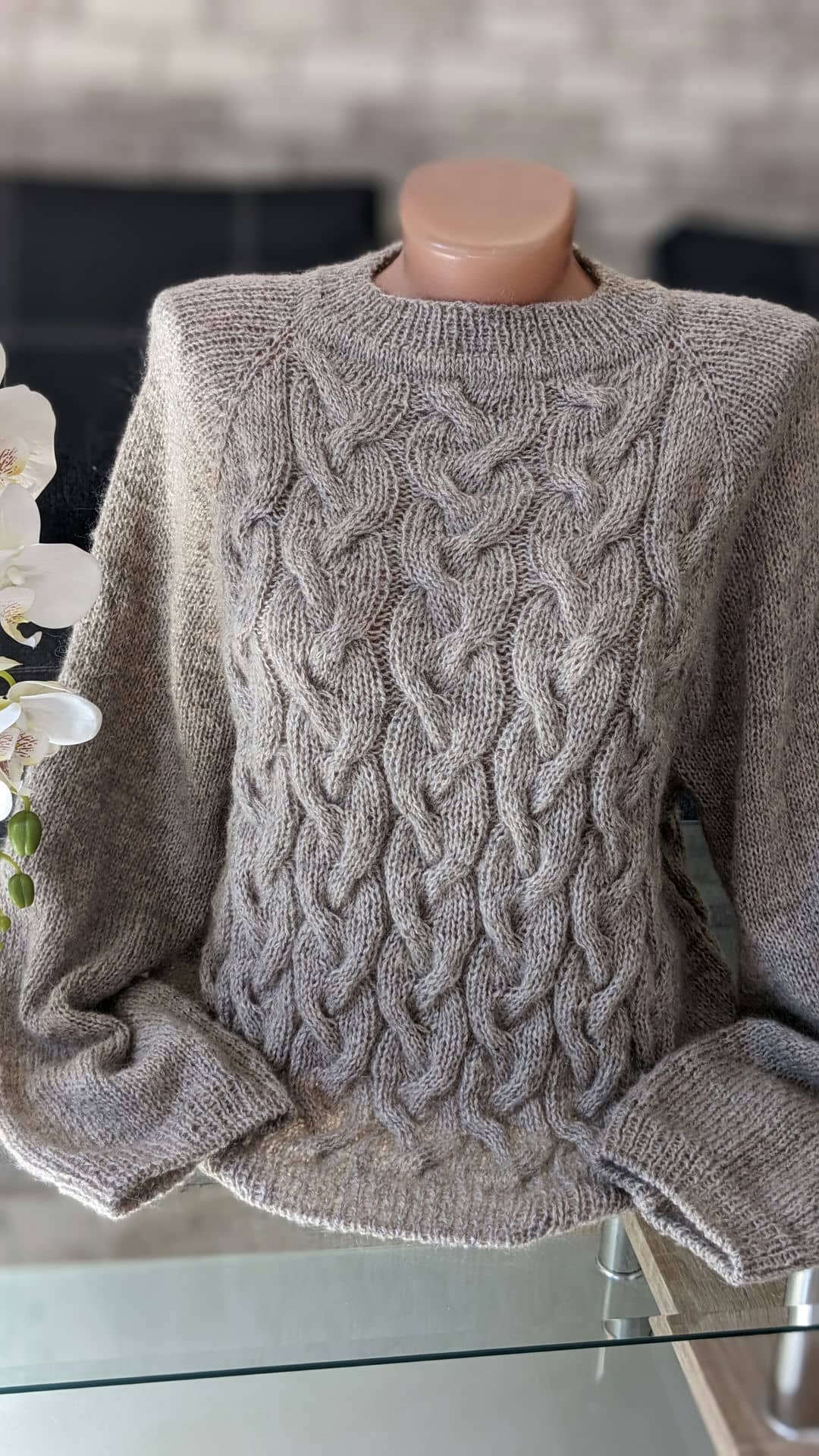
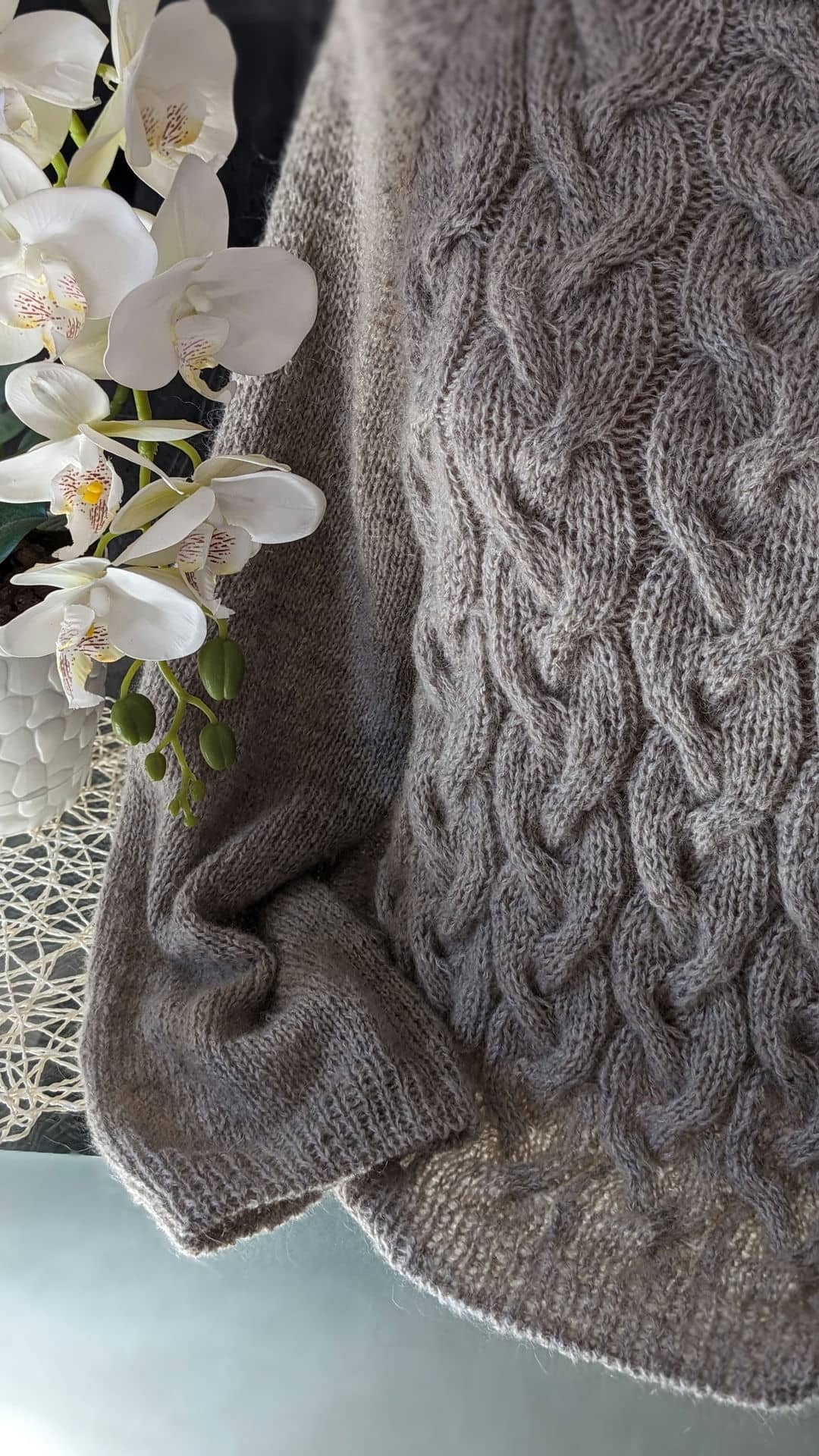
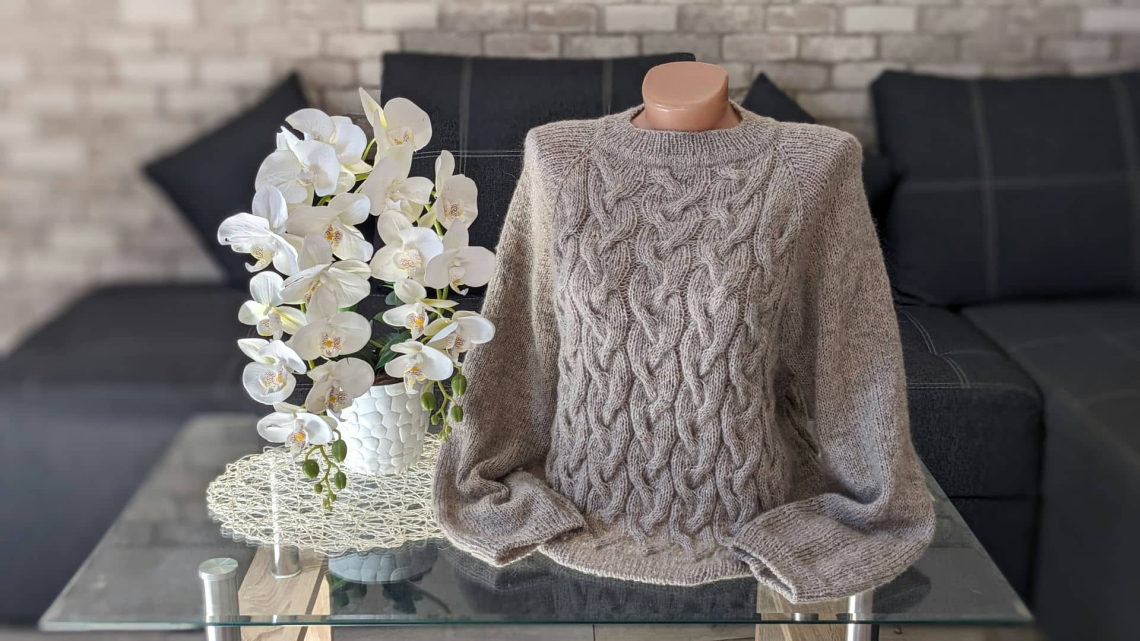
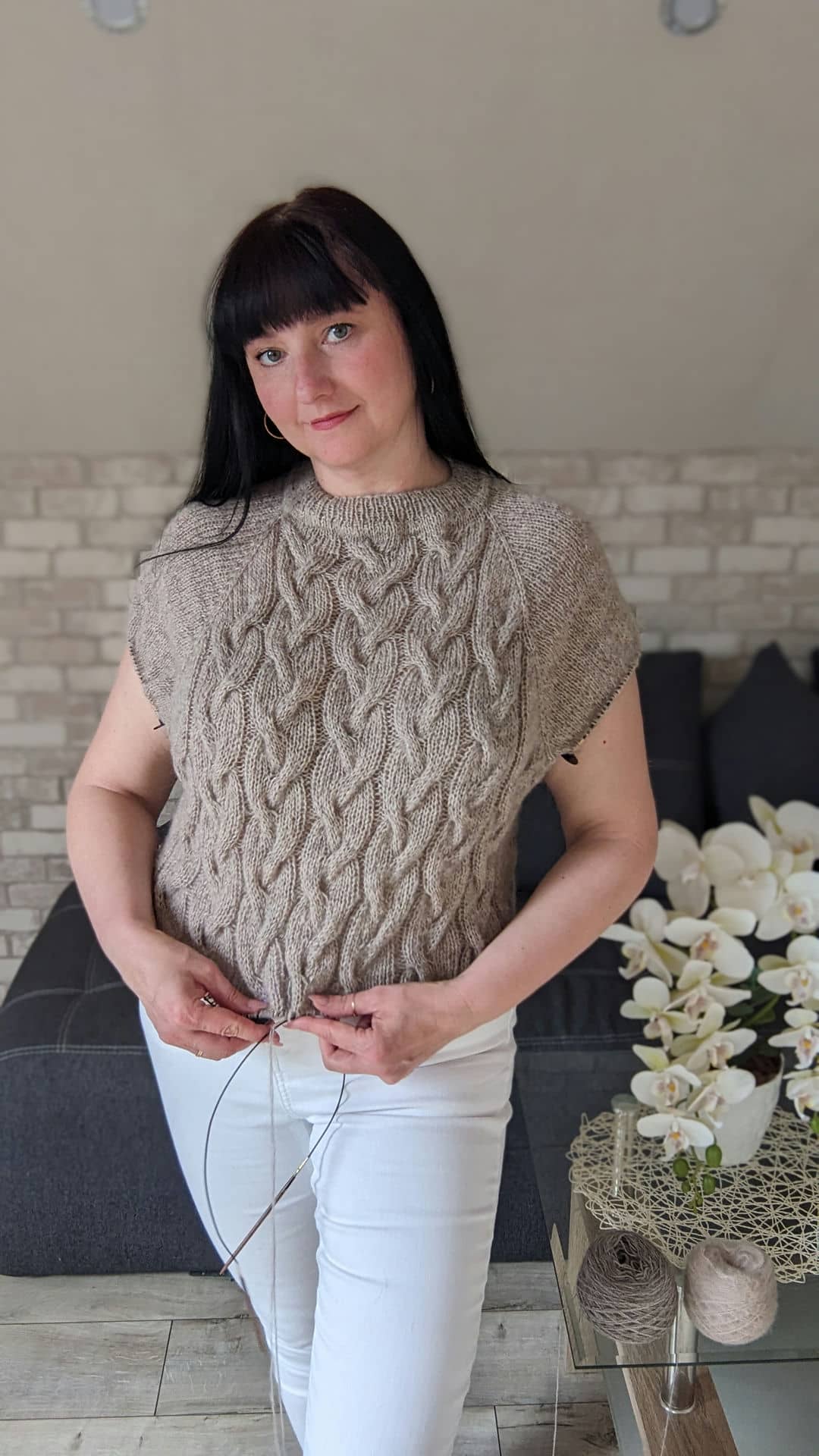
Sweater “Kuzhil” combines comfort, quality and the aesthetics of modern knitting. Worked as a top-down raglan, it has a straight, relaxed silhouette that flatters every figure and slips easily into an everyday wardrobe. The body is decorated with textured cables that add expression, volume and character, while the sleeves are plain stockinette so the look isn’t overloaded.

The yarn is a blend of mohair and merino that gives softness, lightness and pleasant warmth. The sweater feels like an airy layer wrapped around the body without weighing it down. The refined beige melange lends the piece a natural look and versatility, and it pairs easily with basics as well as with more complex outfits.
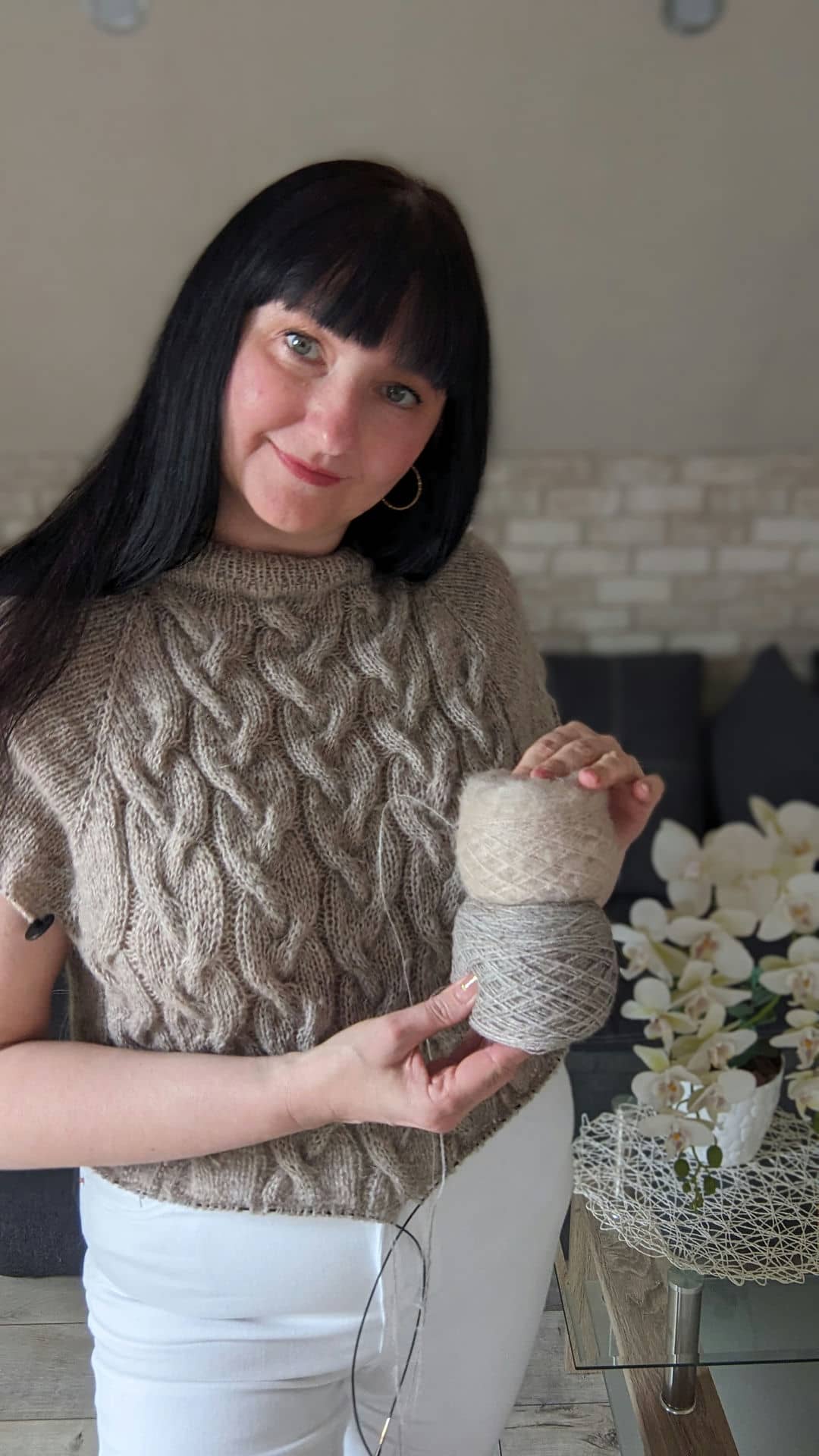
The name “Kuzhil” (a distaff, the tool for spinning) is a reminder of the flow of fashion, of meaning in details and of warmth that has a shape of its own.

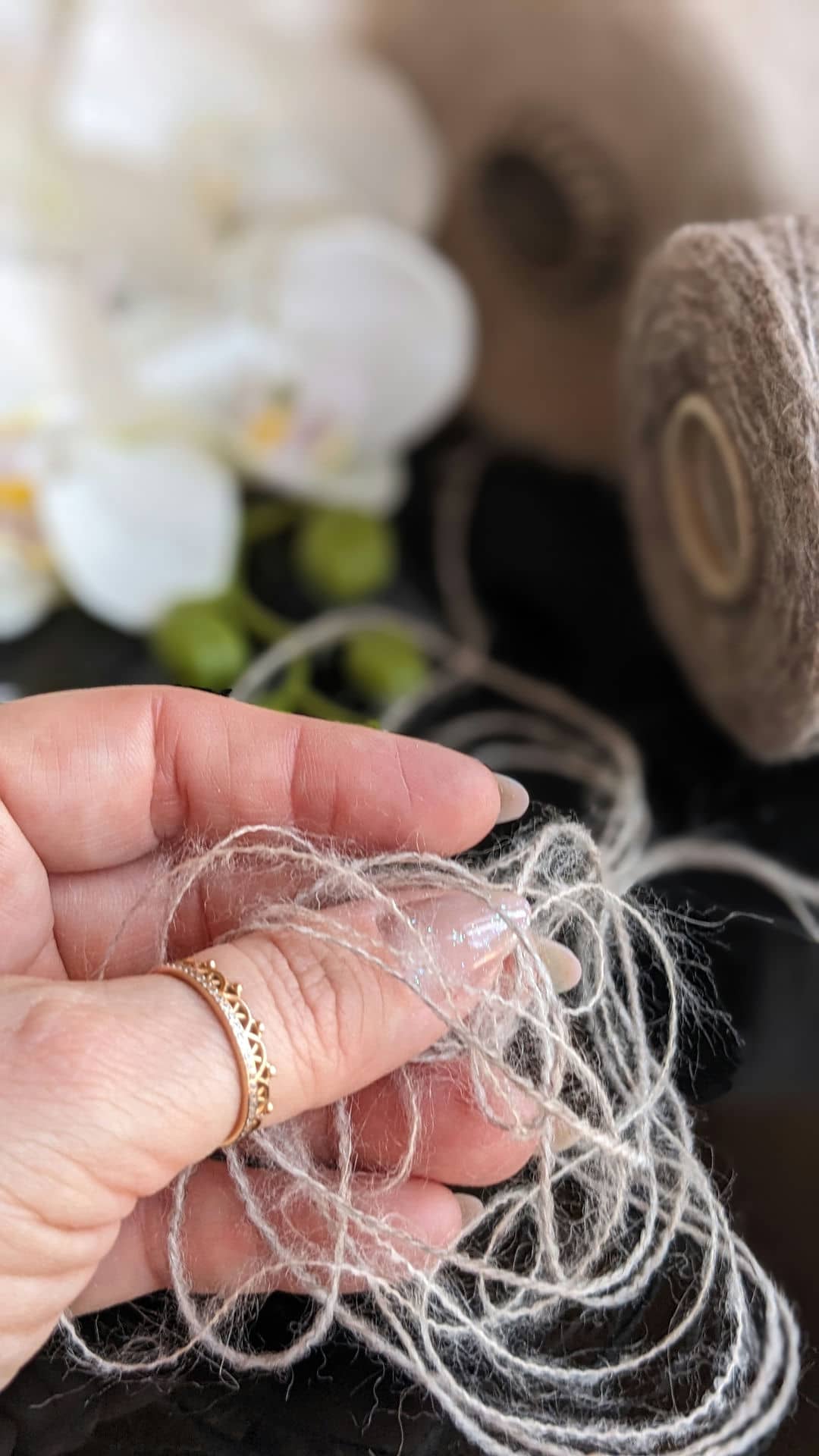
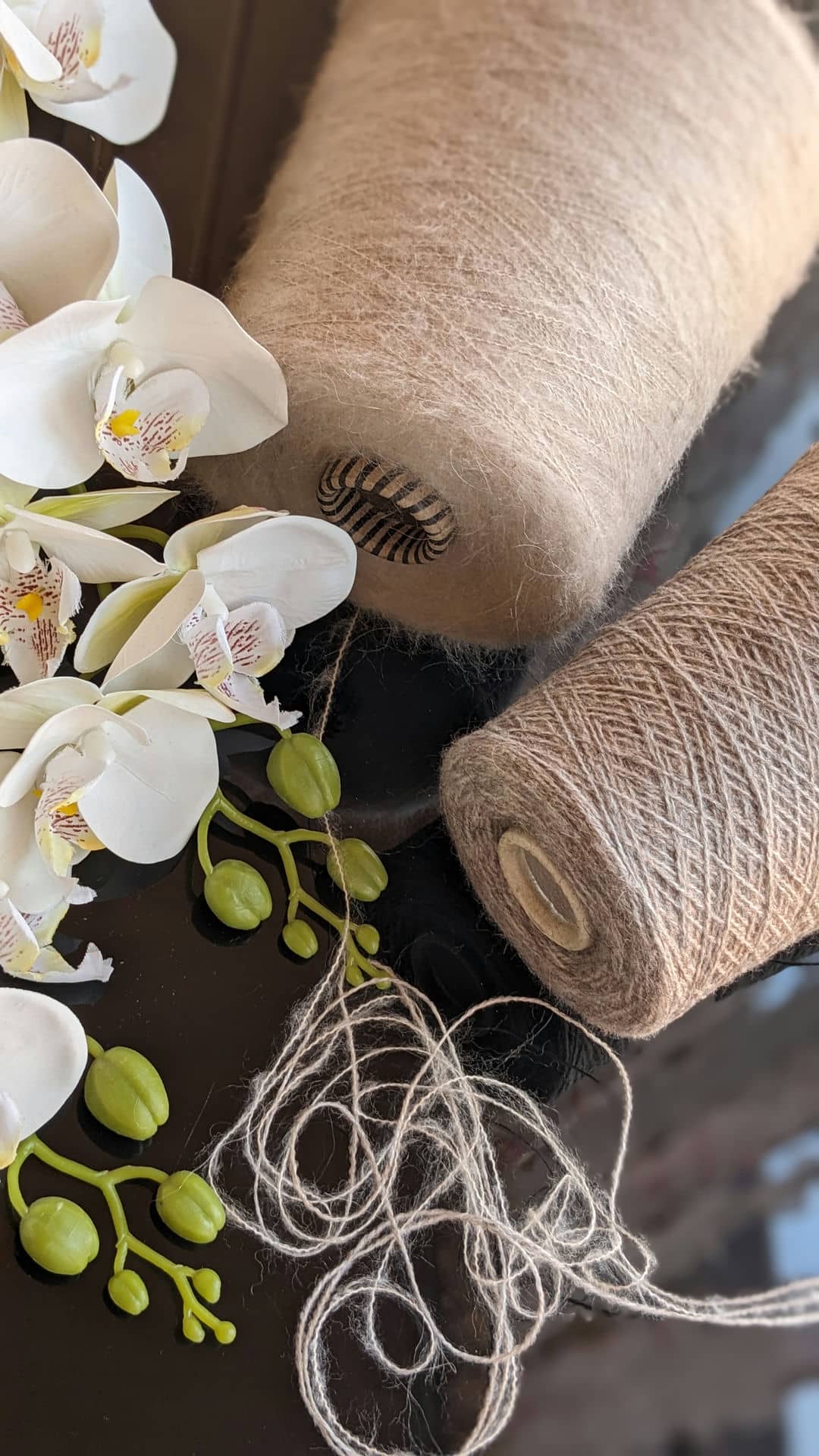
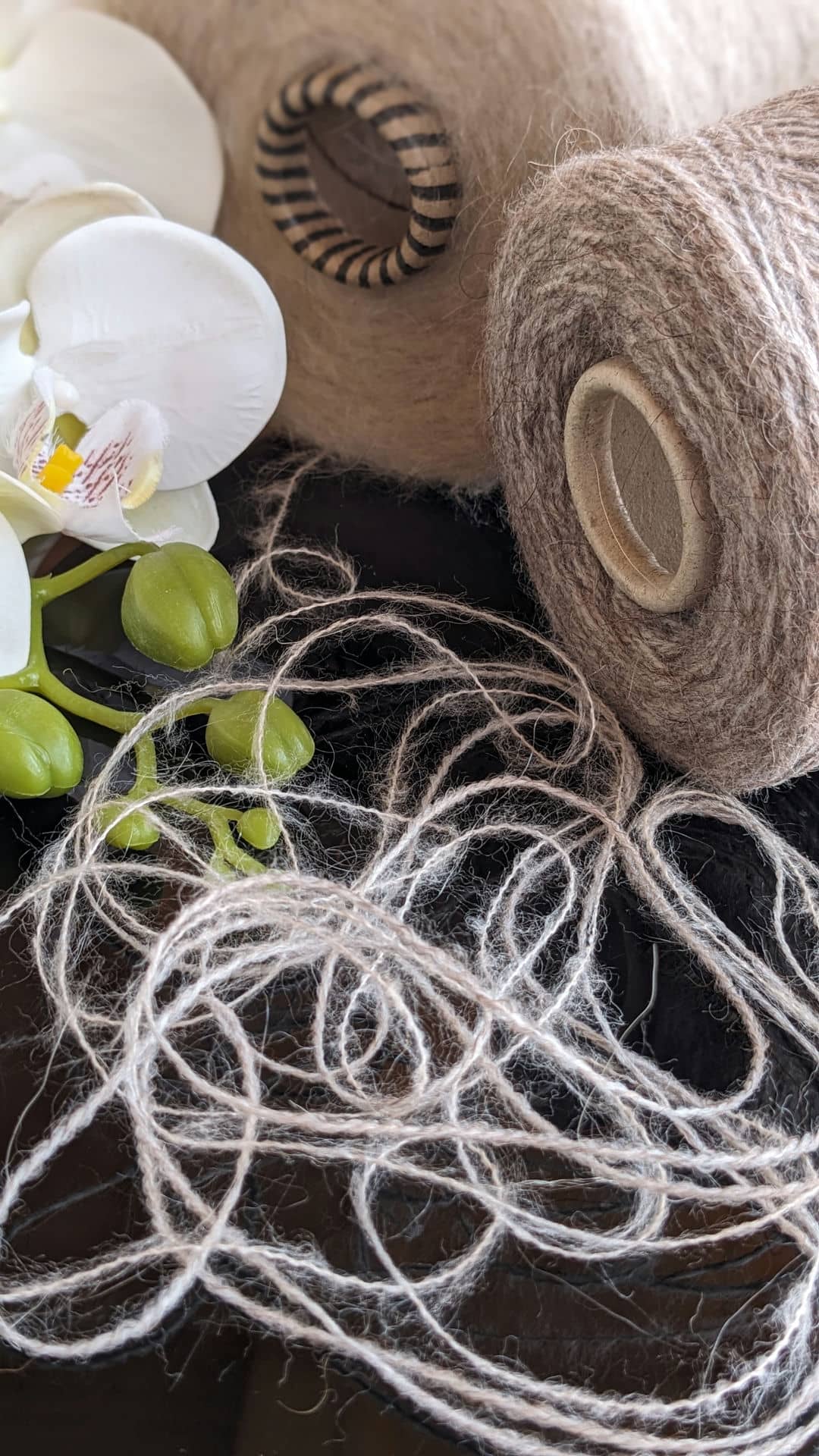
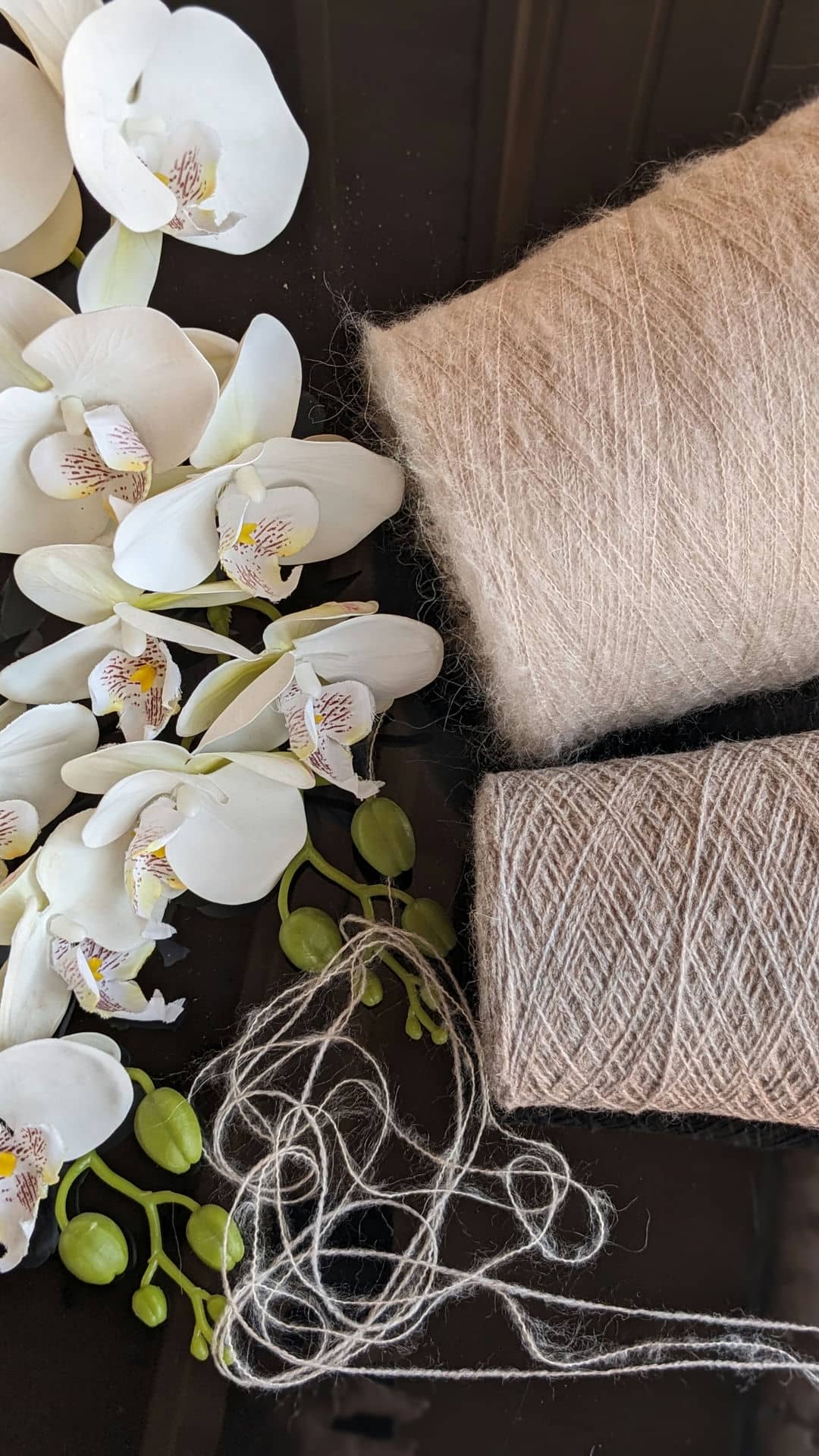
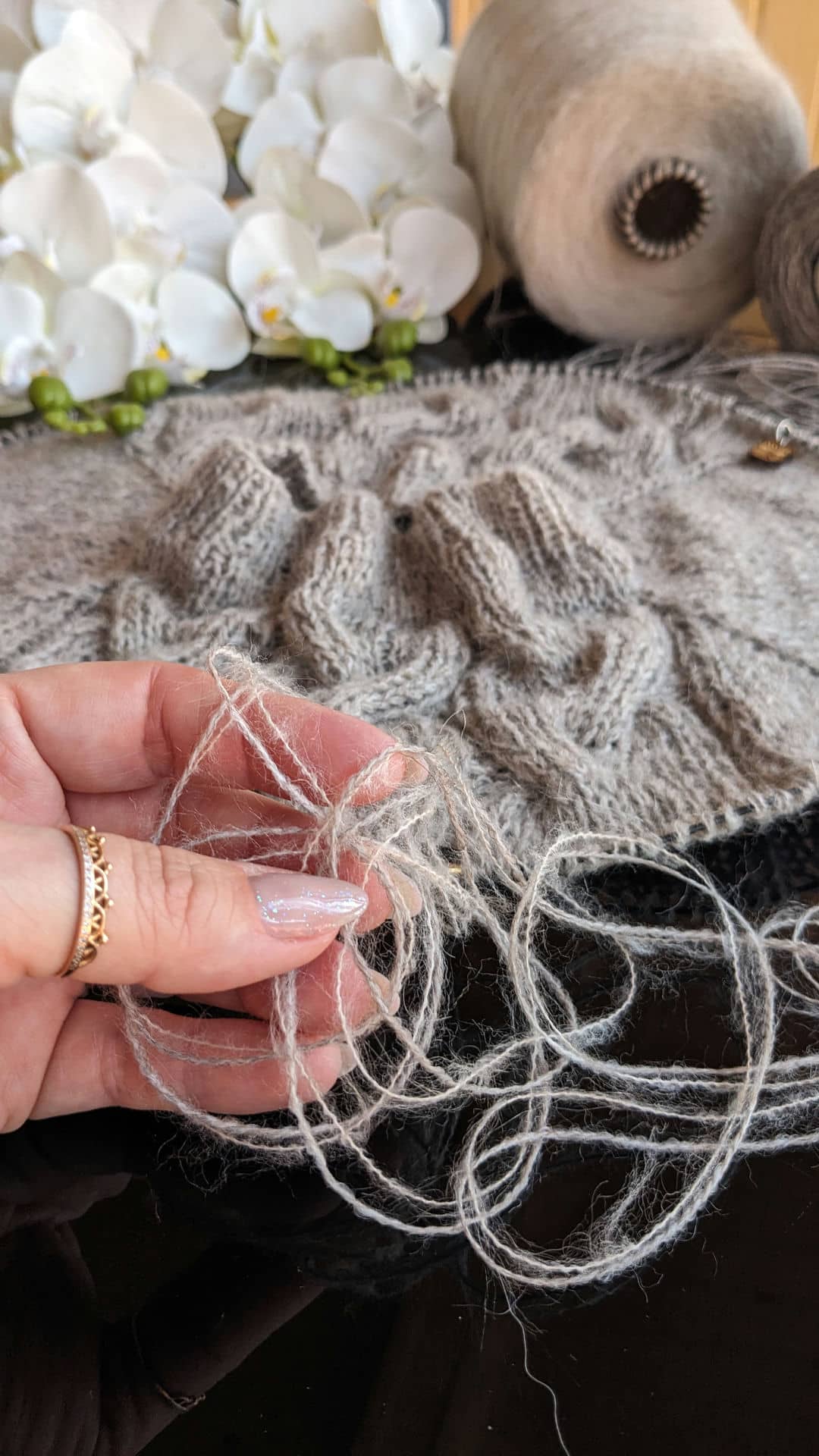
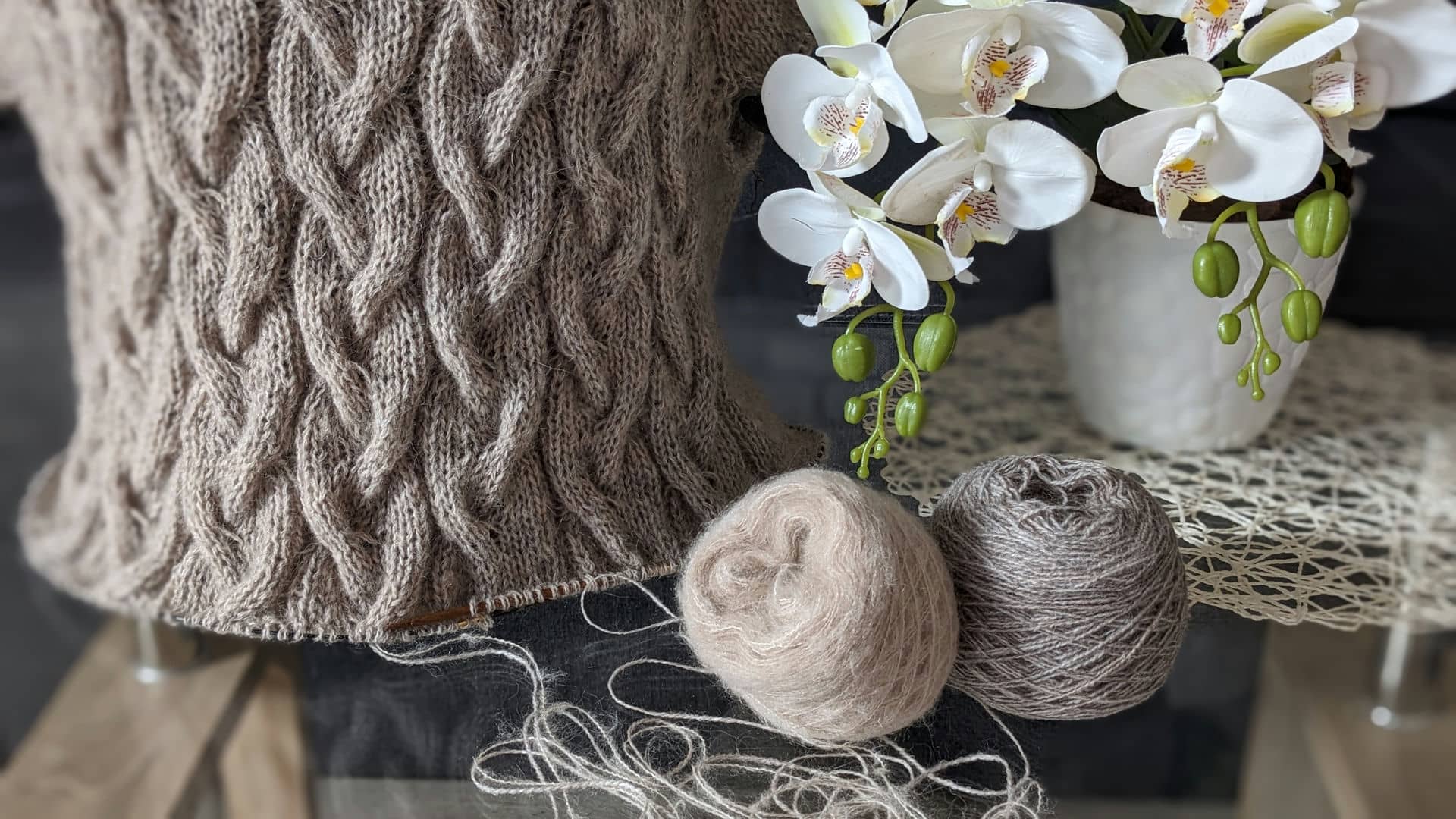
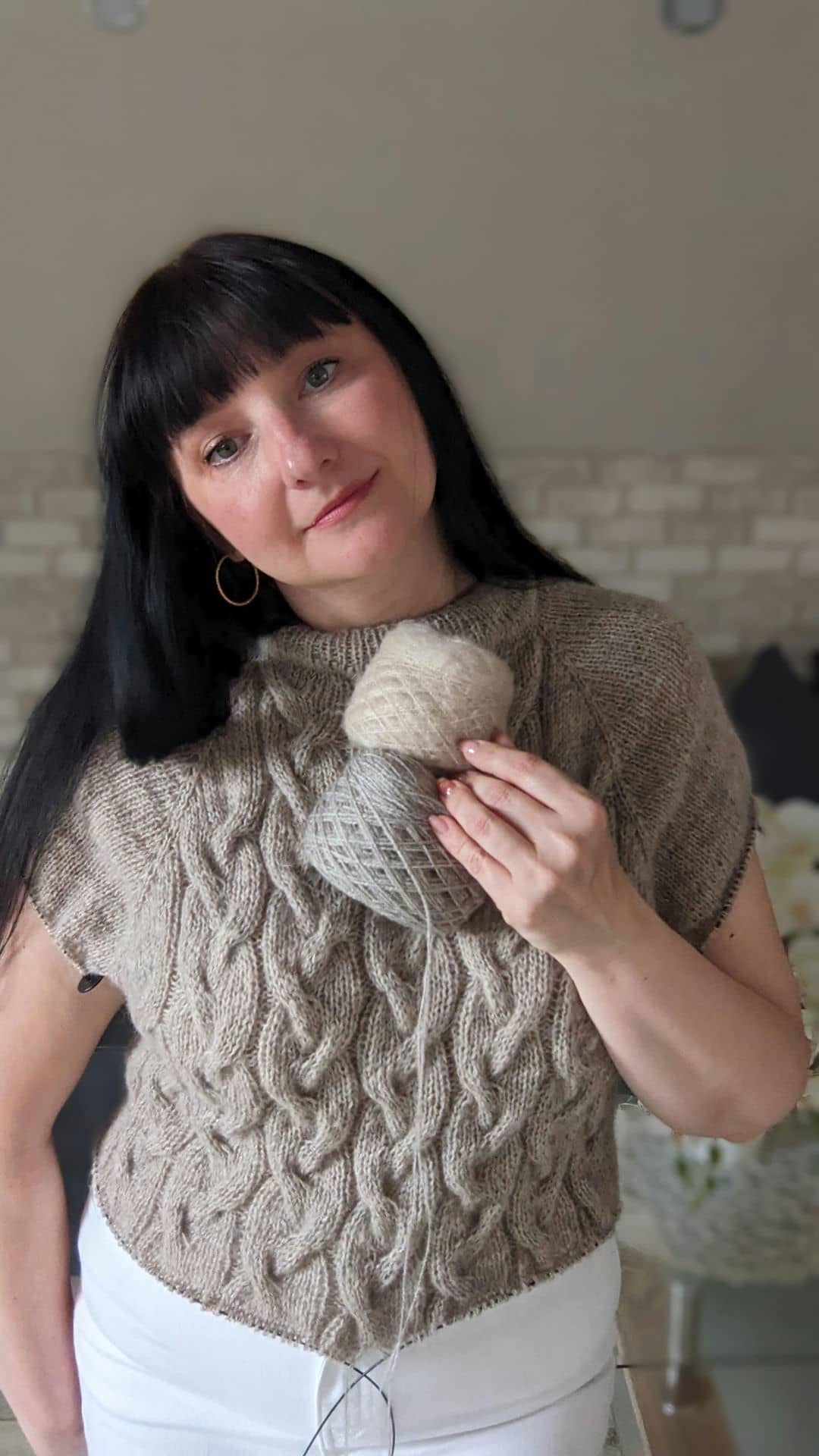
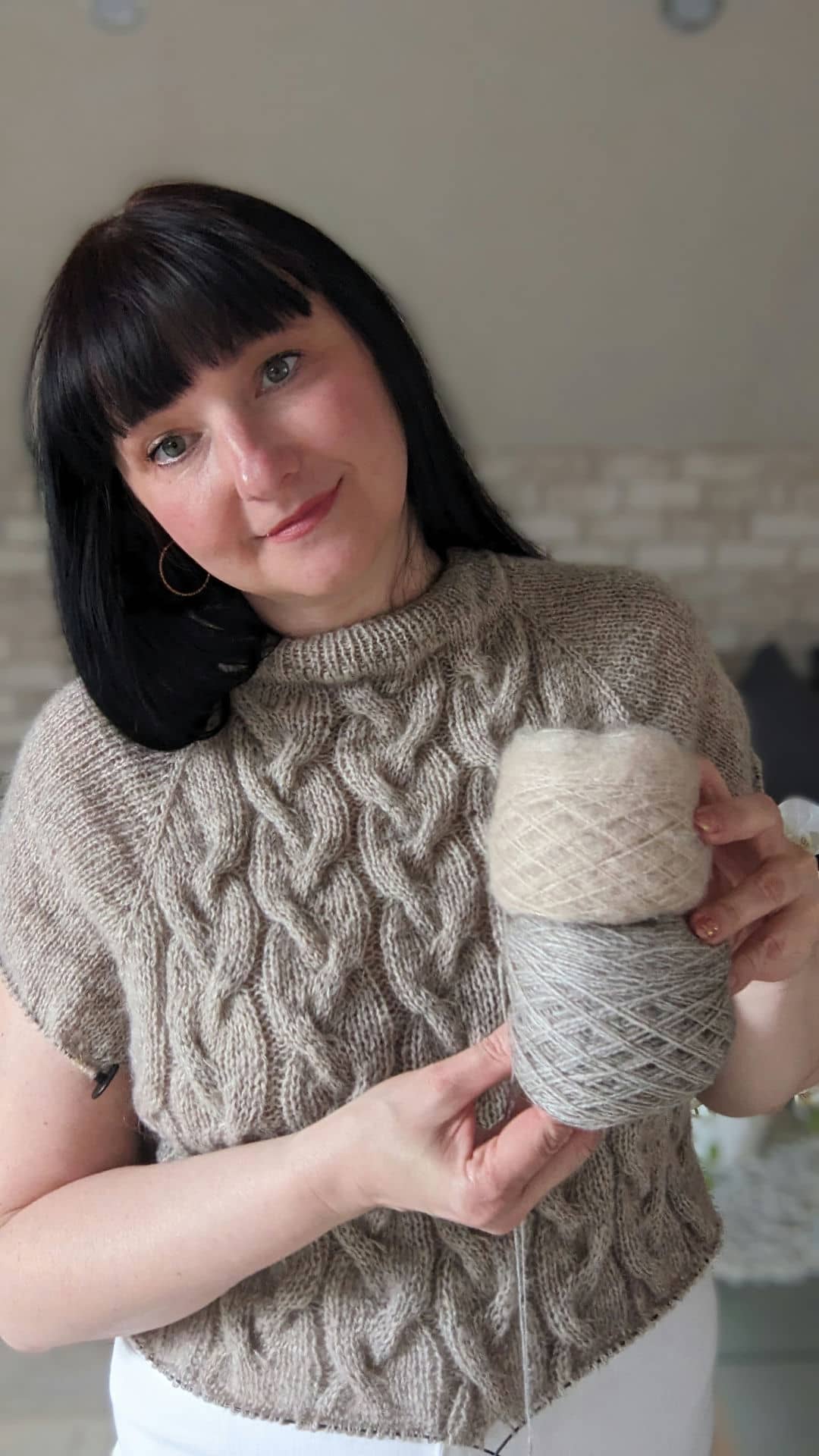
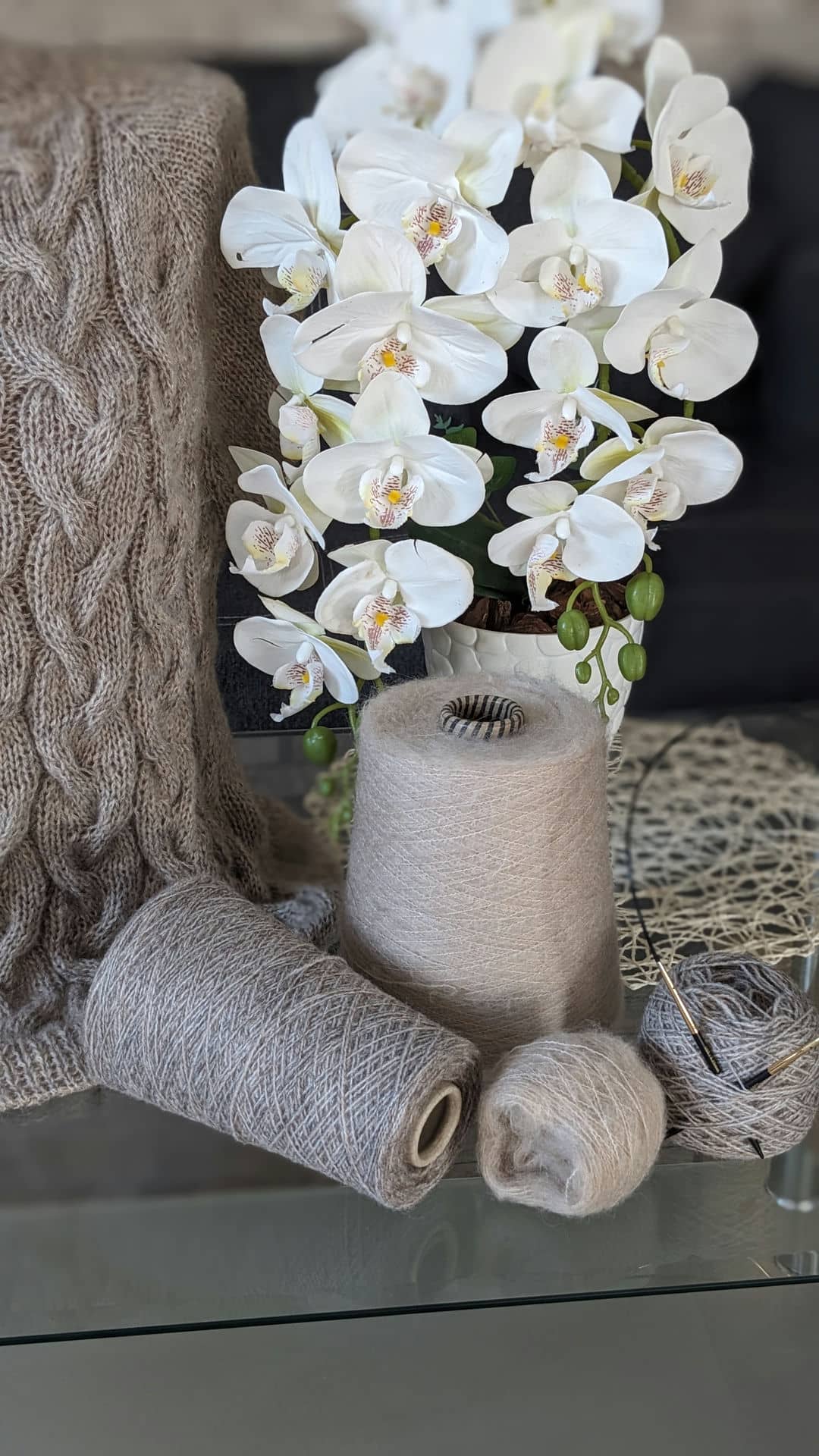
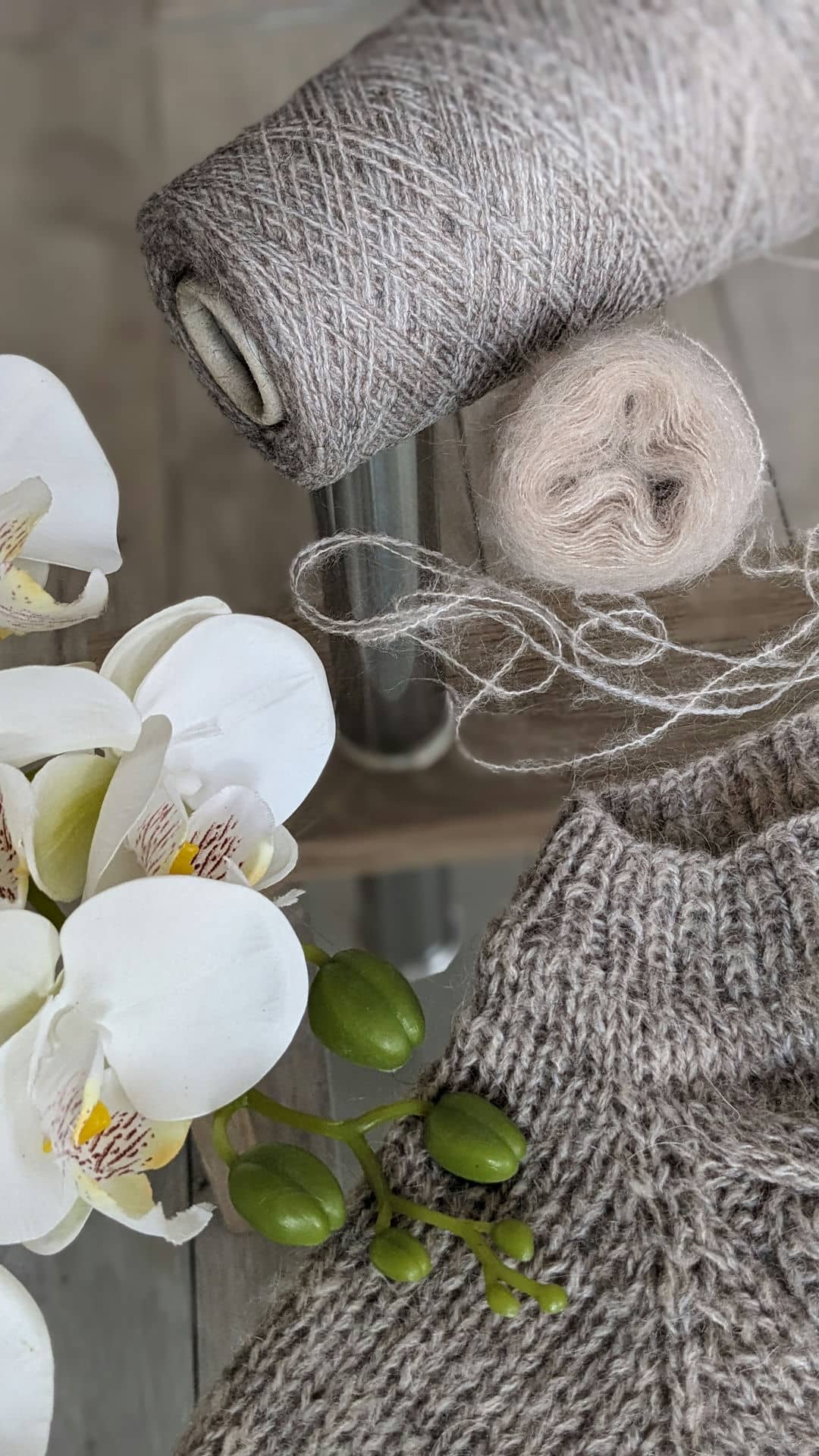
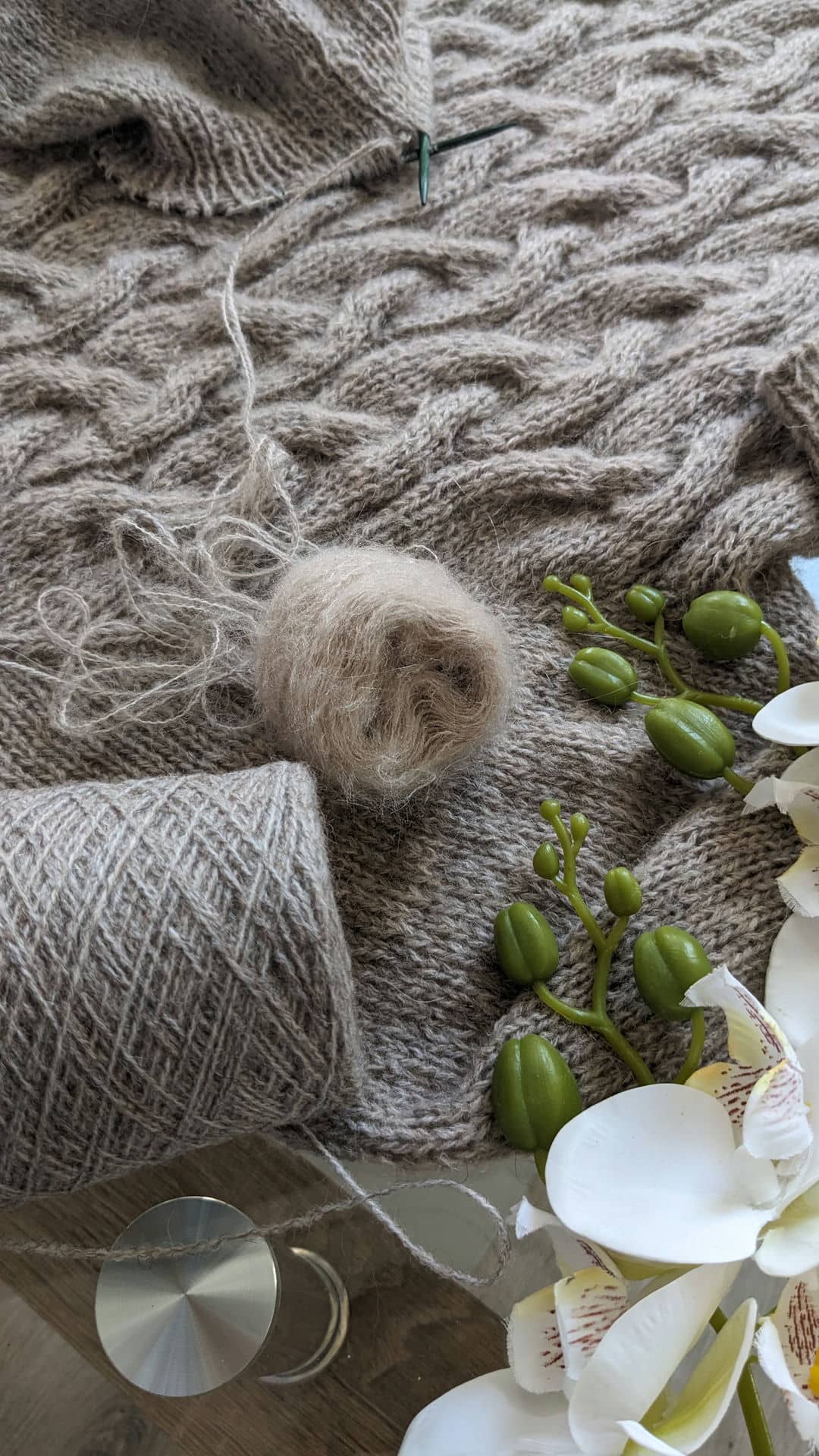
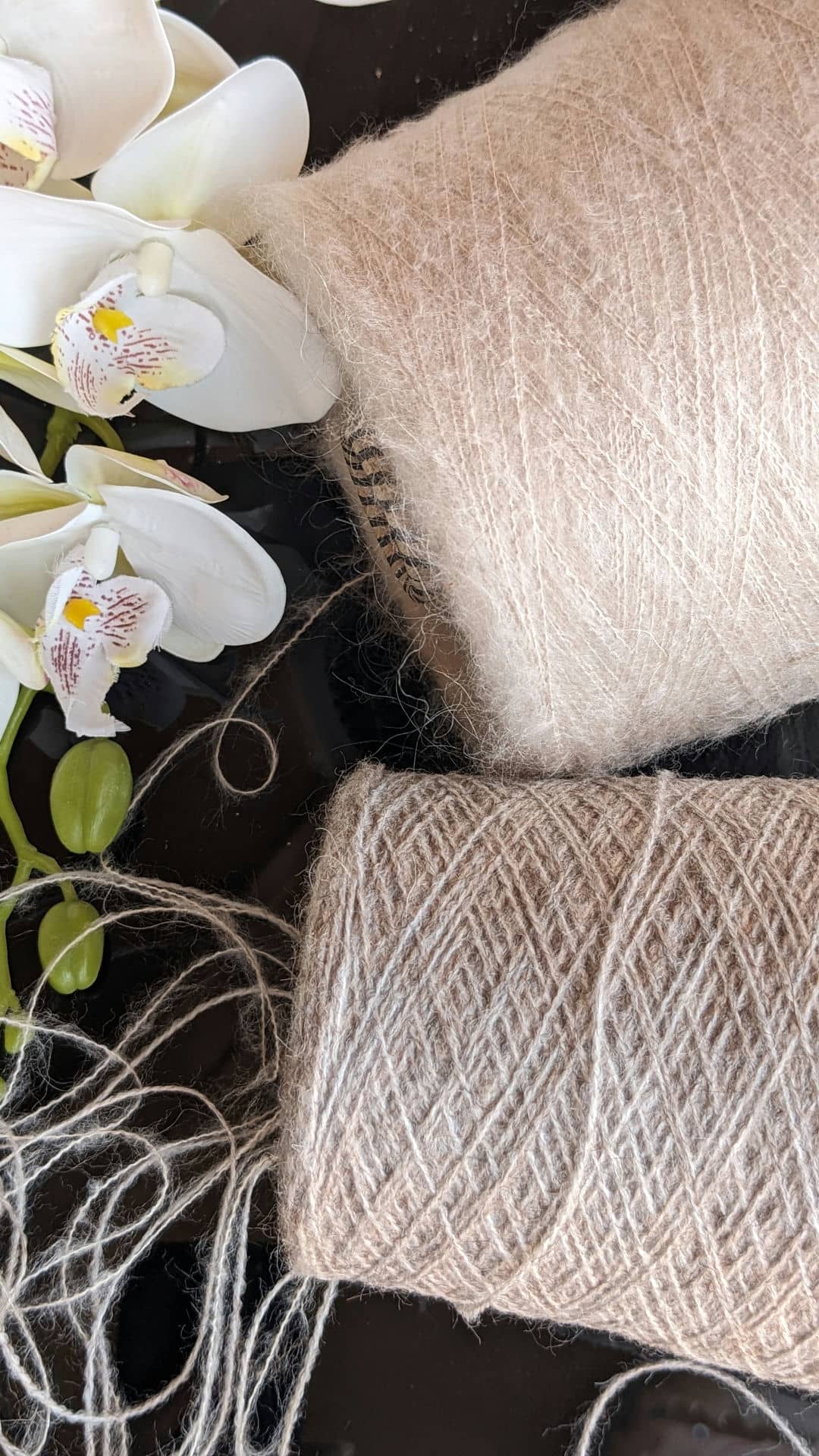
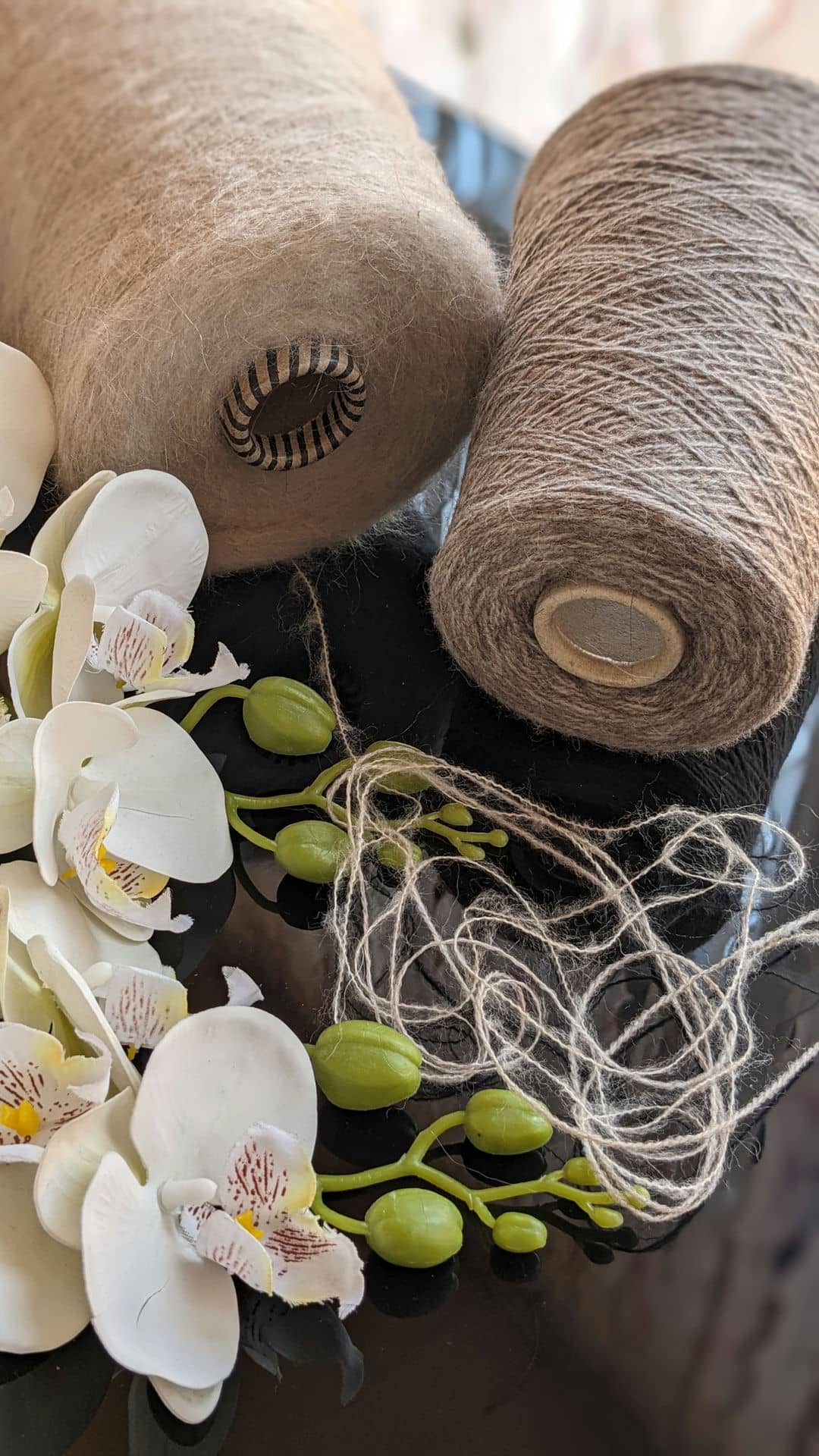
For this design I chose two kinds of cone yarn:

  • kid mohair, article Soft, 900 m/100 g (one strand),
  • half-merino, article Dulcos, 650 m/100 g (one strand).

Held together, the two yarns give a yardage of about 377 m/100 g. You will need 3 mm needles (neckline), 3.5 mm needles (cuffs) and 4 mm needles for the main fabric.

This is a classic top-down raglan sweater with a straight, relaxed silhouette and a low collar. I am knitting size 48–50 (≈ EU 42–44, M–L). The width should be about 55 cm and the length 60 cm.

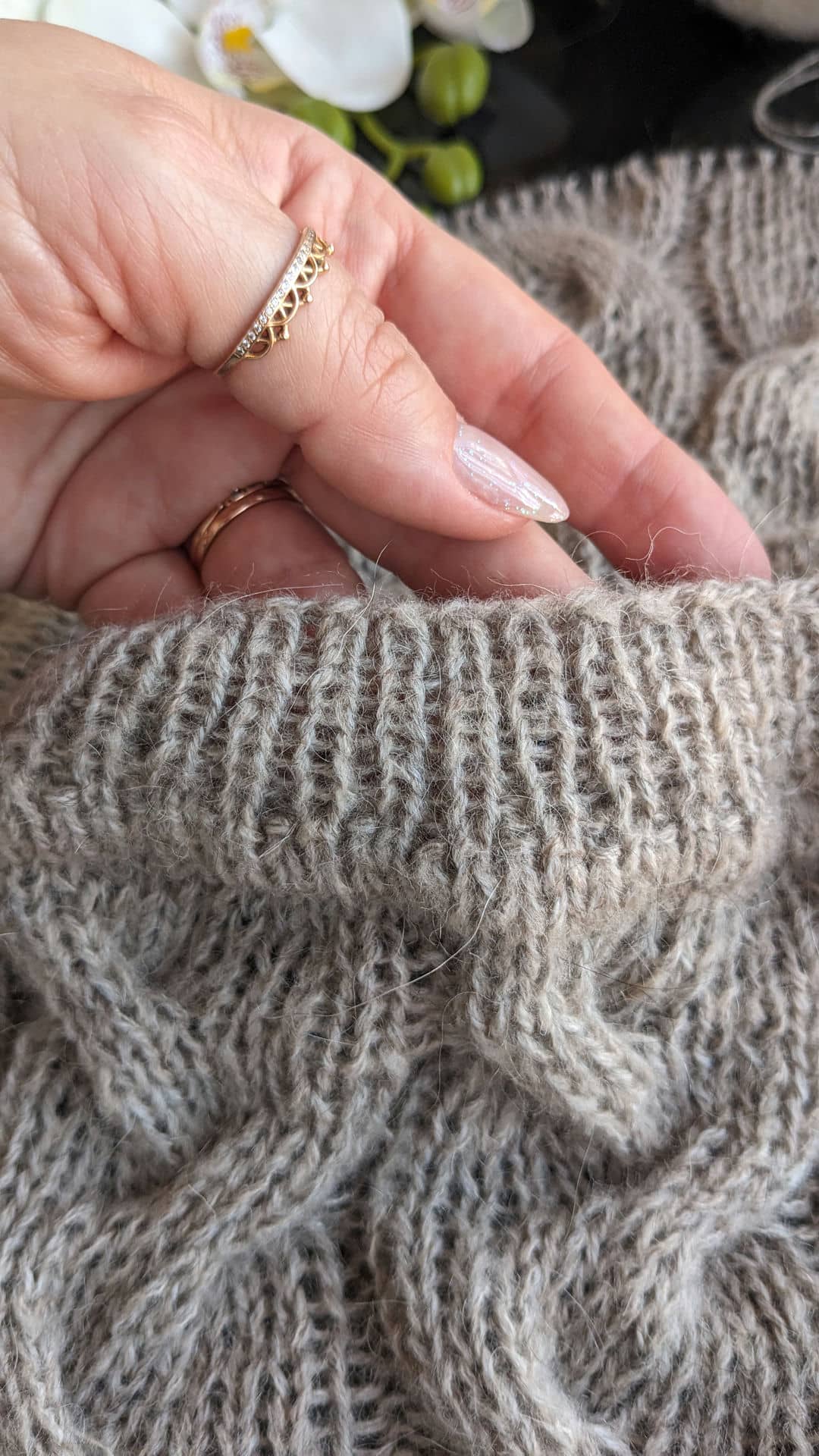
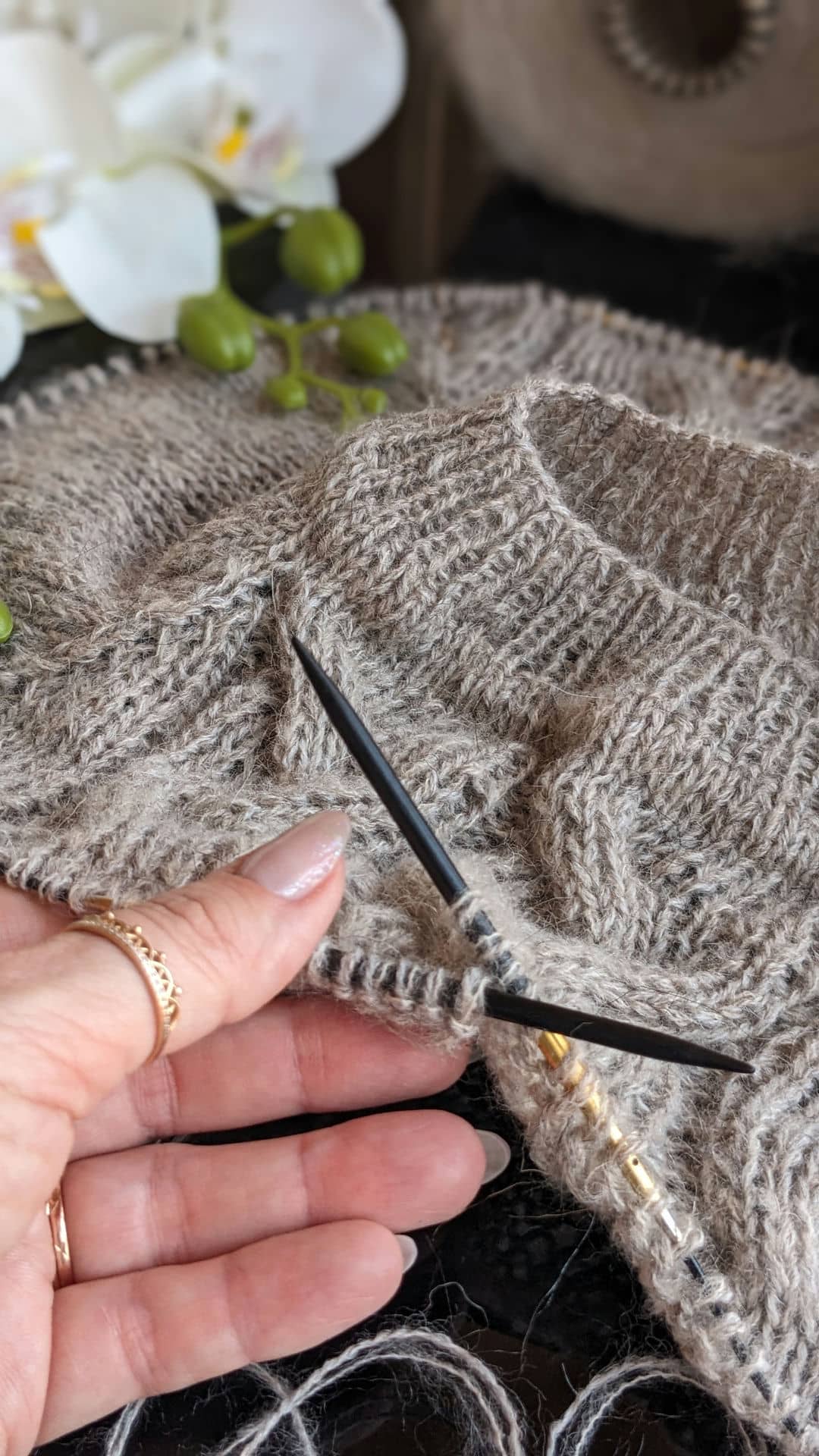
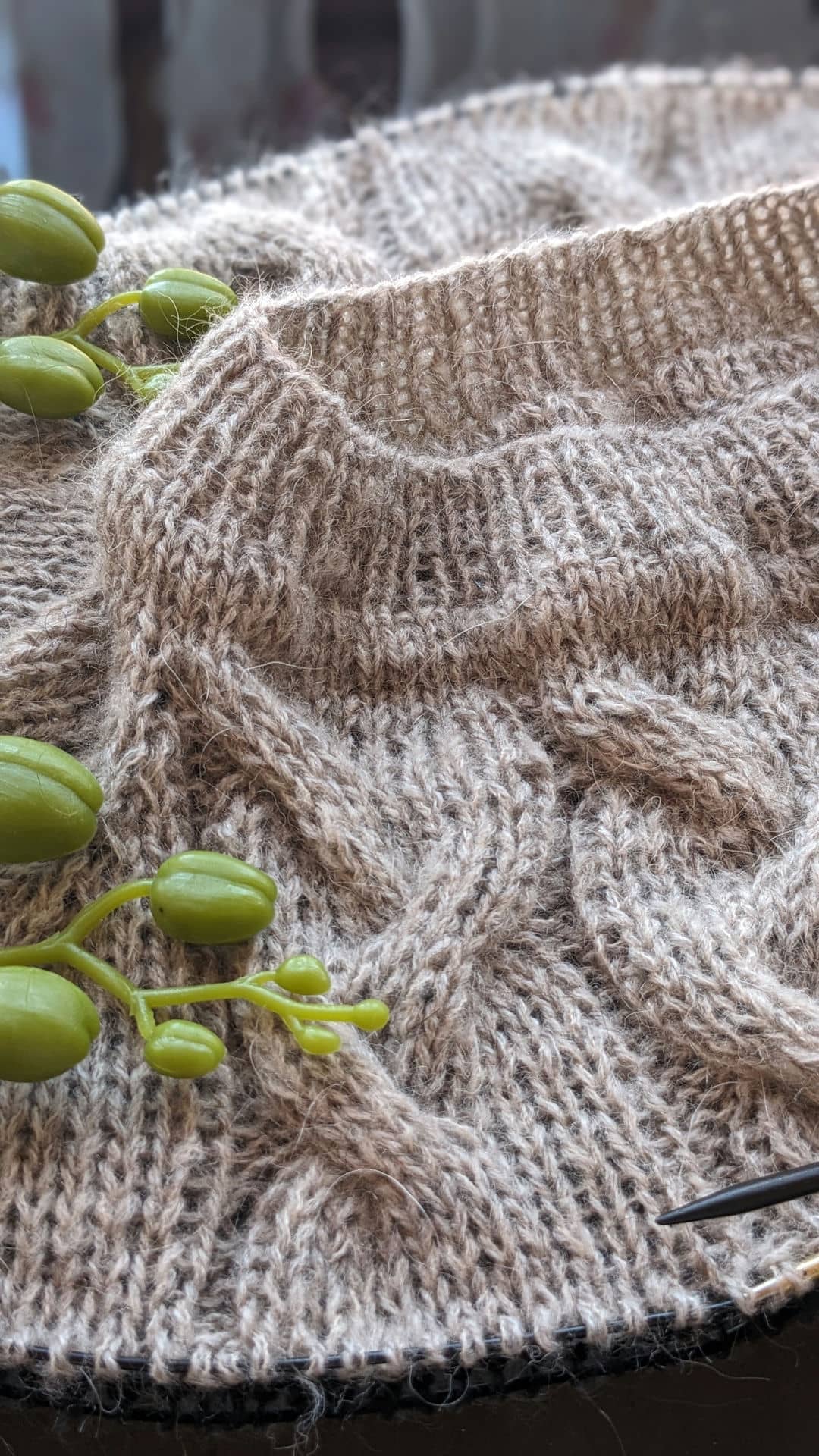
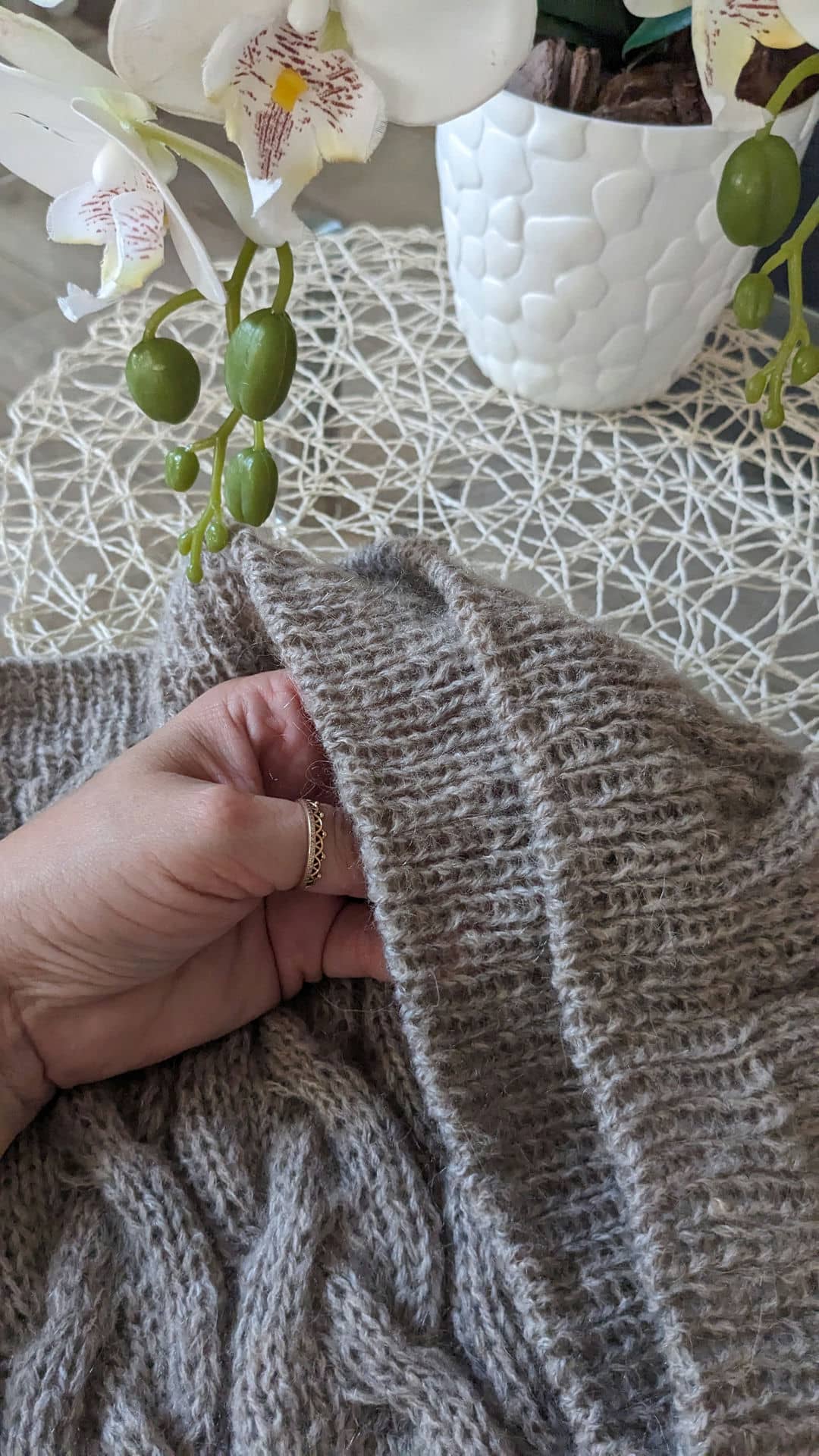
We knit the sweater top-down in one piece, starting at the neckline. On 3 mm needles cast on 90 stitches and work the collar in 1×1 rib with a mock-linked edge.

Neckline (collar):

Rows 1–10: 1×1 rib.

Row 11: knit all the stitches on the needles, and between the stitches make new stitches from the bar (M1) and purl them.

The number of stitches in this row doubles: 90 × 2 = 180 stitches.

Row 12: knit the knit stitch, slip the purl stitch without working it, with the working yarn in front.

Row 13: slip the knit stitch without working it, with the working yarn behind, purl the purl stitch.

Row 14: knit the knit stitch, slip the purl stitch without working it, with the working yarn in front.

Row 15: slip the knit stitch without working it, with the working yarn behind, purl the purl stitch.

Row 16: work each knit and purl stitch pair together as k2tog, all the way around the round. The number of stitches is halved: 180/2 = 90 stitches.

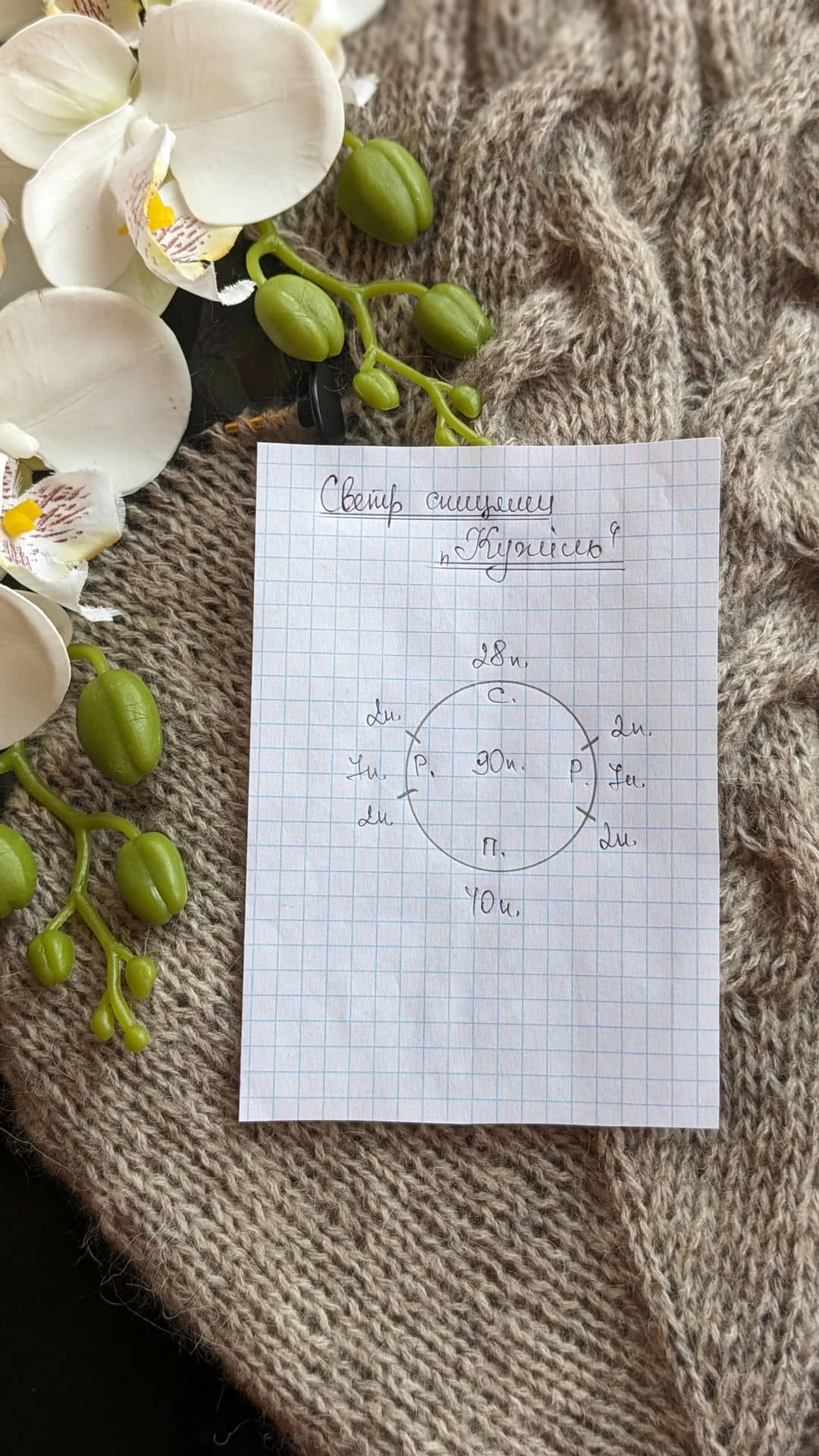
Change to 4 mm needles. After the collar, divide the stitches into sections and mark them with markers:

  • back – 28 stitches,
  • front – 40 stitches,
  • two sleeves – 7 stitches each,
  • four raglan lines – 2 stitches each.

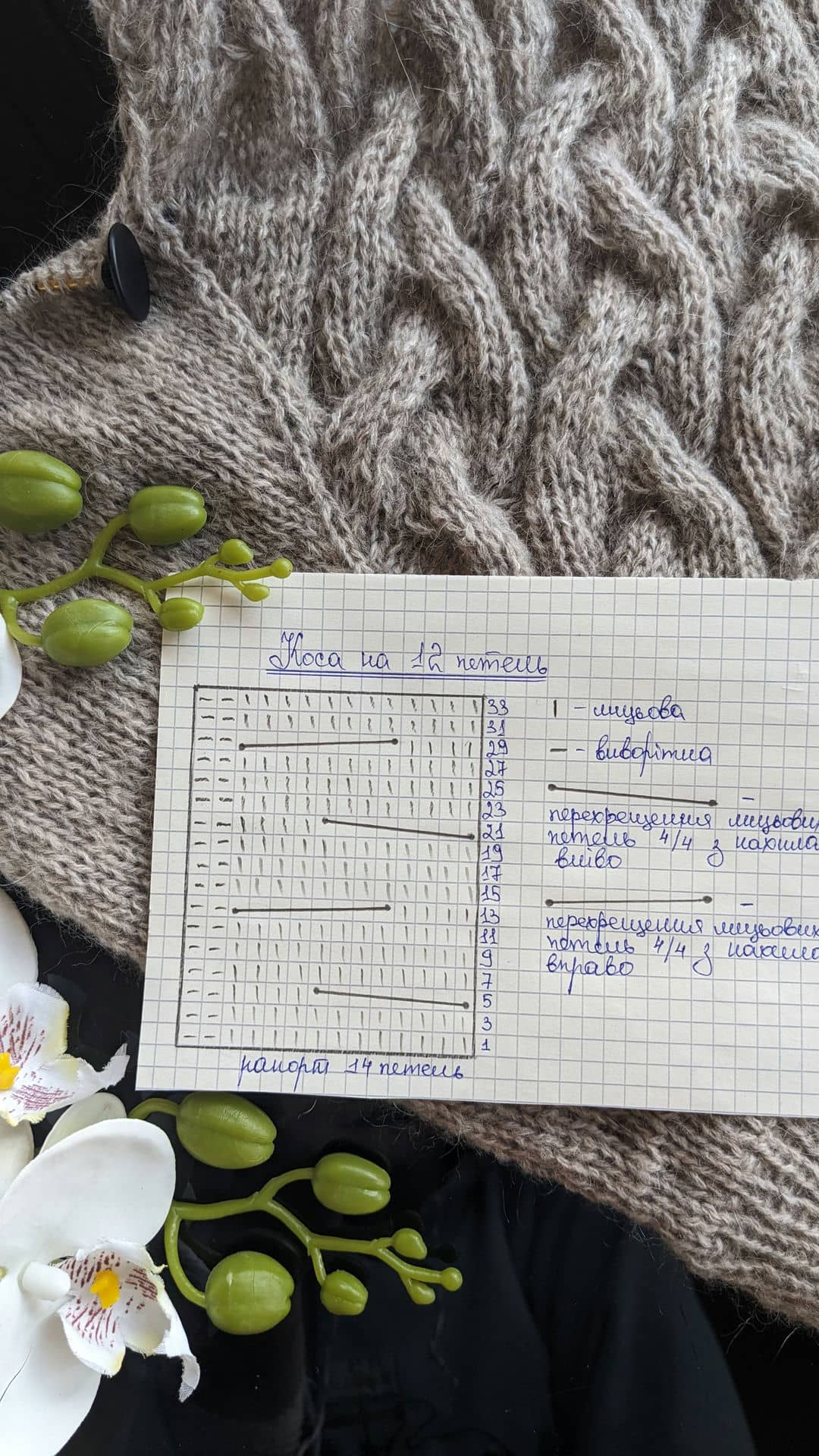
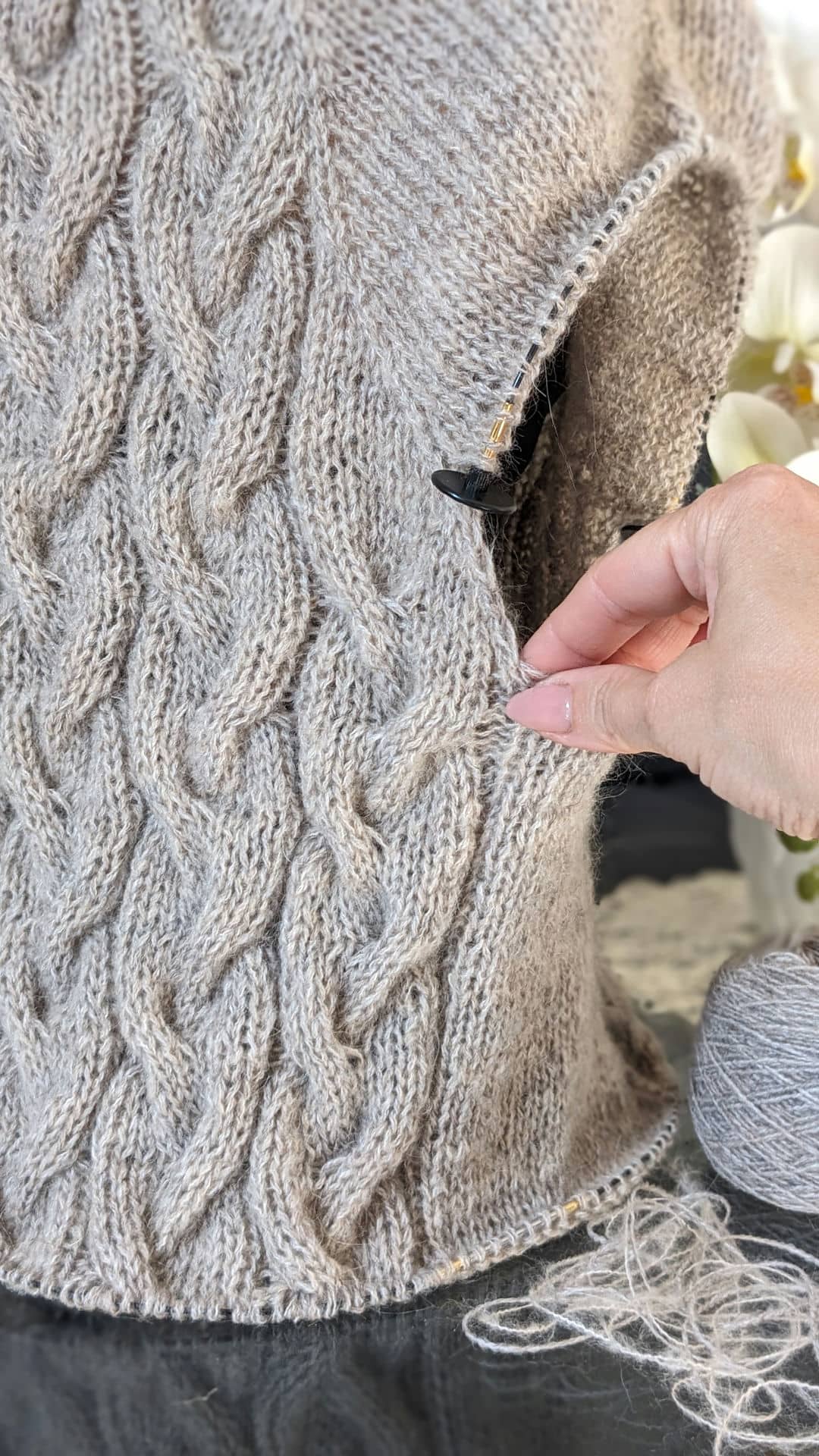
Now begin working the yoke in the round. The main part is voluminous cables (I have added the chart below), and the sleeves are stockinette. Knit the raglan lines (RL) in knit stitches. Work the increases next to the raglan lines on every 2nd round, identically for all sections.

After working 25 cm of yoke (including the height of the collar), the stitch counts at this point are:

  • back – 90 stitches,
  • front – 102 stitches,
  • two sleeves – 63 stitches each,
  • four raglan lines – 2 stitches each.

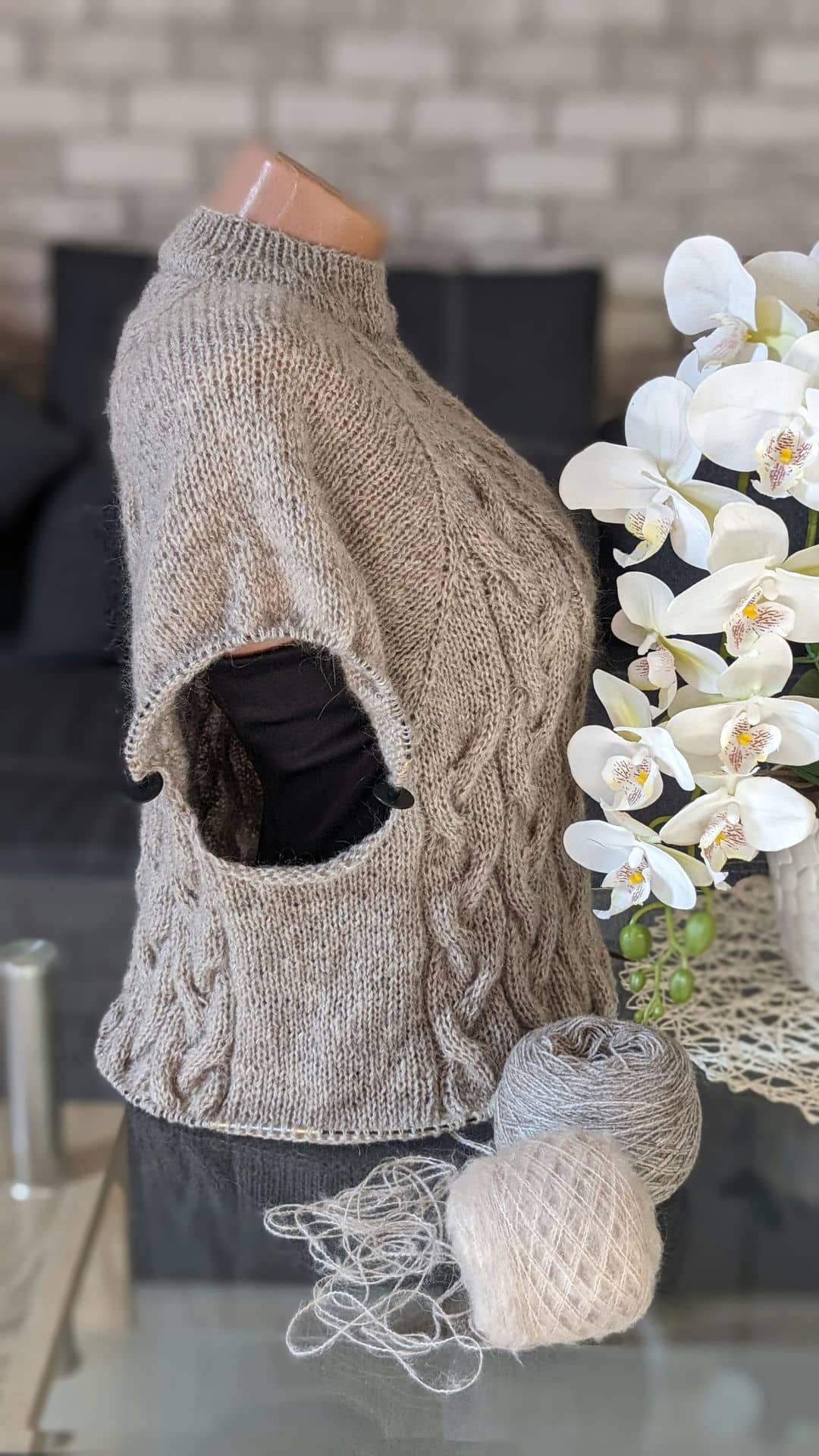
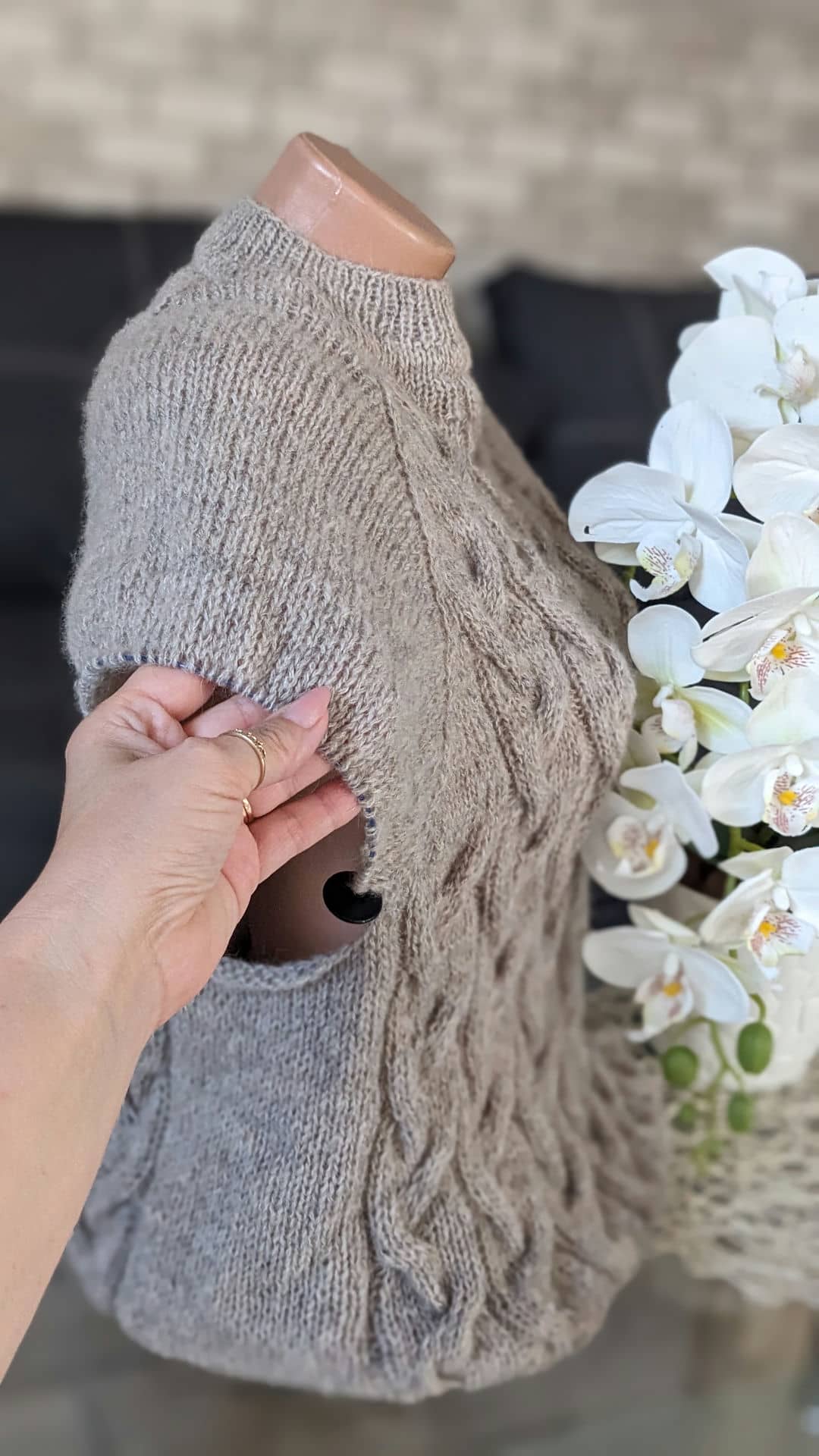
Put the sleeve stitches on waste yarn. The raglan-line stitches go to the body. Now work the Asian-style back raise in short rows over the back stitches plus the raglan-line stitches. On the needles: 2 + 90 + 2 = 94 stitches. 

Next we knit the Asian-style back raise. Its height is 8 rows, about 4 cm. On every knit row, near the edge stitches, keep adding one stitch at each edge with M1 from the bar. I do these increases 5 times: 5 + 94 + 5 = 104 stitches.

Now we continue knitting the main body in the round. Join the back and front stitches and the four raglan lines, and add stitches for the two underarms (15 stitches each).

The total number of body stitches is:

104 (back + RL stitches) + 15 (underarm) + 106 (front + RL stitches) + 15 (underarm) = 240 stitches.

Knit the body to the desired length.  

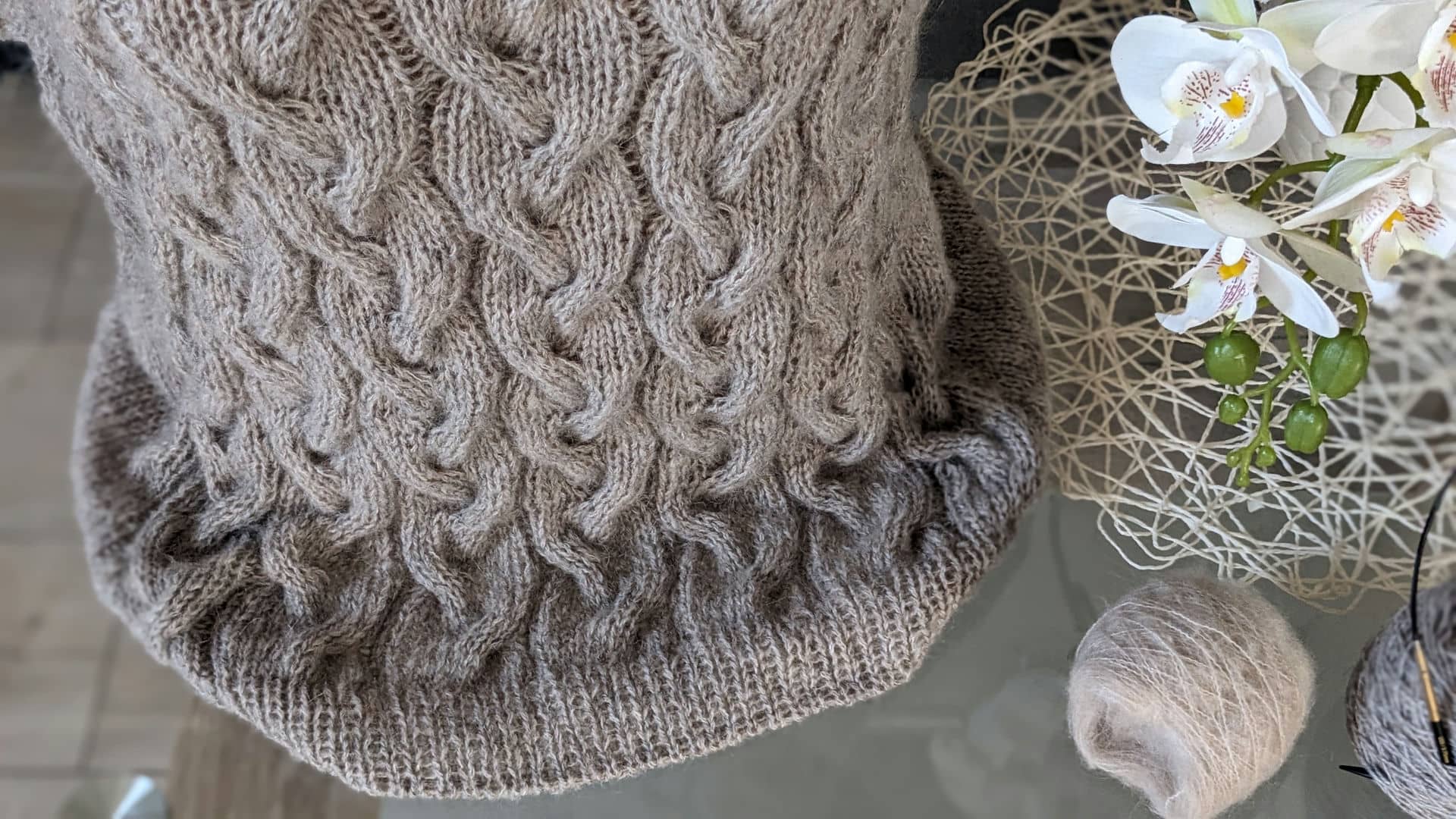
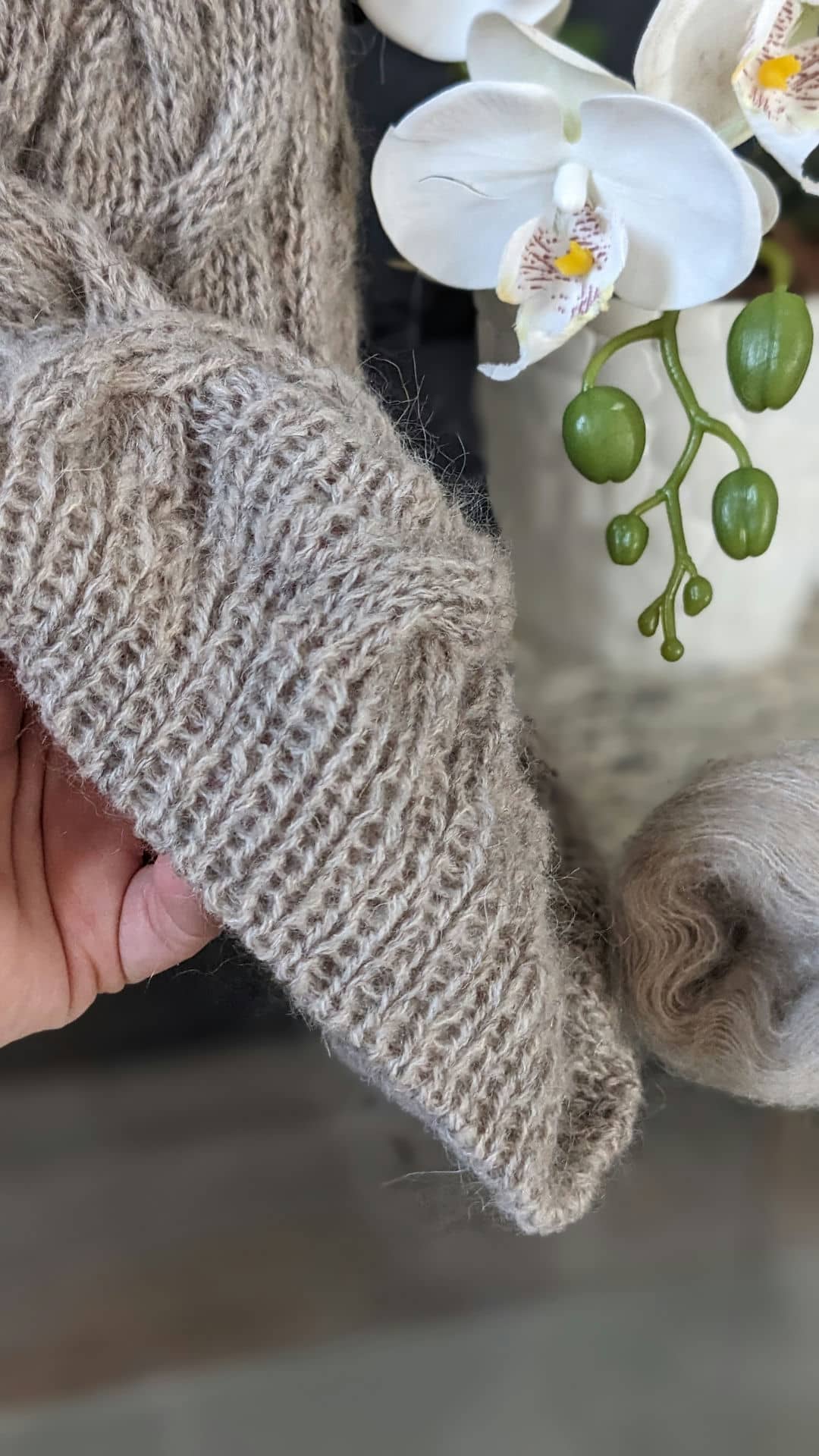
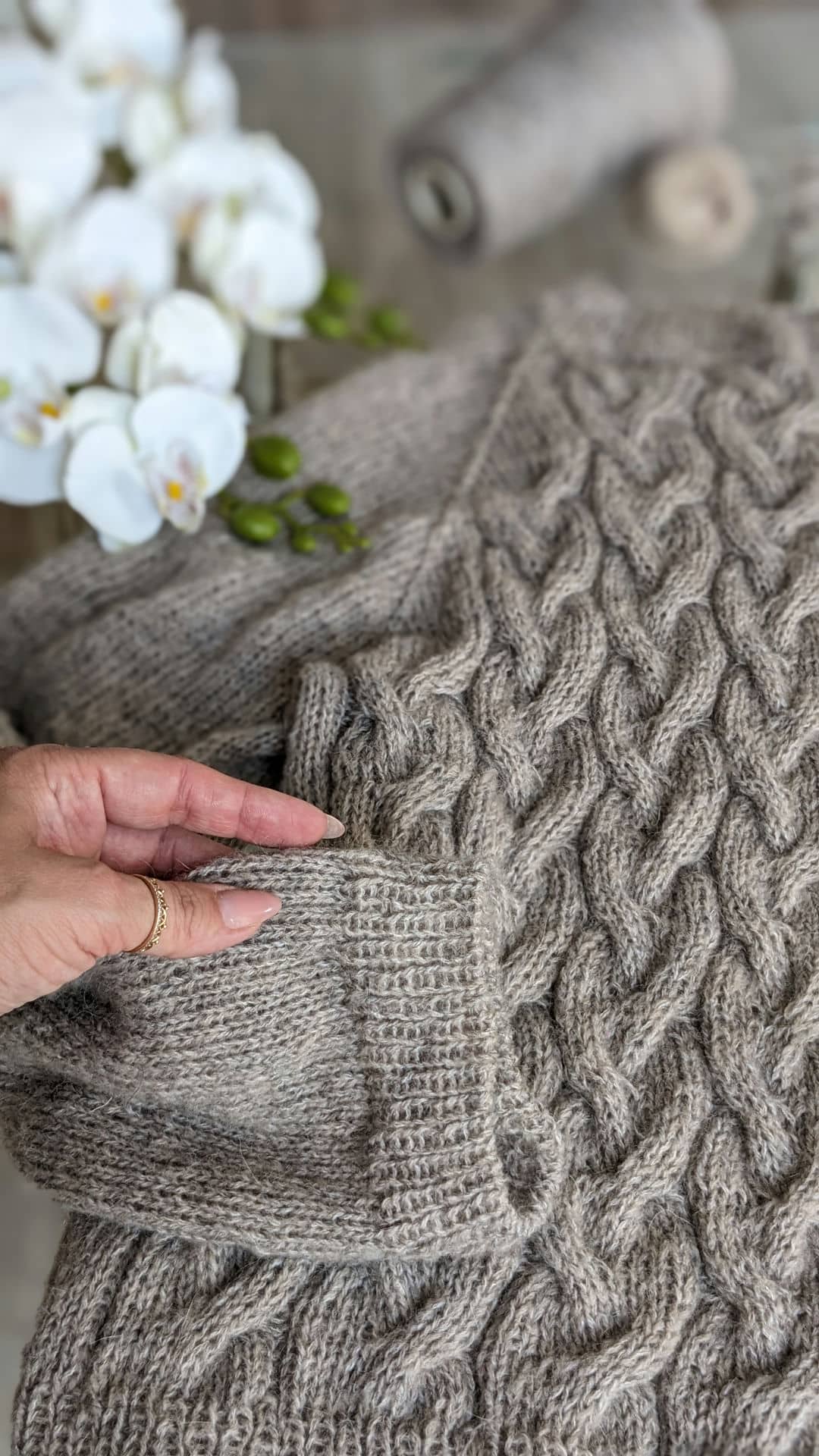
Change to 3.5 mm needles. Work 10 rounds of 1×1 rib at the bottom.

Then 2 rounds of tubular rib:

Round 1: knit the knit stitch, slip the purl stitch without working it, with the working yarn in front.

Round 2: slip the knit stitch without working it, with the working yarn behind, purl the purl stitch.

Bind off with a tapestry needle. The length is 60 cm and the width of the body is 55 cm. Yarn used so far: 190 g.

Next, the sleeves.

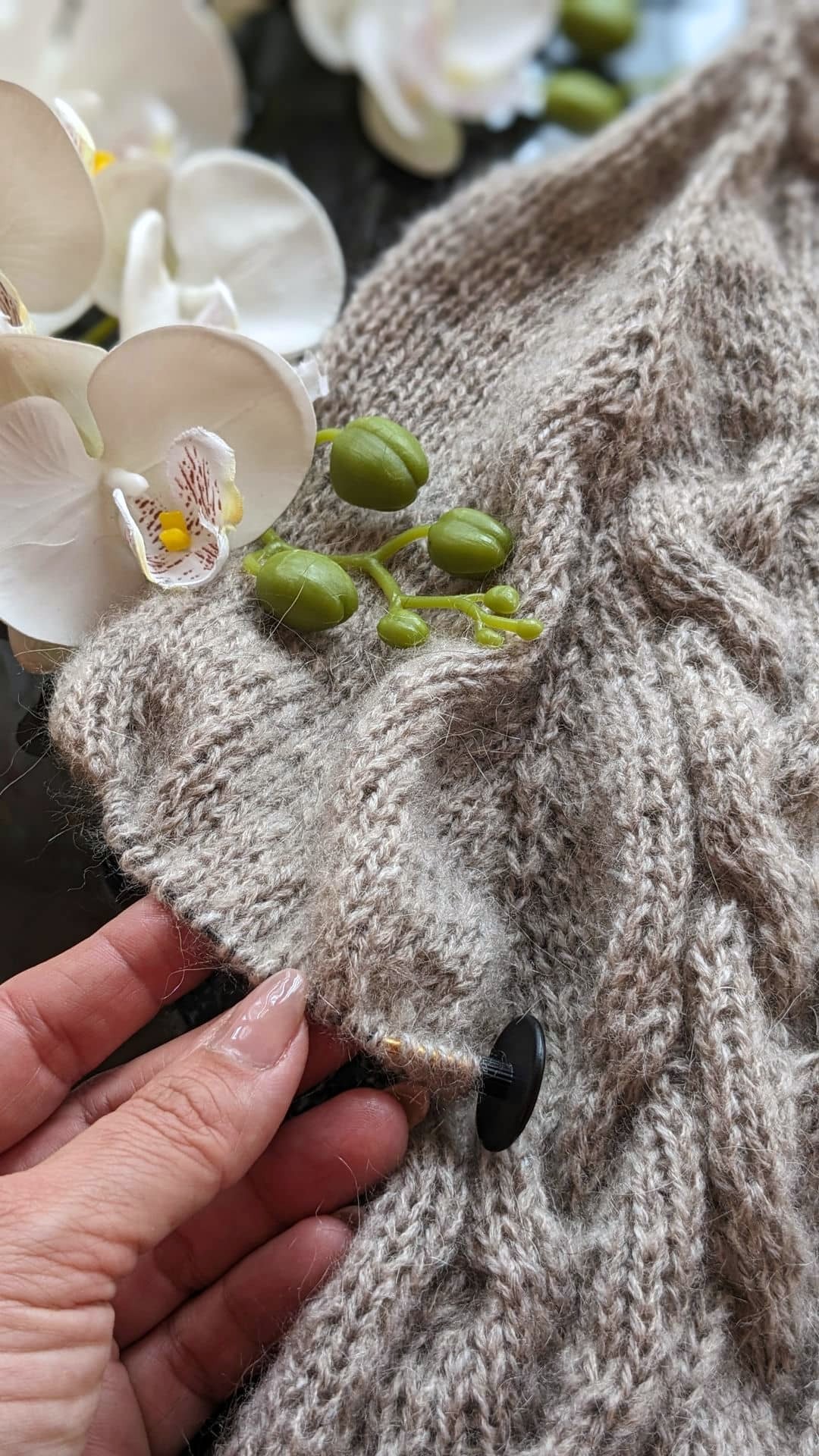
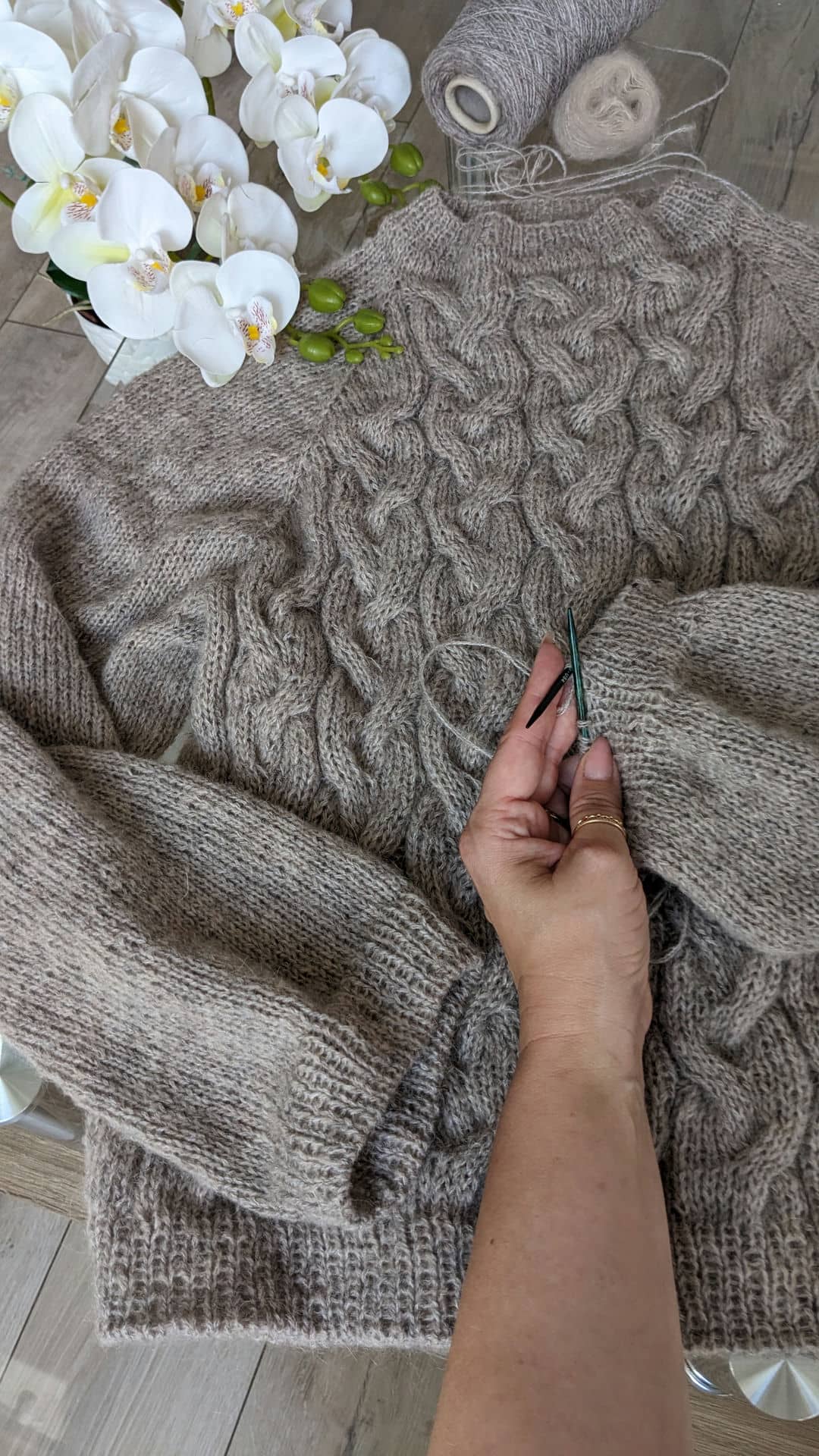
There are 63 stitches for each sleeve on the waste yarn. Pick up additional stitches along the underarm and back raise edge to get the sleeve width you want. I picked up 23 extra stitches for each sleeve. On the needles: 63 + 23 = 86 stitches.

If the total number of stitches turns out larger than you need, decrease the extra stitches gradually as you knit the sleeve (every 4th round at the underarm corners, or in the center of the underside of the sleeve). I decreased to 74 stitches and continued on those.

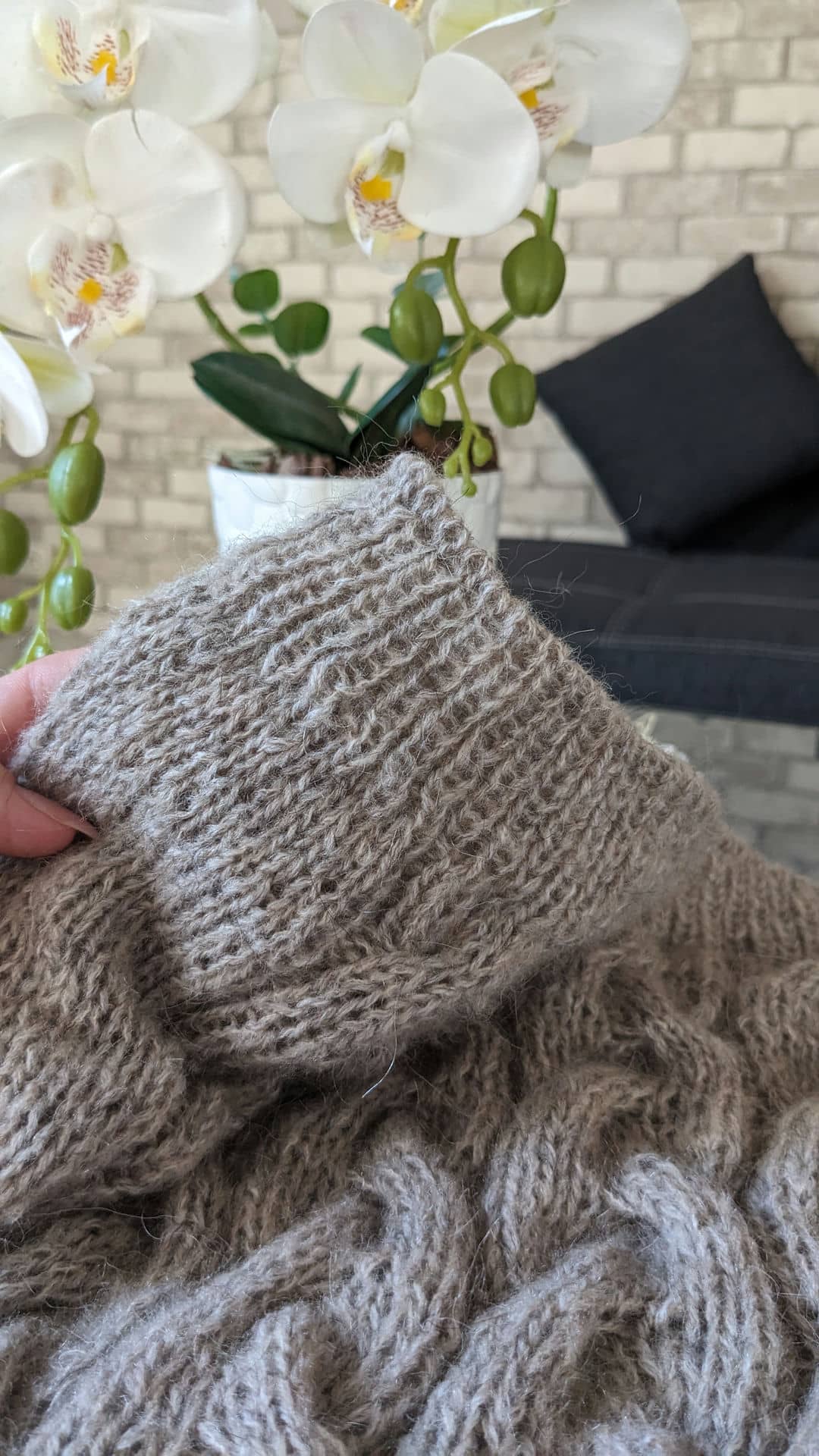
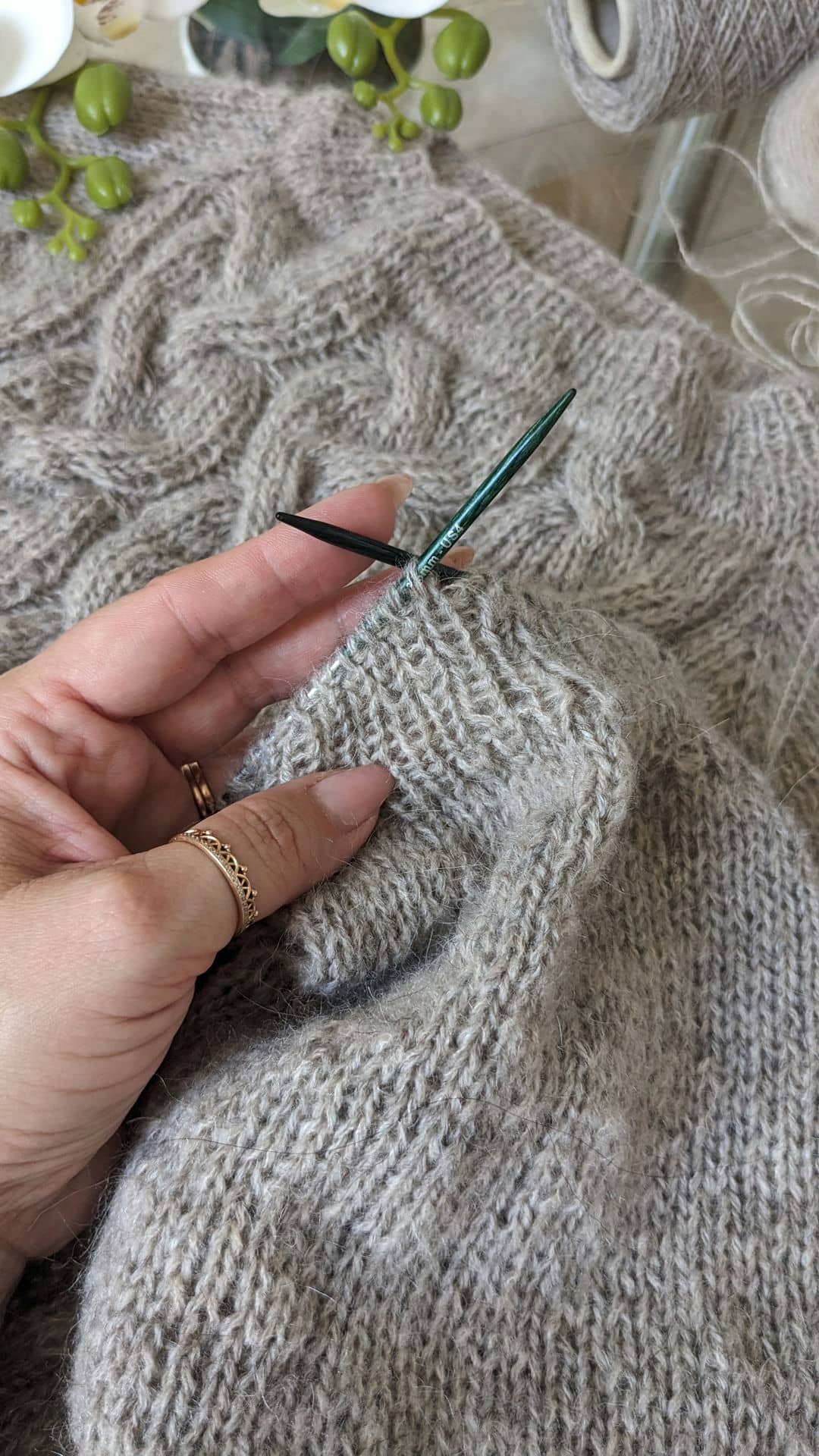
 Knit the sleeves in the round to the desired length. Before the cuff, change to 3.5 mm needles. I work 10 rounds of 1×1 rib and 2 rounds of tubular rib, then bind off with a tapestry needle (video below).

Our piece is finished! Size 48–50, length 60 cm, yarn used 270 g:

  • kid mohair – 110 g,
  • half-merino – 160 g.
Happy knitting, and may your stitches be even! May everything go well for you!